
GST for Online Sellers in India: Registration, TCS, Invoices and Returns Explained

GST confuses many new sellers because the rules depend on what you sell, where you sell it and how much you earn. This guide explains the main building blocks in plain language so you can ask your accountant the right questions. It does not give thresholds or rates that may be outdated; the official portal is the place to confirm those.
Key takeaways
- Selling through a marketplace usually triggers GST registration, with some exemptions.
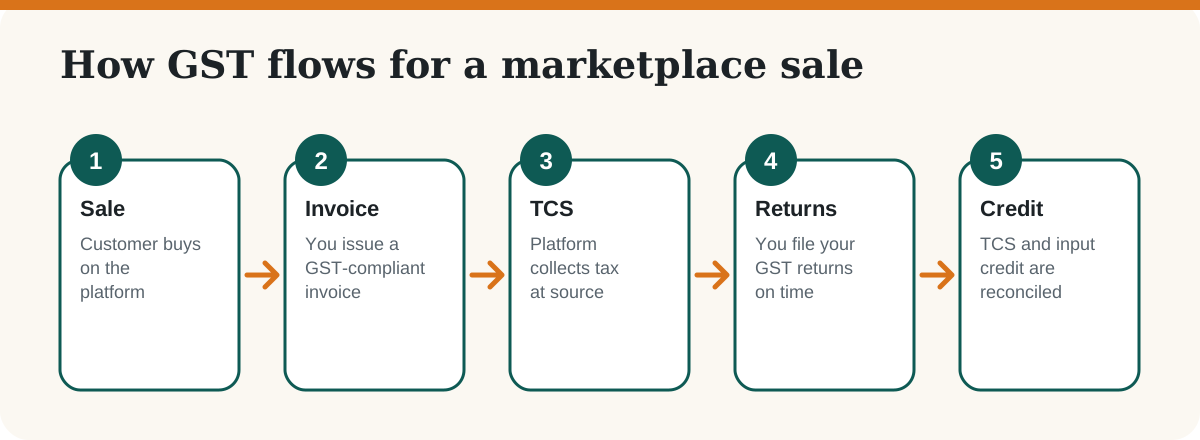
- The marketplace may deduct tax collected at source (TCS) and report it in your GST records.
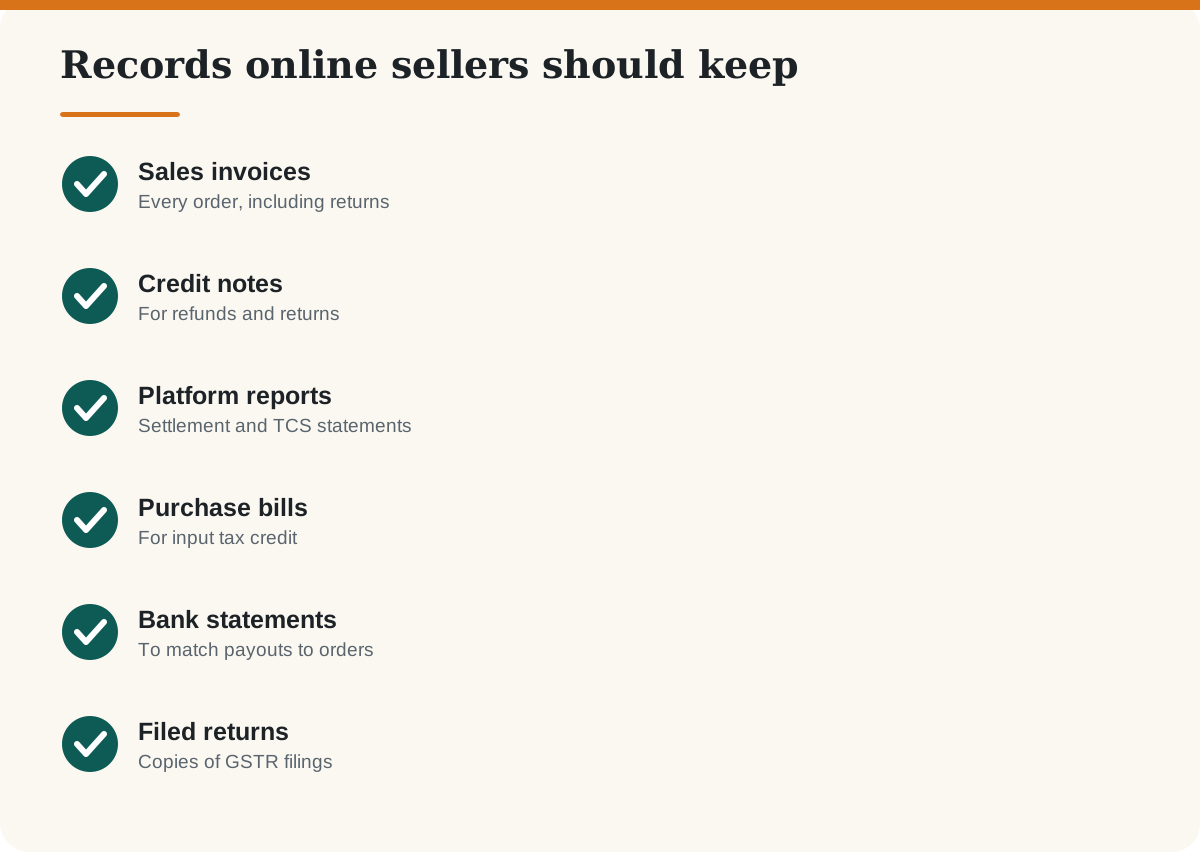
- Keep invoices, return and refund records, and bank statements organised.
- Use accounting software built for GST. See our GST-ready accounting software guide.
Do online sellers need GST registration?
Often yes. Section 24 of the CGST Act requires compulsory registration for persons who supply through e-commerce operators who must collect tax at source, subject to notified exceptions. Sellers on their own websites are generally governed by the usual turnover thresholds, which differ for goods and services and by state category. Because thresholds and exemptions have been revised over time, verify the current position on the GST portal or with a professional before you decide not to register.
What is TCS on e-commerce sales?
Under GST, e-commerce operators must collect a percentage of the net taxable value of supplies made through their platform and deposit it with the government. The seller can see these amounts in their GST records and use them when paying their tax liability. The rate has been revised in the past, so check the current rate and treatment on the official portal. Separate income tax provisions may also apply to payments by operators; ask your accountant.
What should a GST invoice include?
- Your name, address and GSTIN, and the invoice number and date.
- The customer’s details as required.
- Description of goods or services, HSN or SAC code, quantity and value.
- Tax split into CGST and SGST, or IGST, based on the place of supply.
- Total amount, with any discounts shown properly.
Software normally prepares this, but check one sample invoice with your accountant.
Can online sellers use the composition scheme?
The composition scheme is a simplified option for small taxpayers, but it has conditions, and sellers who supply goods through operators that must collect TCS are generally not eligible. Eligibility rules vary, so confirm before you choose it.
Related reading: how to start an online store in India and how to sell on Amazon India.
Frequently asked questions
Is GST registration mandatory for Amazon or Flipkart sellers?
Generally yes for suppliers through e-commerce operators who collect TCS, subject to notified exemptions. Confirm on the GST portal or with a chartered accountant.
What is TCS under GST?
Tax collected at source: e-commerce operators collect a percentage of the net taxable value of supplies made through them and deposit it with the government.
Do I need GST to sell on my own website?
The usual turnover thresholds and rules apply, which differ for goods and services. Check the current limits on the official portal.
How often do I file GST returns?
It depends on your registration type and turnover. Regular taxpayers file periodic returns. Your accountant or software will show the due dates.
What happens to GST when a customer returns a product?
You usually issue a credit note and adjust the tax in your returns. Keep return records and platform reports.
Should I hire a chartered accountant?
Yes, at least for setup and periodic checks. GST rules are detailed and penalties for mistakes can be costly.
Sources
Last checked: October 2026. This is general information, not tax or legal advice. Thresholds, rates and exemptions change; confirm with official notifications and a chartered accountant.