
Food Recipes Blog: Indian Veg, Non-Veg, Breakfast, Snacks & Fasting Recipes
BlogShog's Food section is a collection of home-cooking recipes, mostly Indian, organised by meal and diet: 5-minute recipes, vegetarian, non-vegetarian, lunch and dinner, breakfast, snacks and fasting (vrat) recipes. Regional Indian cuisines — North, South and Western — have their own pages under Indian Cuisine.
Each recipe lists ingredients with quantities and gives numbered steps, and is written for an ordinary home kitchen with ingredients available at an Indian grocery. Recipes are contributed by home cooks including Pooja Jamdar, Rajshri Saxena and Deepti Tipke, and every recipe shows its author. Most recipes also have a video and a Hindi version.
 Sweets & DessertsHow to Make Easy Christmas Theme Cakes Recipe: Beginner-Friendly Recipe & Design Tips9 min read
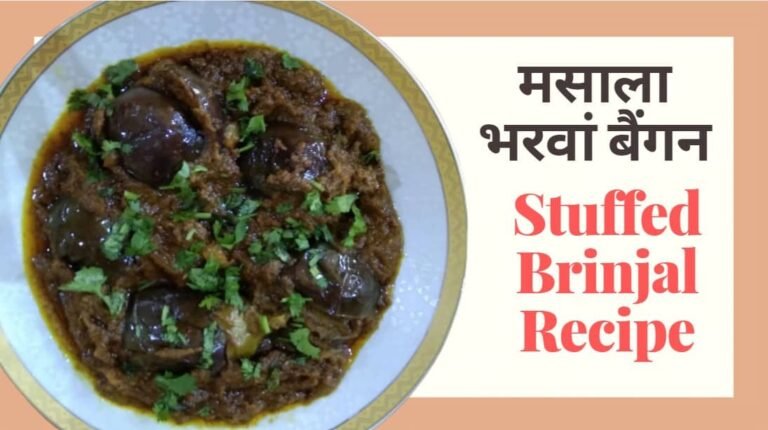 Indian Cuisine RecipesMasala Bharwa Baingan Recipe | Stuffed Brinjal Recipe3 min read
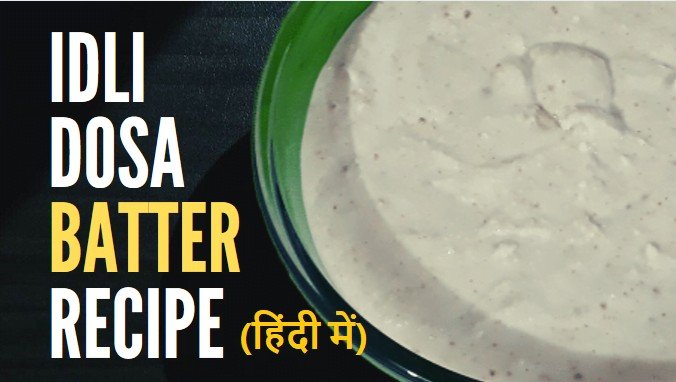 Breakfast RecipesHow to make Idli Dosa Batter (with Tips) | Perfect Idli Dosa Batter Recipe4 min read
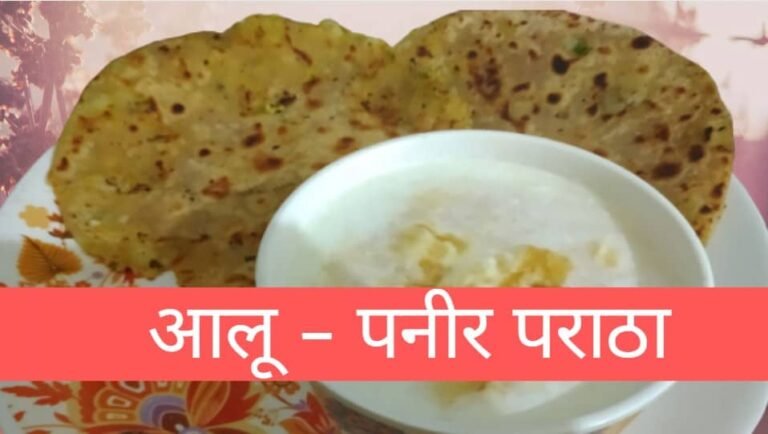 Breakfast RecipesStuffed Aloo Paneer Paratha Recipe | Punjabi Dhaba Style Recipe4 min read
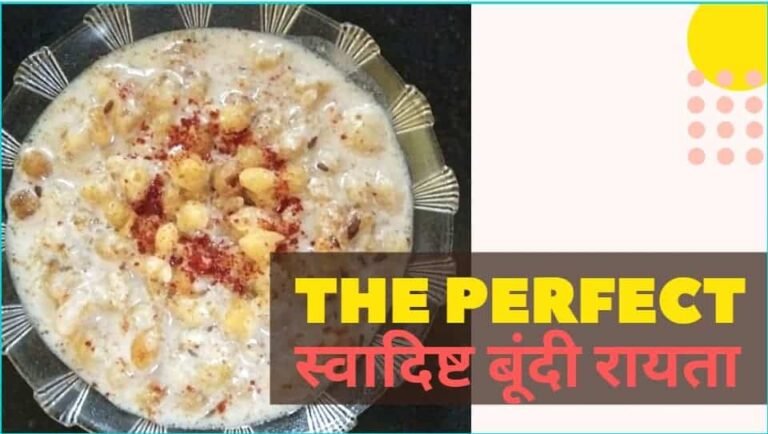 Chutney & RaitaChatpata Dahi Boondi Raita Recipe4 min read
 Recipe collections
Start from the kind of meal you want to cook.

5-Minute Recipes: Quick Snacks, Drinks & Instant Meals
Dishes you can make in around five minutes with no special equipment: quick chutneys and raitas, instant snacks, refreshing drinks and light bites for busy mornings or late evenings.
 Lunch & Dinner RecipesDelicious Tomato Soup Recipe | Easy and Quick Tomato Soup Recipe by Pooja Jamdar4 min read
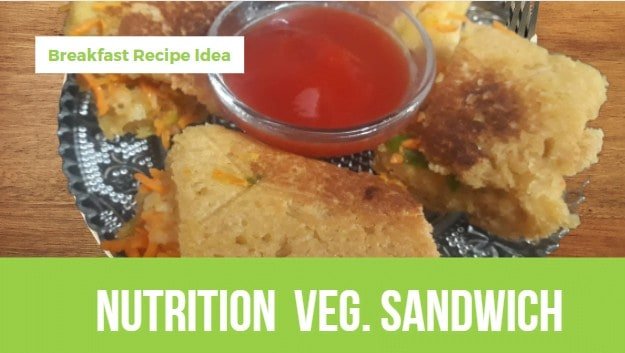 5-Minute RecipesVeg Sandwich Recipe | How to make Nutritious Veg Sandwich for Kids in 5 Minutes3 min read
 5-Minute RecipesIndian herbal tea recipes | How to Make Tasty Tea (Chai) in 5 Minutes | Indian Chai Recipe3 min read
 5-Minute RecipesPotato Bites Recipe | Crispy & Tasty Potato Bites3 min read
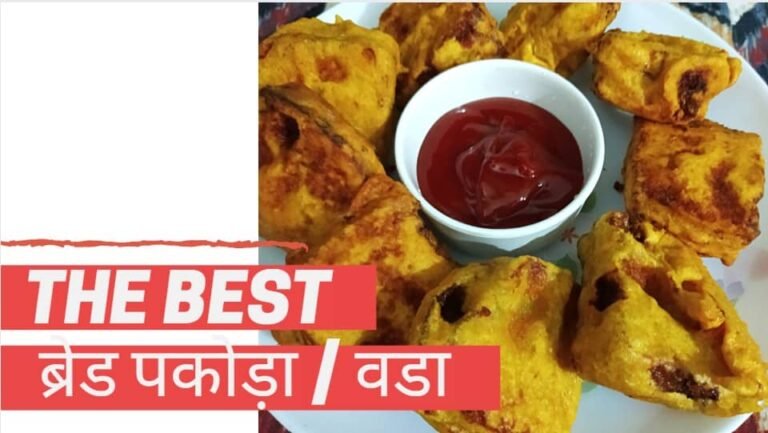 5-Minute RecipesBread Pakora Recipe | Bread Wada | How to make Bread Pakora | Recipe by Pooja Jamdar6 min read
 5-Minute RecipesEgg Bhurji Recipe | How To Make Dhaba Style Anda Bhurji | Recipe by Pooja Jamdar4 min read
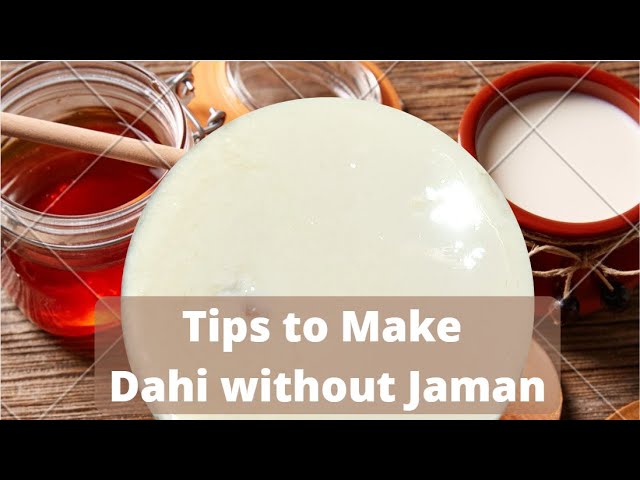 Western Indian RecipesMake Dahi without Dahi Jaman | Yogurt without Yogurt culture | Prepare Curd Without Jaman by Rajashri Saxena4 min read
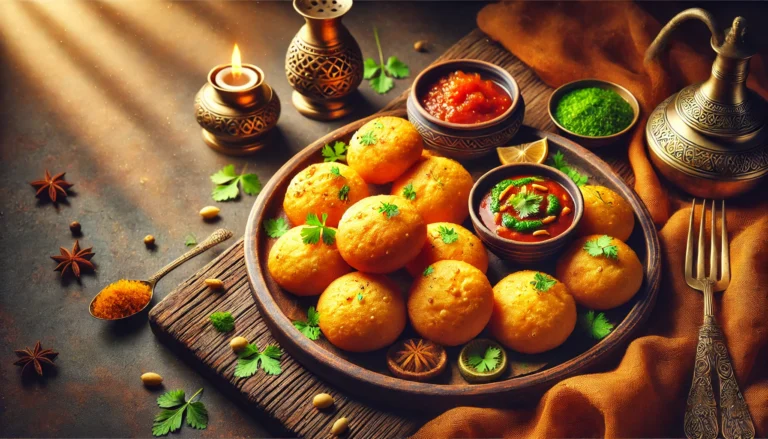 5-Minute RecipesAloo ki Kachori Recipe | Potato Masala Stuffed Kachori7 min read
Vegetarian Recipes: Curries, Sabzis & Everyday Veg Dishes
The largest section on the site: paneer and vegetable curries, dry sabzis, dals, stuffed vegetables like bharwa baingan, and regional vegetarian dishes from across India. Most are suitable for a daily thali.
Indian Cuisine RecipesMasala Bharwa Baingan Recipe | Stuffed Brinjal Recipe3 min readBreakfast RecipesHow to make Idli Dosa Batter (with Tips) | Perfect Idli Dosa Batter Recipe4 min readBreakfast RecipesStuffed Aloo Paneer Paratha Recipe | Punjabi Dhaba Style Recipe4 min readChutney & RaitaChatpata Dahi Boondi Raita Recipe4 min read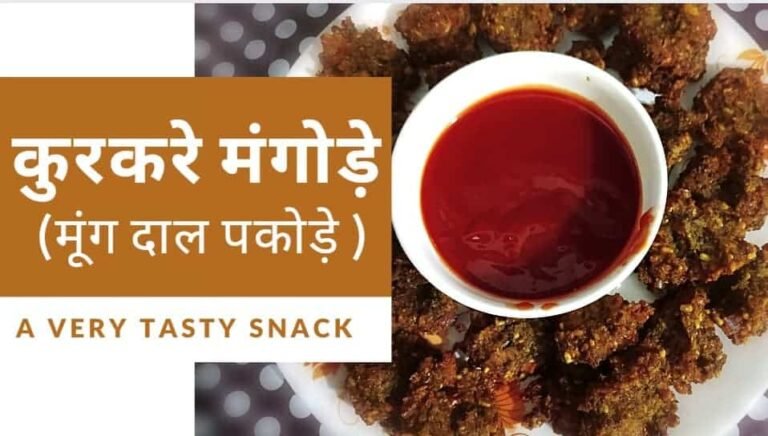 Indian Cuisine RecipesYummy Snack – Mangode Recipe | Moong Dal Pakode Recipe |3 min read
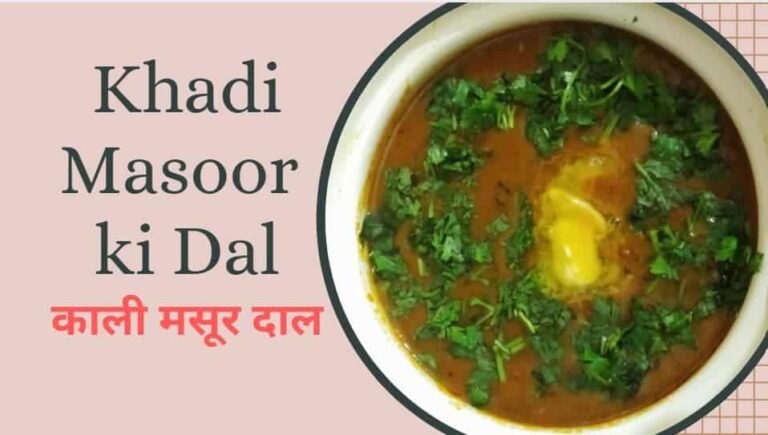 Indian Cuisine RecipesAromatic & Flavorful Khadi Masoor Dal Recipe | A Hearty & Protein-Rich Delight! 🍛✨5 min read
 Indian Cuisine RecipesSoyabean Masala | Soya Matar Masala Sabzi Recipe6 min read
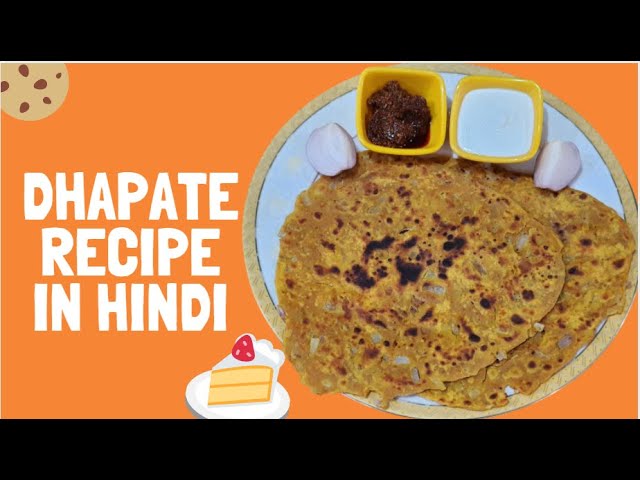 Breakfast RecipesDhapate Recipe | Maharashtrian Thalipeeth5 min read
Non-Vegetarian Recipes: Chicken, Mutton, Egg & Seafood
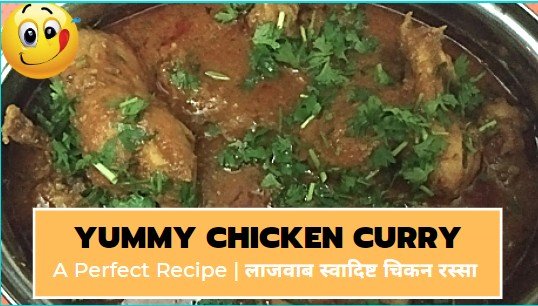
Chicken curry, dhaba-style egg curry and bhurji, mutton dishes and seafood, with the spices and cooking times given for each dish. Chicken recipes include safe-handling and doneness notes.
Lunch & Dinner: Complete Meals for Weekdays and Family Gatherings
Main-course dishes and one-pot meals: rice dishes, rotis and their accompaniments, and heavier curries that hold up as leftovers for the next day's tiffin.
Indian Cuisine RecipesMasala Bharwa Baingan Recipe | Stuffed Brinjal Recipe3 min readBreakfast RecipesStuffed Aloo Paneer Paratha Recipe | Punjabi Dhaba Style Recipe4 min readChutney & RaitaChatpata Dahi Boondi Raita Recipe4 min readIndian Cuisine RecipesAromatic & Flavorful Khadi Masoor Dal Recipe | A Hearty & Protein-Rich Delight! 🍛✨5 min readIndian Cuisine RecipesSoyabean Masala | Soya Matar Masala Sabzi Recipe6 min readBreakfast RecipesDhapate Recipe | Maharashtrian Thalipeeth5 min read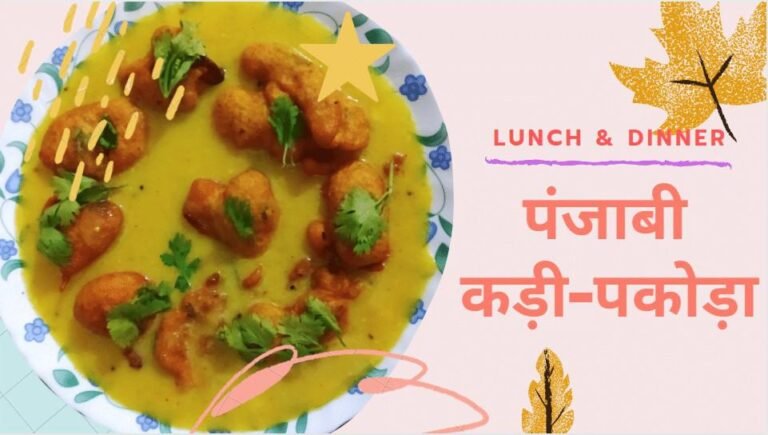 Indian Cuisine RecipesHow to make Kadhi Pakora | Kadhi Pakora Recipe4 min read
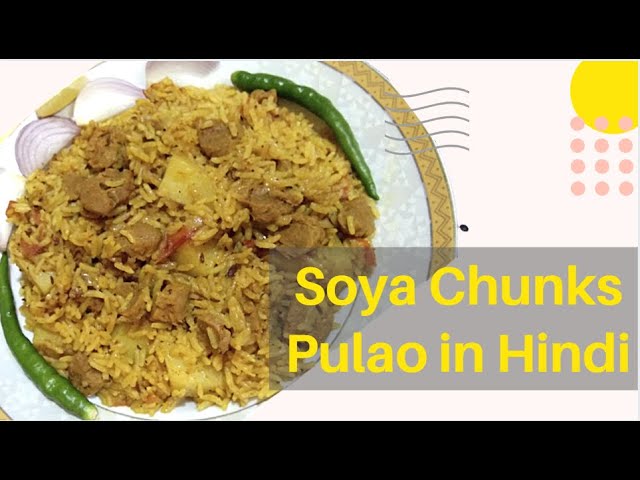 Indian Cuisine RecipesSoya Chunks Pulao Recipe | Soyabean Pulao Recipe | Recipe by Deepti Tipke4 min read
Breakfast Recipes: Indian Mornings, Healthy Options & Quick Fixes
Poha, upma, parathas, idli and dosa, along with lighter options for people watching what they eat, and a few Western breakfasts for variety.
Breakfast RecipesHow to make Idli Dosa Batter (with Tips) | Perfect Idli Dosa Batter Recipe4 min readBreakfast RecipesStuffed Aloo Paneer Paratha Recipe | Punjabi Dhaba Style Recipe4 min readBreakfast RecipesDhapate Recipe | Maharashtrian Thalipeeth5 min read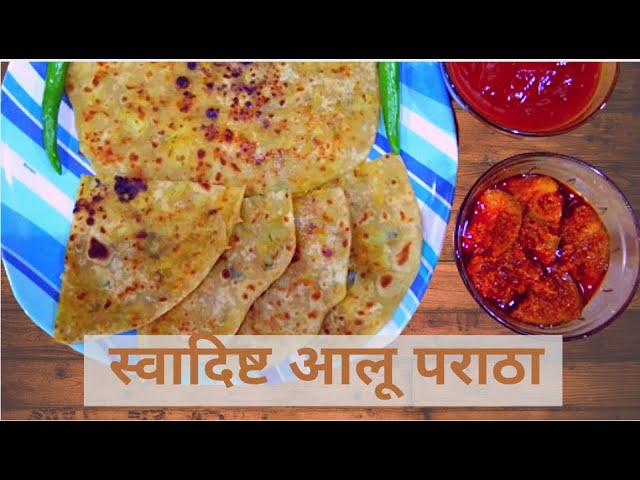 Breakfast RecipesAloo Paratha Recipe | Dhaba Style Aloo Paratha by Deepti Tipke4 min read
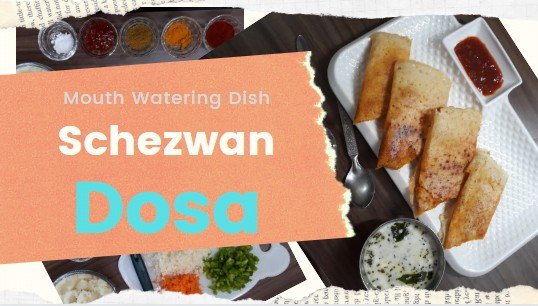 Breakfast RecipesHow to Make Schezwan Dosa | Perfect Schezwan Dosa Recipe4 min read5-Minute RecipesVeg Sandwich Recipe | How to make Nutritious Veg Sandwich for Kids in 5 Minutes3 min read5-Minute RecipesIndian herbal tea recipes | How to Make Tasty Tea (Chai) in 5 Minutes | Indian Chai Recipe3 min read
 Breakfast RecipesSweet Appe Recipe | Wheat Flour Appe Recipe5 min read
Snacks: Evening Bites, Party Starters & Tea-Time Favourites
Samosas, chaats, pakoras and other fried and baked snacks, plus starters that work for guests.
Breakfast RecipesStuffed Aloo Paneer Paratha Recipe | Punjabi Dhaba Style Recipe4 min readIndian Cuisine RecipesYummy Snack – Mangode Recipe | Moong Dal Pakode Recipe |3 min read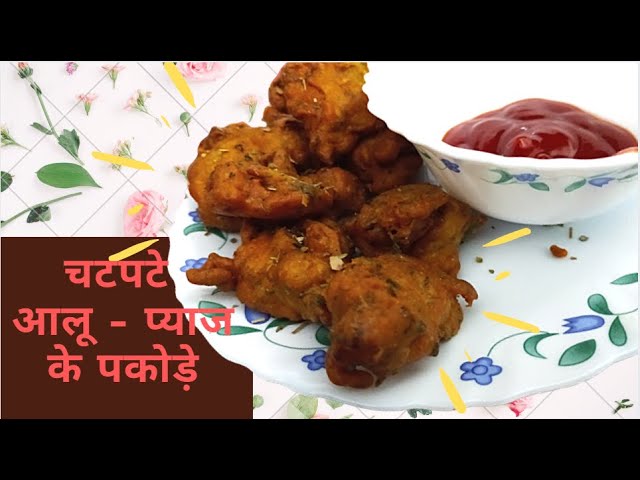 Indian Cuisine RecipesAloo Pyaz ke Pakode Recipe | Onion and Potato Pakoda Recipe6 min read
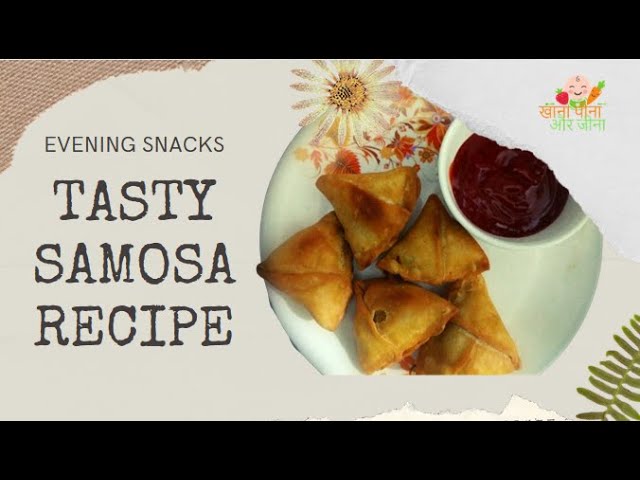 North Indian RecipesHow to Make Samosa in Easy Steps | Perfect & Delicious Samosa Recipe5 min read
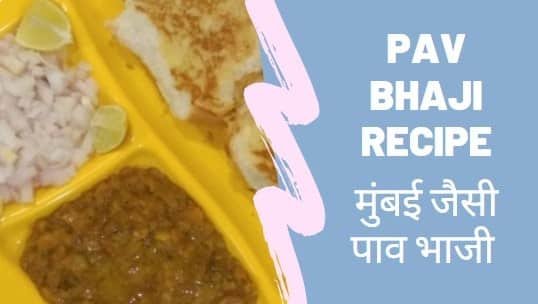 Indian Cuisine RecipesHow to Make Mumbai Type Pav Bhaji | Very Tasty Pav Bhaji Recipe4 min read5-Minute RecipesVeg Sandwich Recipe | How to make Nutritious Veg Sandwich for Kids in 5 Minutes3 min read
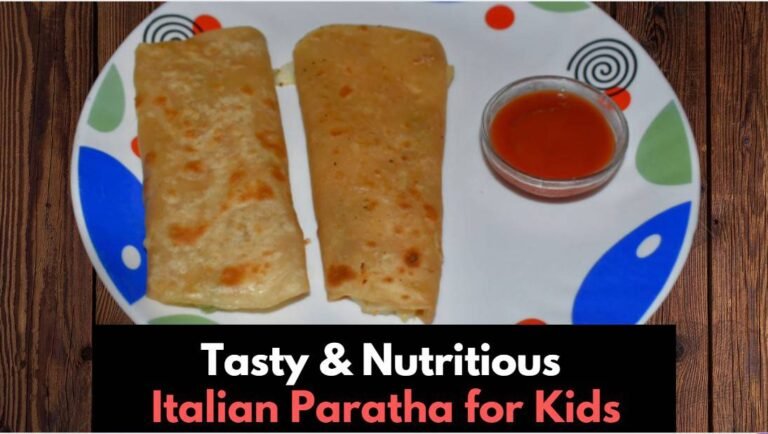 Breakfast RecipesItalian Paratha Recipe | Vegetable and Herbs Paratha with White Sauce5 min read5-Minute RecipesPotato Bites Recipe | Crispy & Tasty Potato Bites3 min read
Fasting Recipes: Sattvic Dishes for Vrat Days
Dishes made without grains, onion or garlic for Navratri, Ekadashi and other fasting days: sabudana, kuttu, rajgira and fruit-based preparations that keep you full through the day. Fasting customs vary by family and region, so check each ingredient list against your own practice.
 Breakfast RecipesAuthentic Sabudana Khichdi Recipe | How to make Sabudana Khichdi7 min read
 Fasting RecipesCrispy and Delicious Aloo Fry Recipe5 min read
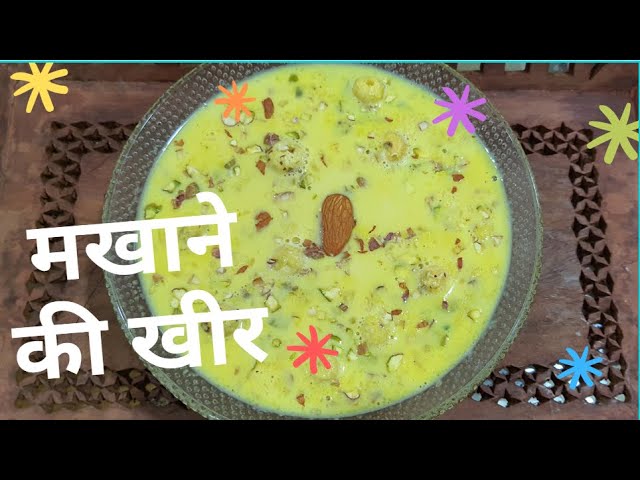 Fasting RecipesRoyal Makhana Kheer – A Divine Fasting Treat! | Navratri Vrat Special by Deepti Tipke4 min read
 Fasting RecipesDry Fruits Laddu Recipe | Healthy & Delicious Energy Bites | Perfect for Navratri & Diwali Festivities | By Deepti Tipke5 min read
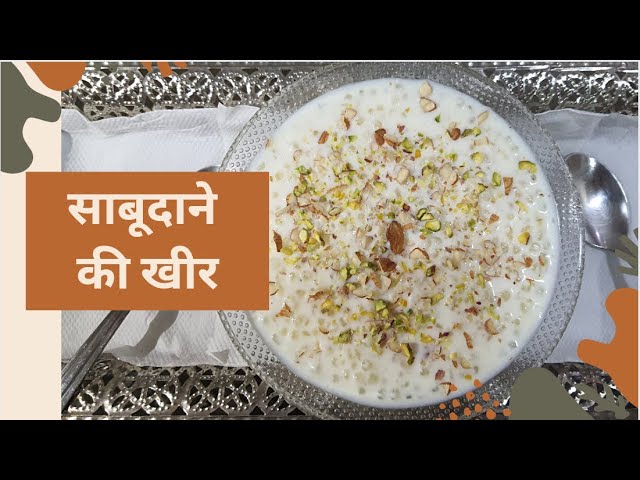 Fasting RecipesSabudana Kheer Recipe | Perfect Fasting Delight | Vrat Special by Deepti Tipke4 min read
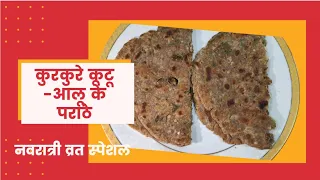 Fasting RecipesKuttu ka Paratha| Kuttu ki Roti | Navratri Vrat Recipe | Dashmi5 min read
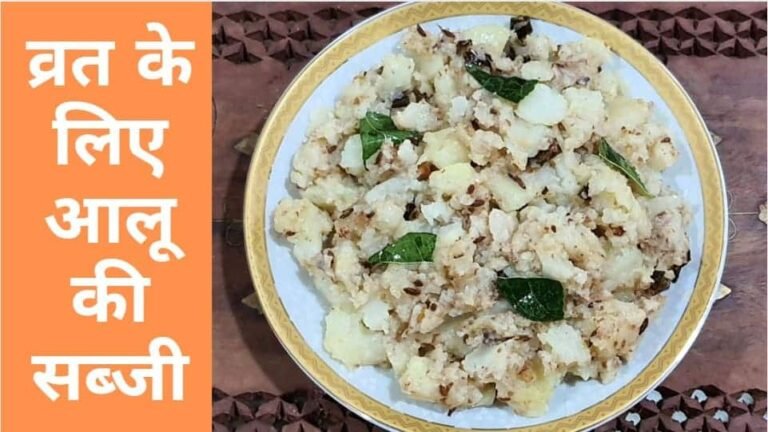
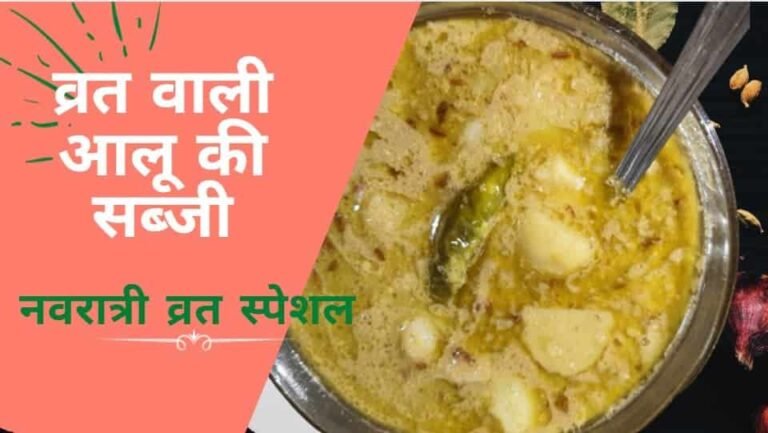 Fasting RecipesVrat wale Aloo ki Sabzi| Navratri Vrat Recipe | Potato Curry by Deepti Tipke5 min read
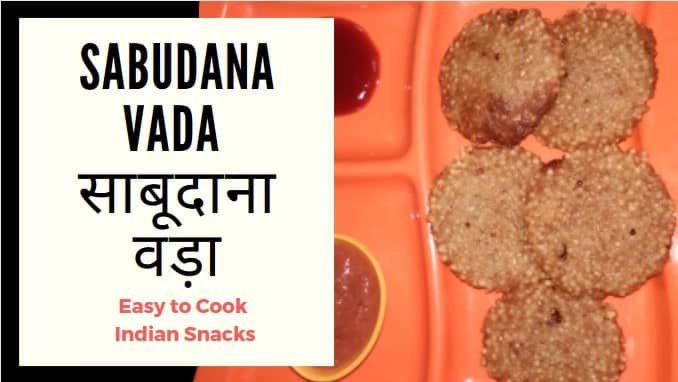 5-Minute RecipesCrispy & Tasty Sabudana Vada Recipe| Sago Vada Recipe4 min read
More fresh recipes
A wall of recent dishes to browse.
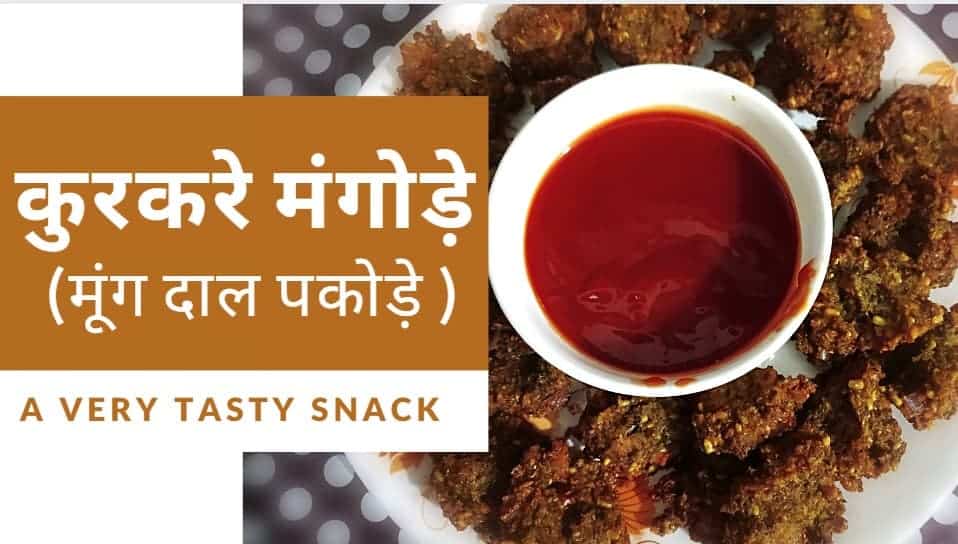 Indian Cuisine RecipesYummy Snack – Mangode Recipe | Moong Dal Pakode Recipe |3 min read
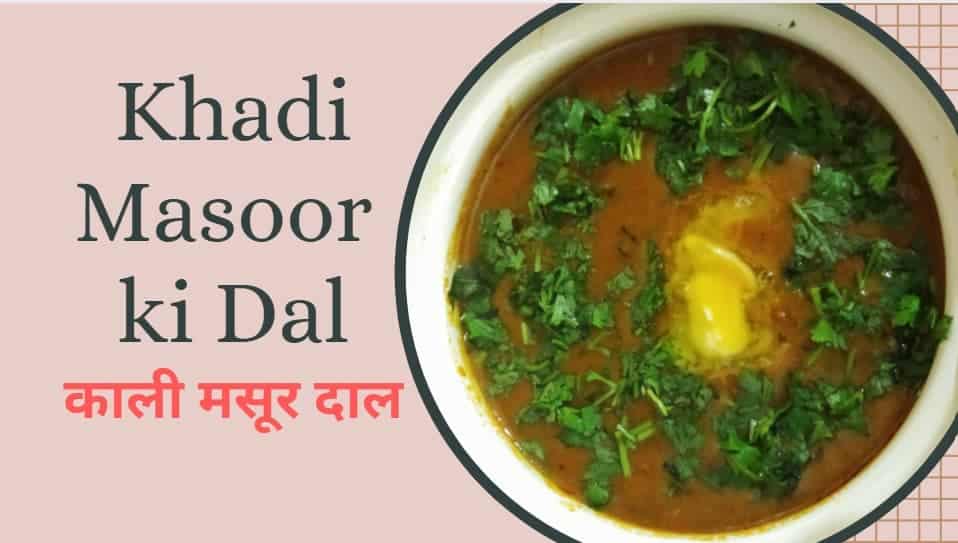 Indian Cuisine RecipesAromatic & Flavorful Khadi Masoor Dal Recipe | A Hearty & Protein-Rich Delight! 🍛✨5 min read
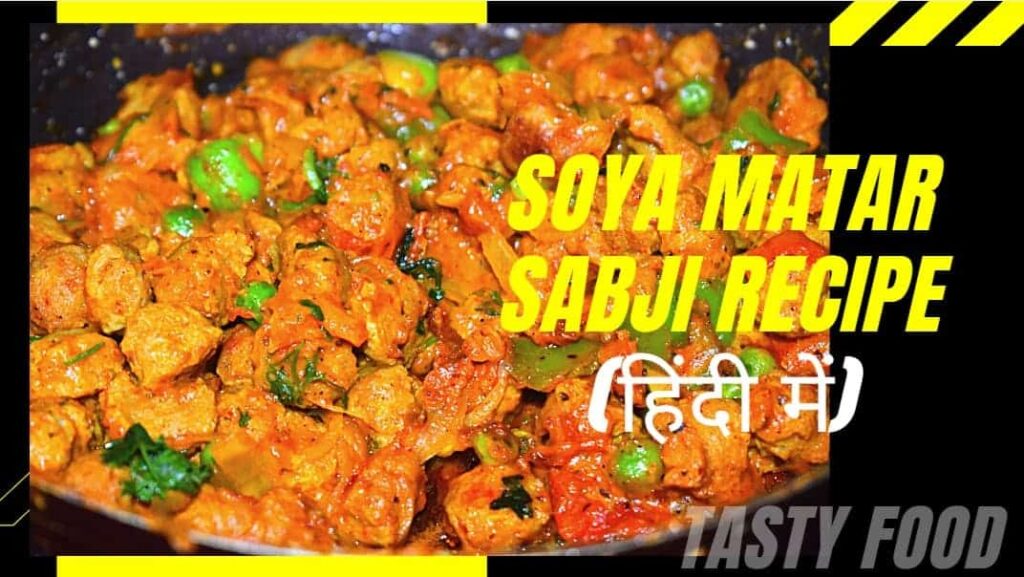 Indian Cuisine RecipesSoyabean Masala | Soya Matar Masala Sabzi Recipe6 min readBreakfast RecipesDhapate Recipe | Maharashtrian Thalipeeth5 min read
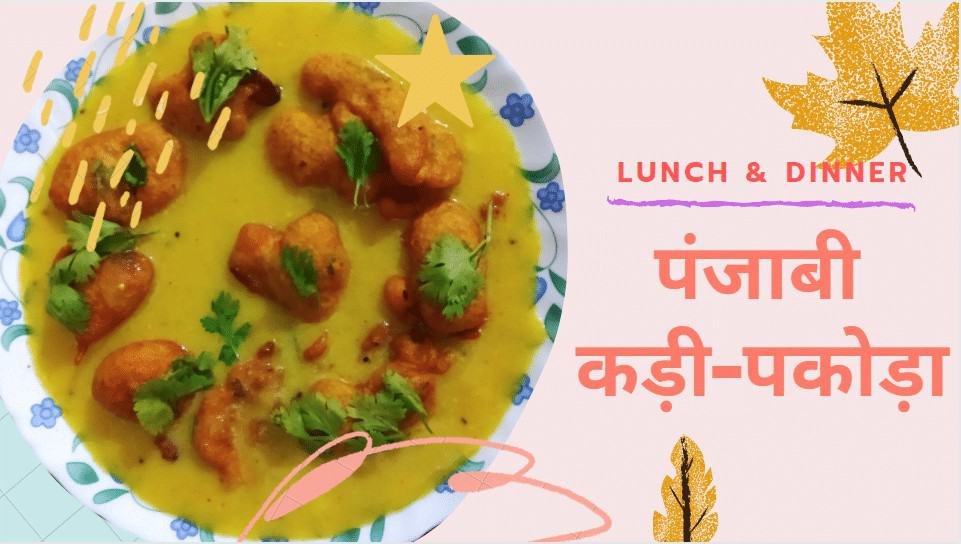 Indian Cuisine RecipesHow to make Kadhi Pakora | Kadhi Pakora Recipe4 min readIndian Cuisine RecipesSoya Chunks Pulao Recipe | Soyabean Pulao Recipe | Recipe by Deepti Tipke4 min read
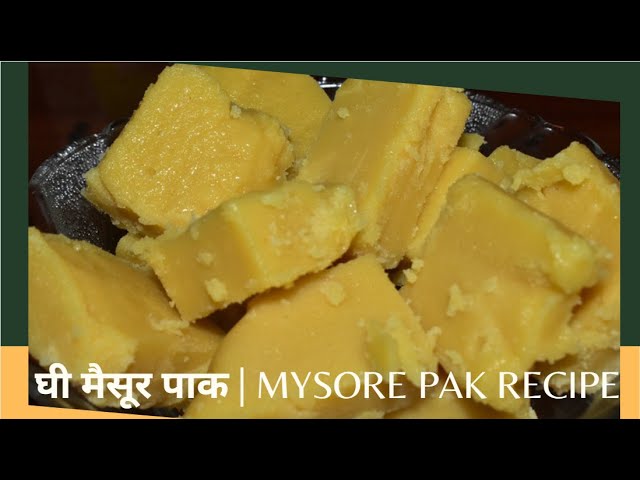 Indian Cuisine RecipesGhee Mysore Pak Recipe | Recipe by Rajshri Saxena4 min read
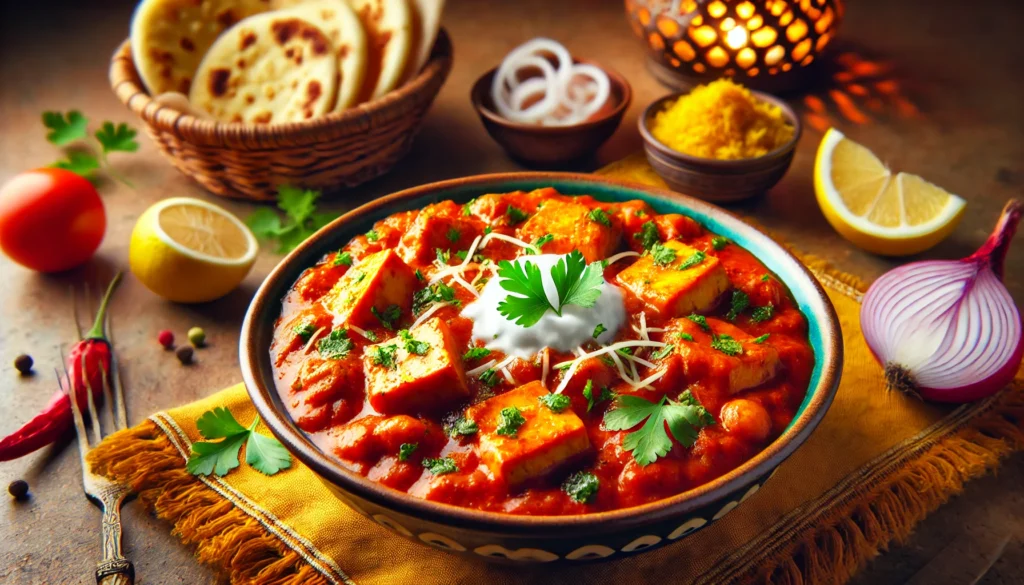 Indian Cuisine RecipesPaneer Butter Masala Recipe | Restaurant Style | Recipe by Pooja Jamdar5 min read
Browse by cuisine and course
Indian Cooking Questions, Answered
How do I cook rajma so it is soft and safe to eat?
Soak the kidney beans for 6 to 8 hours, then drain and discard the soaking water. Raw or undercooked kidney beans contain a natural toxin that causes severe stomach upset, so boil them hard for at least 10 minutes and cook until completely soft; a pressure cooker works well. Do not cook rajma at a low temperature or in a slow cooker. The full method is in this Punjabi rajma masala recipe.
How do I make dhaba-style dal at home?
Boil the lentils with whole spices until soft, then make a separate masala of tomatoes, green chillies and spices, and finish with a tadka of cumin, garlic and asafoetida in hot oil or ghee. Combining the boiled dal with the roasted masala, rather than cooking everything together, gives the dhaba flavour. Try dhaba-style urad dal or khadi masoor dal.
How long can cooked rice and biryani be stored safely?
Cool cooked rice quickly and refrigerate it within about an hour; leaving it at room temperature lets bacteria that survive cooking multiply. Eat it within one to two days and reheat it only once, until it is steaming hot all the way through. This applies to pulao, tehri and biryani, such as this north Indian veg biryani.
What can you eat during Navratri fasting?
Navratri fasting allows sabudana (tapioca pearls), kuttu (buckwheat) flour, singhara (water chestnut) flour, rajgira (amaranth), potatoes, sweet potatoes, most fruits, milk and curd, and rock salt (sendha namak) in place of table salt. Grains such as wheat and rice, lentils, onion and garlic are avoided. Customs vary by family and region, so check any ingredient list against your own practice. Browse the fasting recipes.
Why does idli and dosa batter not ferment properly?
The most common cause is temperature: the batter needs roughly 25–30°C for 8–12 hours, so it ferments poorly in an air-conditioned room or in winter. Other causes are too little urad dal, over-grinding which heats the batter, or iodised salt. Keep the batter somewhere warm, such as a switched-off oven with the light on. See how to make idli dosa batter with tips.
How do you stop samosas from becoming soft or oily?
Make a stiff dough with cold water and rest it for 20–30 minutes. Fry on a low to medium flame, around 140–150°C, for the first several minutes so the pastry cooks through before browning. Frying too hot browns the outside and leaves the inside raw; frying too cool makes them absorb oil.
How do I make restaurant-style paneer butter masala?
Cook onions, tomatoes and a little cashew paste into a smooth, well-fried gravy, then add butter, cream and kasuri methi at the end with the paneer. Adding butter and cream off a high flame keeps the gravy smooth. The step-by-step version is in this paneer butter masala recipe.
What can I cook in five minutes for an Indian breakfast?
Realistic five-minute options are poha if the flattened rice is soaked while the tempering heats, besan chilla, curd rice, a quick coriander or coconut chutney with leftover idli, or a fruit and nut bowl. Dishes needing fermentation, slow cooking or dough resting cannot genuinely be made in five minutes, whatever a recipe title claims. More ideas in 5-minute recipes.
Which oil is best for Indian cooking?
For deep frying, choose an oil with a high smoke point such as groundnut, rice bran or refined sunflower. For tempering and everyday sabzis, mustard oil suits northern and eastern dishes, coconut oil suits Kerala cooking, and ghee suits richer preparations. Extra-virgin olive oil is unsuitable for Indian frying because its smoke point is too low for tadka.
Where can I find Indian recipes written in Hindi?
Many of the dishes on this page are also available with Hindi instructions on the Hindi edition of BlogShog, including rajma masala, urad dal, biryani, chole bhature and chicken curry.