
How to Start an Online Store in India: A Step-by-Step Guide for Beginners

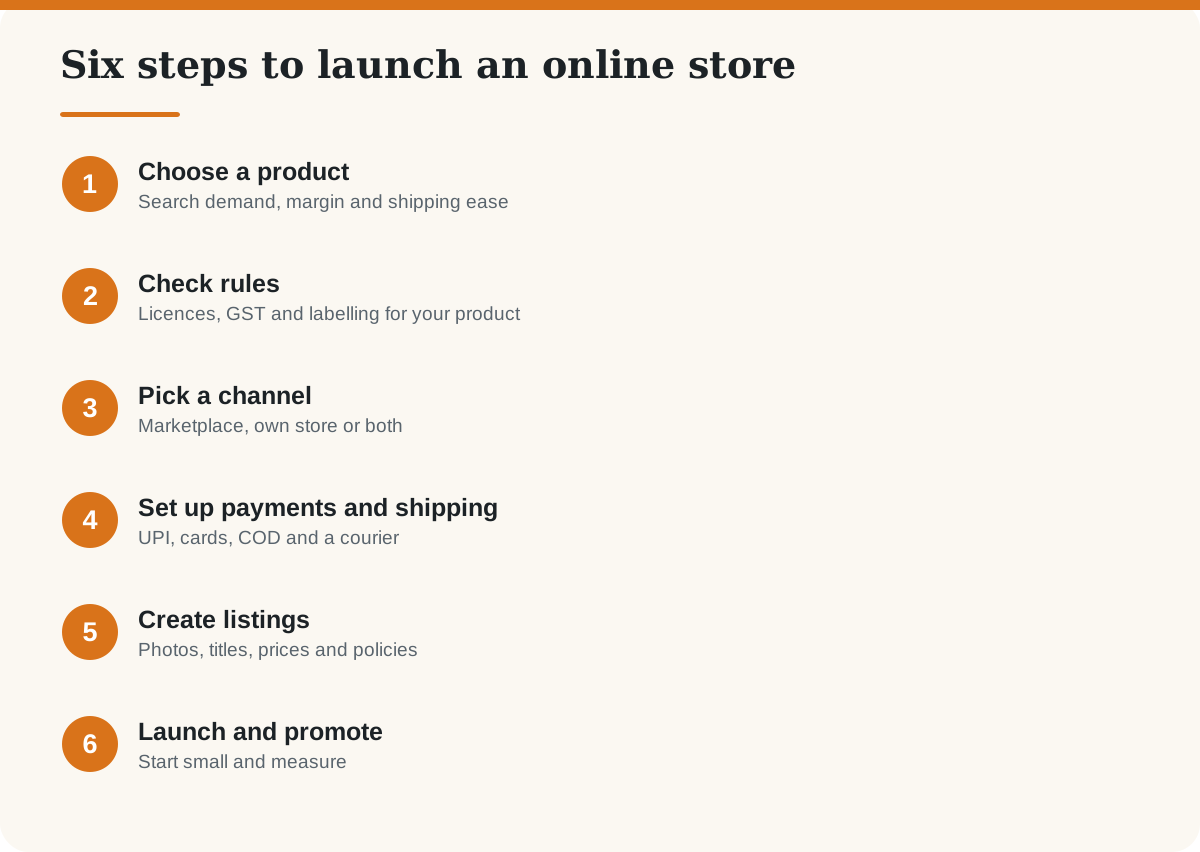
Starting online is cheaper than opening a shop, but the details trip people up: compliance, payments, returns and shipping. This guide walks through the order in which to decide things, so you avoid paying for tools before you know your product works.
Key takeaways
- Validate demand before you spend on a website or stock.
- Selling through marketplaces usually has GST implications. See our GST guide for online sellers.
- Good photos and clear return policies increase trust.
- Track profit per order, not just sales.
How do you choose what to sell?
Choose a product with proven demand, healthy margin and easy shipping. Check what people search for on marketplaces and Google, compare prices, and calculate your margin after product cost, packaging, shipping, returns and fees. Light, non-fragile, non-perishable products are easier to start with. Avoid products that need special permissions until you understand the rules.
Which legal and tax steps apply?
Requirements depend on what you sell and how. Typical items to check include a business structure and bank account, GST registration where required, and product-specific licences, for example food products need FSSAI registration. India’s Consumer Protection (E-Commerce) Rules, 2020 also set information and grievance requirements for e-commerce entities. Ask a chartered accountant or lawyer what applies to you, and use GST-ready accounting software from day one.
Marketplace, own website or both?
Read more on selling on Amazon India and Shopify vs WooCommerce. Also look at the government-backed network in our guide to ONDC for sellers.
How do you set up payments, shipping and returns?
- Payments: offer UPI and cards; decide whether to allow cash on delivery, which raises return risk.
- Shipping: compare couriers or aggregators for rates, pincode coverage and returns handling.
- Returns: write a clear, fair policy and show it on every product page.
- Packaging: protect the product and photograph it before dispatch to resolve disputes.
How do you get your first customers?
Start with people who already know you: friends, local groups and WhatsApp contacts. Then add search: write helpful product guides and learn the basics from SEO in simple steps and ways to increase website traffic. Collect reviews and build an email list; see email marketing tools for India. Take clear photos using our home product photography guide.
Frequently asked questions
How much money do I need to start an online store in India?
It depends on your product and channel. Selling a small range through a marketplace needs less than building a branded store with stock and ads. Start small, track costs, and add budget as sales prove demand.
Do I need GST registration to sell online?
Often yes, especially when selling through e-commerce operators, but rules and exemptions apply. Confirm with the official GST portal or a chartered accountant.
Is it better to sell on Amazon or my own website?
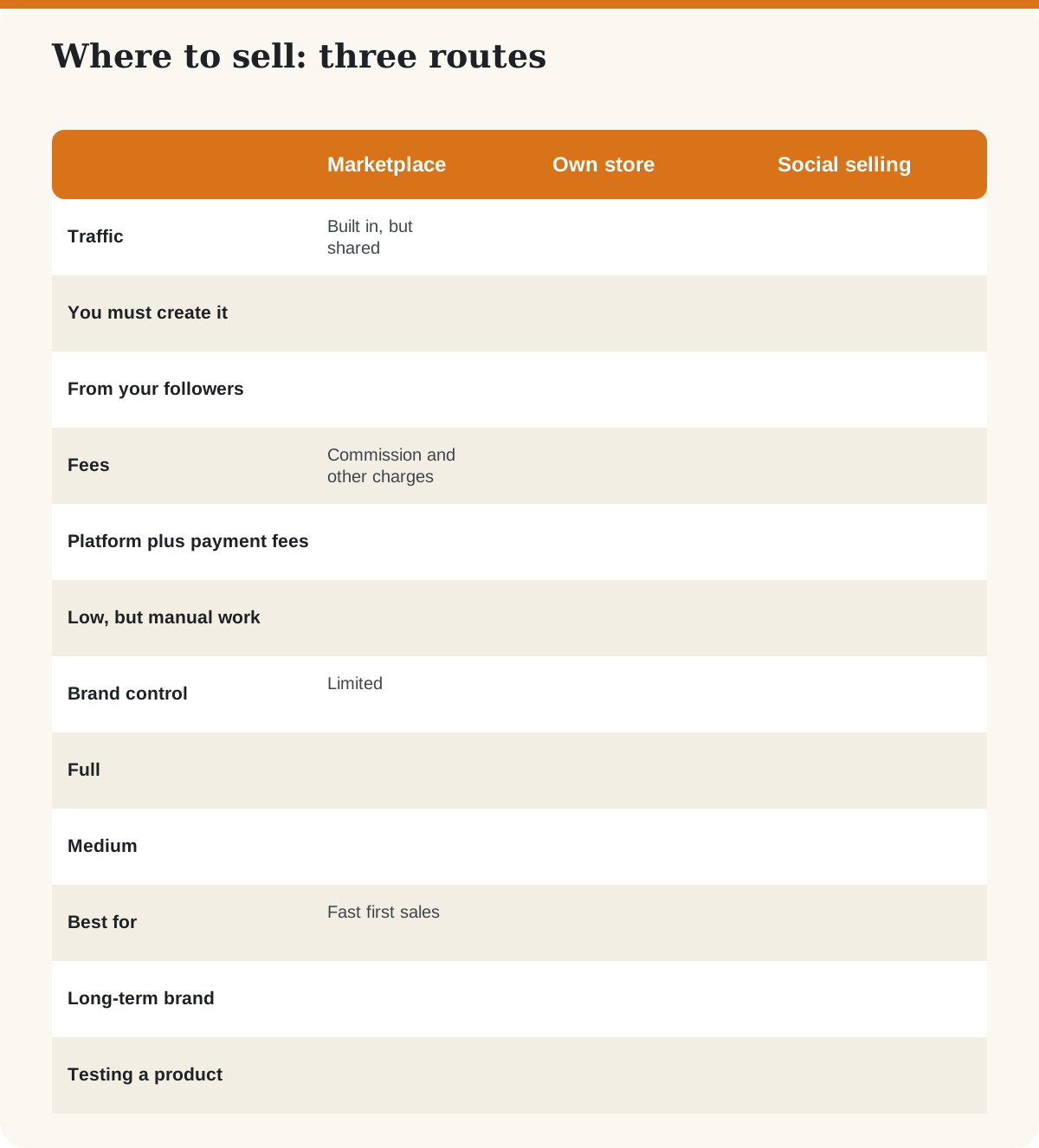
Marketplaces give faster traffic but charge fees and limit branding. An own store gives control but needs you to attract visitors. Many sellers use both.
Which payment methods should I offer?
UPI and cards are the baseline. Cash on delivery can help conversions in some categories but increases returns and cash-handling work.
How do I ship products across India?
Use a courier or shipping aggregator that covers your customers’ pincodes. Compare rates, delivery times, return handling and tracking before choosing.
What are the most common beginner mistakes?
Buying too much stock before testing, ignoring fees and returns when pricing, weak photos, unclear policies, and skipping tax and licence checks.
Sources
Last checked: October 2026. General information, not legal or tax advice. Rules and fees change; confirm with official sources and your adviser.