
The 50/30/20 Budget Rule for Indian Households: A Practical Guide

A budget works only if you can follow it. The 50/30/20 rule is popular because it is simple: three buckets and one number to remember. This guide explains each bucket, shows a worked example with assumed figures, and gives tweaks for Indian households. It is general information, not personal financial advice.
Key takeaways
- Use take-home (after-tax) income as your base.
- Pay yourself first: move the savings share on salary day.
- If needs exceed 50%, trim wants before touching savings.
- Review the split every few months or when income changes.
What goes into each bucket?
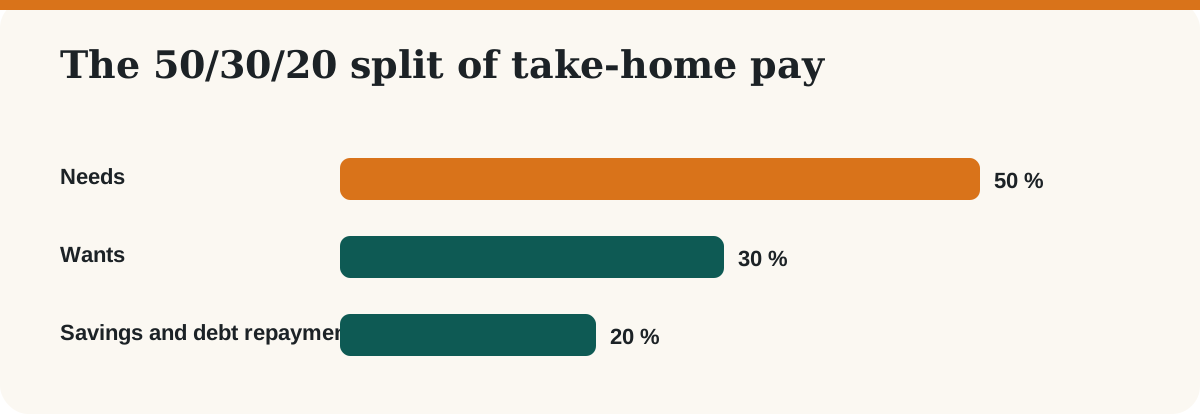
- Needs: rent or home loan EMI, groceries, utilities, transport, insurance premiums, minimum loan payments, school fees.
- Wants: eating out, streaming, travel, shopping, gadgets, hobbies.
- Savings and debt: emergency fund, investments such as a SIP, and extra loan repayment.
What does it look like with real numbers?
| Bucket | Share | On ₹60,000 take-home (assumed) |
|---|---|---|
| Needs | 50% | ₹30,000 |
| Wants | 30% | ₹18,000 |
| Savings and debt | 20% | ₹12,000 |
The figure of ₹60,000 is only an example. Replace it with your own take-home pay.
How do you adapt it when rent or EMI is high?
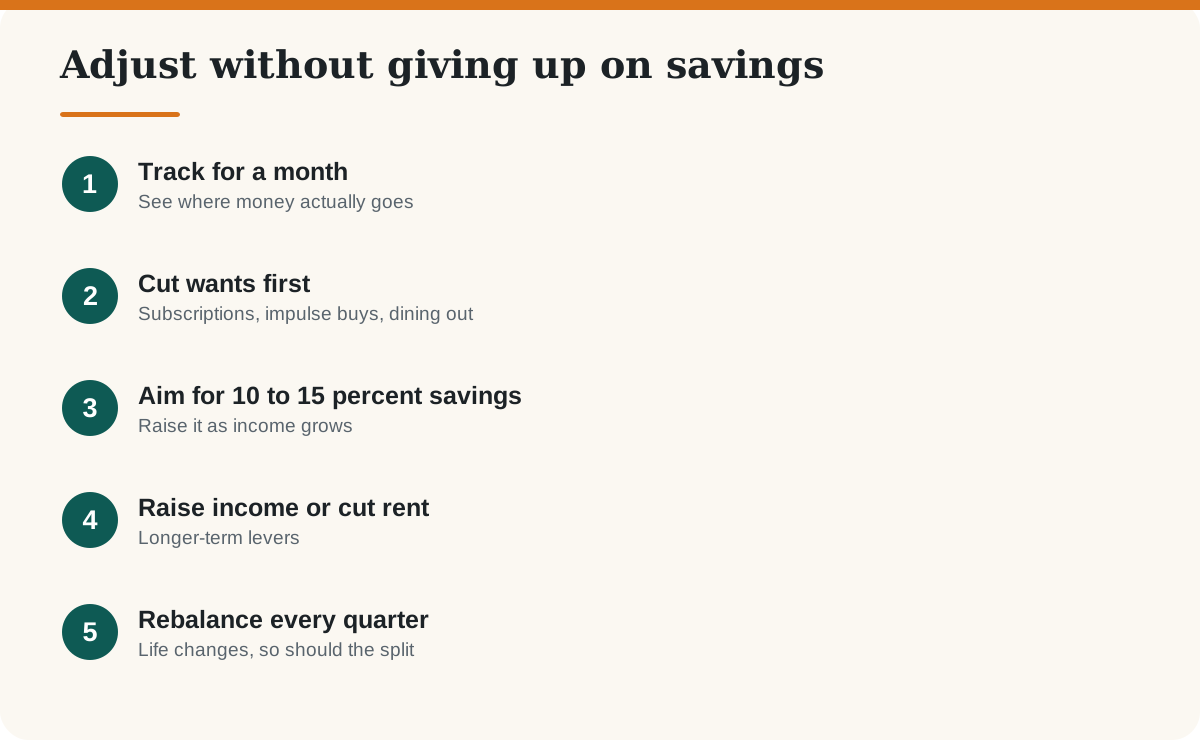
Joint families and single-income households often need a different mix, for example supporting parents or paying school fees. A 60/20/20 or 70/10/20 split is still a plan. The point is to decide in advance, not to hit a magic ratio.
Where should the 20% go first?
- High-interest debt such as credit card balances.
- A starter emergency fund.
- Insurance: term cover and health cover.
- Long-term investing for goals, comparing options such as PPF, ELSS and NPS.
Frequently asked questions
What is the 50/30/20 rule?
A budgeting guideline that allocates about 50% of after-tax income to needs, 30% to wants and 20% to savings and debt repayment.
Does the 50/30/20 rule work in India?
It works as a starting point. High rent, EMIs and family obligations may push needs above 50%, so adjust the split while keeping a savings share.
Should I use gross or take-home income?
Use take-home income, which is what you actually have available to spend and save.
Are EMIs needs or savings?
Minimum loan payments are usually counted as needs. Extra prepayments can count towards the savings and debt share.
What if my income is irregular?
Base the budget on your lowest typical month, and put extra income into savings or your emergency fund in good months.
How often should I review my budget?
At least every few months and whenever income, rent or family responsibilities change.
Last checked: October 2026. General information, not personal financial advice. Figures are illustrations with assumed income.