
Emergency Fund in India: How Much You Need and Where to Keep It

Before you start investing, build a cushion. An emergency fund stops a bad month from becoming a debt problem. This guide shows how to calculate the amount using your own expenses, how to build it gradually and where to keep it. It is educational, not personal financial advice.
Key takeaways
- Calculate with essential expenses, not your full income.
- Three to six months is a rule of thumb; your situation may need more.
- Prioritise safety and quick access over returns.
- Replenish the fund after you use it.
How do you calculate your emergency fund?
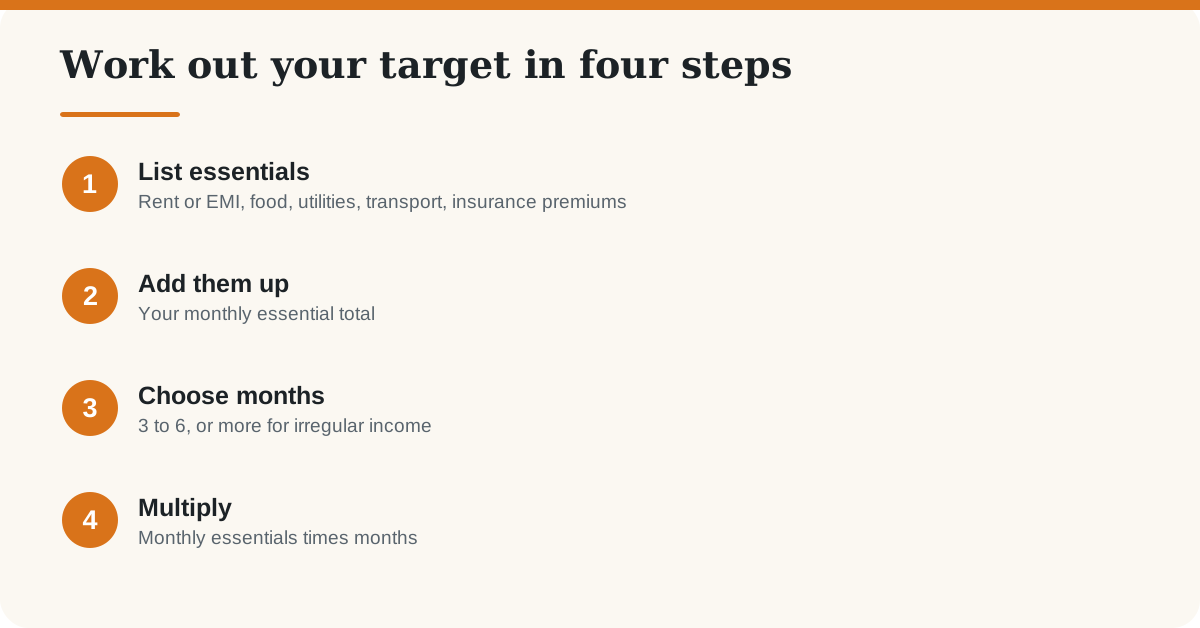
Example (assumed numbers): if your essential monthly spending is ₹30,000, a six-month fund is ₹1,80,000 and a three-month fund is ₹90,000. Adjust upwards if you are the only earner, have dependants, work in a volatile industry or are self-employed.
| Your situation | Months to consider |
|---|---|
| Stable job, no dependants, shared expenses | 3 months |
| Single earner or dependants | 6 months |
| Freelancer, business owner or commission income | 6 to 12 months |
| Near retirement or with health concerns | Discuss with an adviser |
Where should you keep an emergency fund?
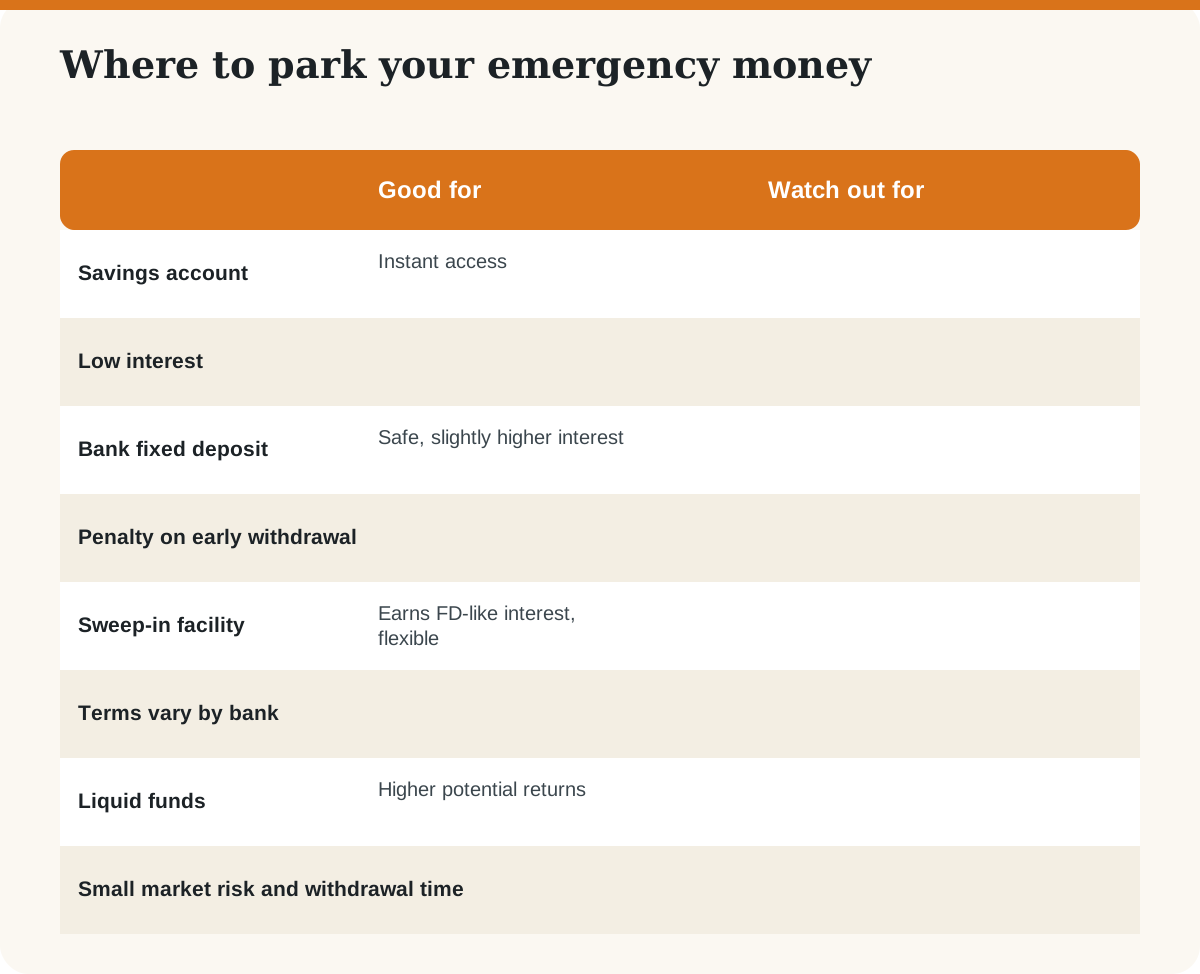
Split the fund into two parts if you like: one month in your savings account for instant access, and the rest in a slightly higher-yielding but still safe place. Do not put emergency money into shares, equity mutual funds, cryptocurrency or locked-in schemes such as PPF, because values fall and exits take time.
How do you build it quickly?
- Start with a mini goal such as ₹10,000, then one month of expenses.
- Automate a transfer on salary day.
- Add windfalls such as bonuses, tax refunds and festival gifts.
- Trim one or two subscriptions or habits and redirect that money.
- Track progress monthly. Our 50/30/20 budget guide can help you find the money.
What counts as an emergency?
Job loss, a medical emergency that insurance does not cover, urgent home or vehicle repairs and sudden family needs. A sale, a holiday or a new phone is not an emergency. Health insurance and term insurance protect against the biggest shocks; read about term insurance for first-time buyers.
Once your fund is ready, you can start investing for goals with a SIP or compare options in PPF vs ELSS vs NPS.
Frequently asked questions
How much emergency fund should I have?
A common rule of thumb is three to six months of essential expenses. Increase it if you are the only earner, have dependants or have irregular income.
Where should I keep my emergency fund?
In safe, easily accessible places such as a savings account, a bank fixed deposit or a sweep-in facility. Some people use liquid funds for part of it, accepting small market risk.
Should I invest my emergency fund in the stock market?
No. Market values can fall exactly when you need the money. Keep emergency money safe and accessible.
Should I build an emergency fund or pay off debt first?
Build a small starter fund first, then focus on high-interest debt, and grow the fund as debt falls. Your adviser can help balance them.
Is health insurance a substitute for an emergency fund?
No. Insurance covers specific costs, but you still need cash for gaps, waiting periods, non-covered expenses and income loss.
How do I rebuild the fund after using it?
Resume automatic transfers, add windfalls and pause other investing temporarily until the fund is back to your target.
Last checked: October 2026. Educational content, not personal financial advice. Interest rates, bank rules and deposit insurance limits change; confirm with your bank.