
PPF vs ELSS vs NPS: Which Tax-Saving Option Fits You?

Tax saving should be a by-product of a sound plan, not the reason to buy a product. This article compares the three options on the features that rarely change, and points you to official sources for the numbers that do, such as interest rates and deduction limits. It is educational, not tax or investment advice. Speak to a chartered accountant or a SEBI-registered adviser for your case.
Key takeaways
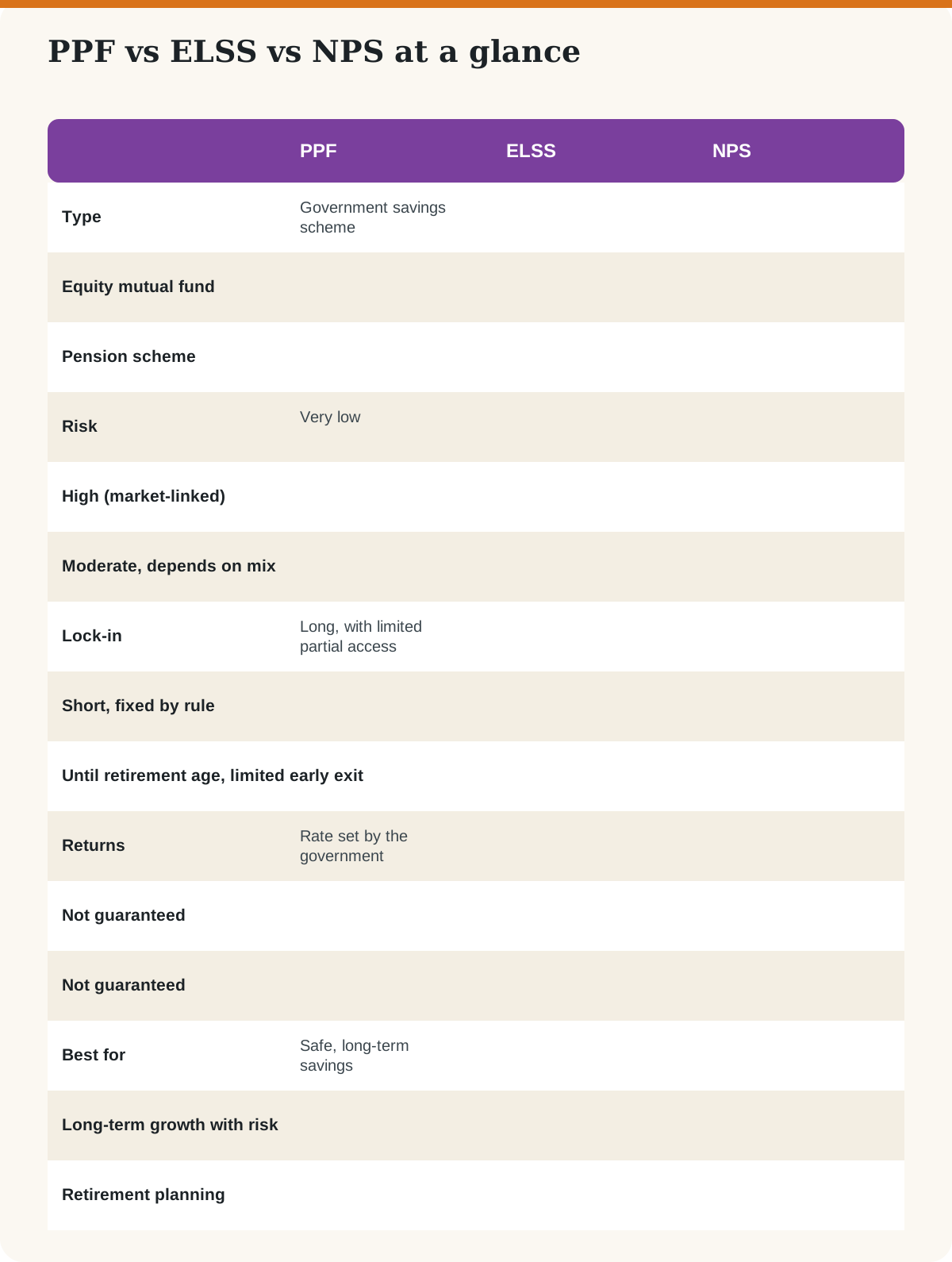
- PPF is the lowest risk of the three; ELSS carries the most market risk; NPS sits in between and depends on your allocation.
- Lock-ins differ widely: ELSS is short, PPF is long and NPS runs to retirement age.
- Many tax deductions apply only in the old tax regime. Check which regime you file under before investing for tax.
- Tax rules and rates change every Budget, so verify on the official sites.
How do PPF, ELSS and NPS compare?
How does the tax regime change the choice?
Under the old tax regime, deductions are available for specified investments, subject to limits. Under the new regime, most of those deductions are not available, although an employer contribution to NPS has been allowed within limits. This means that if you file under the new regime, you may not get a tax benefit for PPF or ELSS at all. You would then choose them purely on merit. Check the Income Tax Department website or your accountant for the current year’s rules.
Who should consider each one?
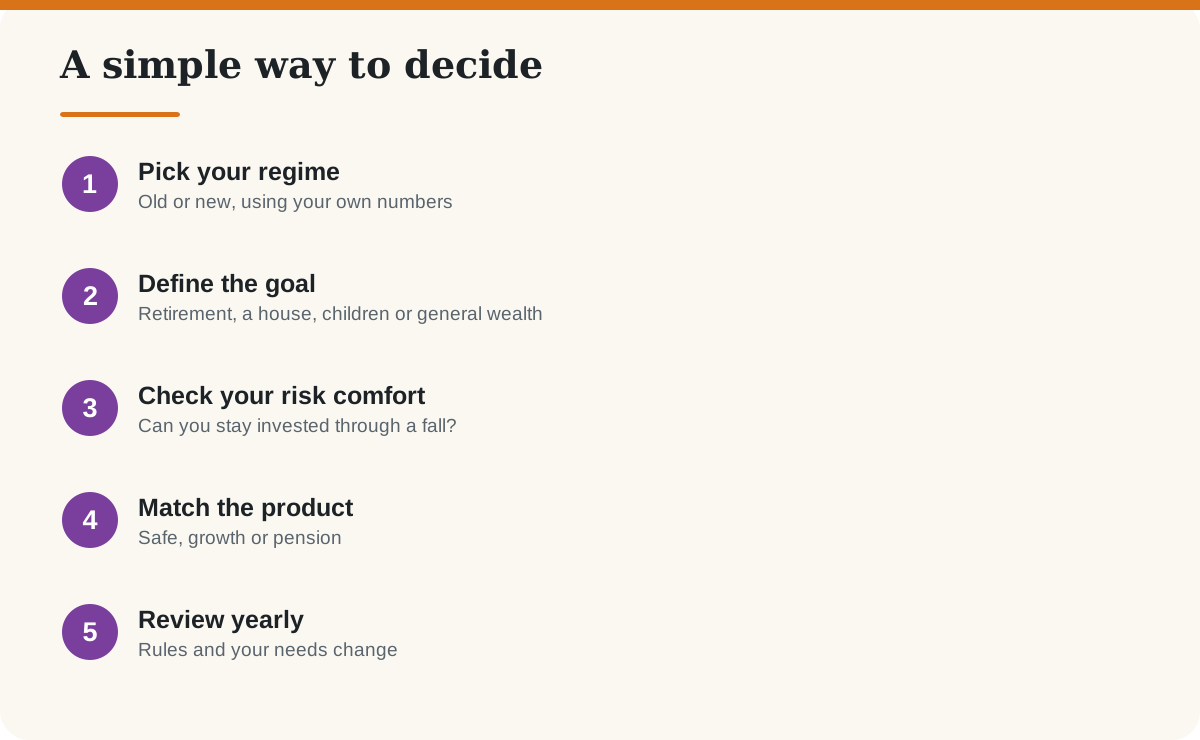
- PPF: you want a safe, government-backed, long-horizon savings option and can leave the money alone.
- ELSS: you have a long horizon, accept ups and downs and want equity exposure. A SIP is a common way to invest.
- NPS: you want a disciplined retirement corpus and accept that most of it is locked until retirement age, and that part of the final corpus must be used to buy an annuity under the rules.
Many people combine them: for example a safe base in PPF, growth through equity funds and a pension layer through NPS, sized to their goals. Keep your emergency fund outside all three, because lock-ins and market swings make them unsuitable for emergencies. And make sure you have adequate term insurance before chasing returns.
What are the common mistakes?
- Investing only to save tax, in March, without a goal.
- Assuming past equity returns will repeat.
- Ignoring the lock-in and needing the money early.
- Not checking whether the deduction applies to your regime.
- Putting all savings in a single product.
Frequently asked questions
Which is safest: PPF, ELSS or NPS?
PPF is generally considered the lowest risk because it is a government scheme. ELSS and NPS carry market risk to different degrees.
Which has the shortest lock-in?
ELSS generally has the shortest lock-in of the three. PPF has a long lock-in with limited partial access, and NPS is locked until retirement age with limited early exit. Confirm the current rules.
Do I get tax benefits under the new tax regime?
Most deductions for investments are not available in the new regime, though an employer’s NPS contribution has been allowed within limits. Check the latest rules or ask a chartered accountant.
Can I invest in all three?
Yes, if they suit your goals, risk comfort and budget. Avoid overlapping lock-ins that leave you short of accessible money.
Are PPF interest rates fixed forever?
No. The government reviews the rate periodically, so check the current rate on the official India Post or Ministry of Finance announcements.
Is ELSS a good choice for beginners?
It can be if you have a long horizon and can tolerate losses in the short term. Invest regularly rather than in one lump sum, and remember that returns are not guaranteed.
Sources
Last checked: October 2026. Educational content, not tax or investment advice. Tax rules, limits and interest rates change; verify on official sources or with a qualified professional. Mutual fund investments are subject to market risks.