
How Much Water Should You Drink a Day? What Experts Say (and Signs You’re Hydrated)

This article gives general information and is not medical advice. If you are worried about your health, speak to a qualified doctor. In India, Tele-MANAS offers a free 24-hour mental health helpline on 14416.
“Drink 8 glasses” or “drink 4 litres” are easy rules that do not fit everyone. This guide explains what the evidence says, what changes your needs in Indian weather and routines, how to tell if you are drinking enough, and when drinking more is a bad idea. It is general information, not medical advice.
Key takeaways
- Total fluids of about 2.7 to 3.7 litres a day include food and all drinks (Mayo Clinic).
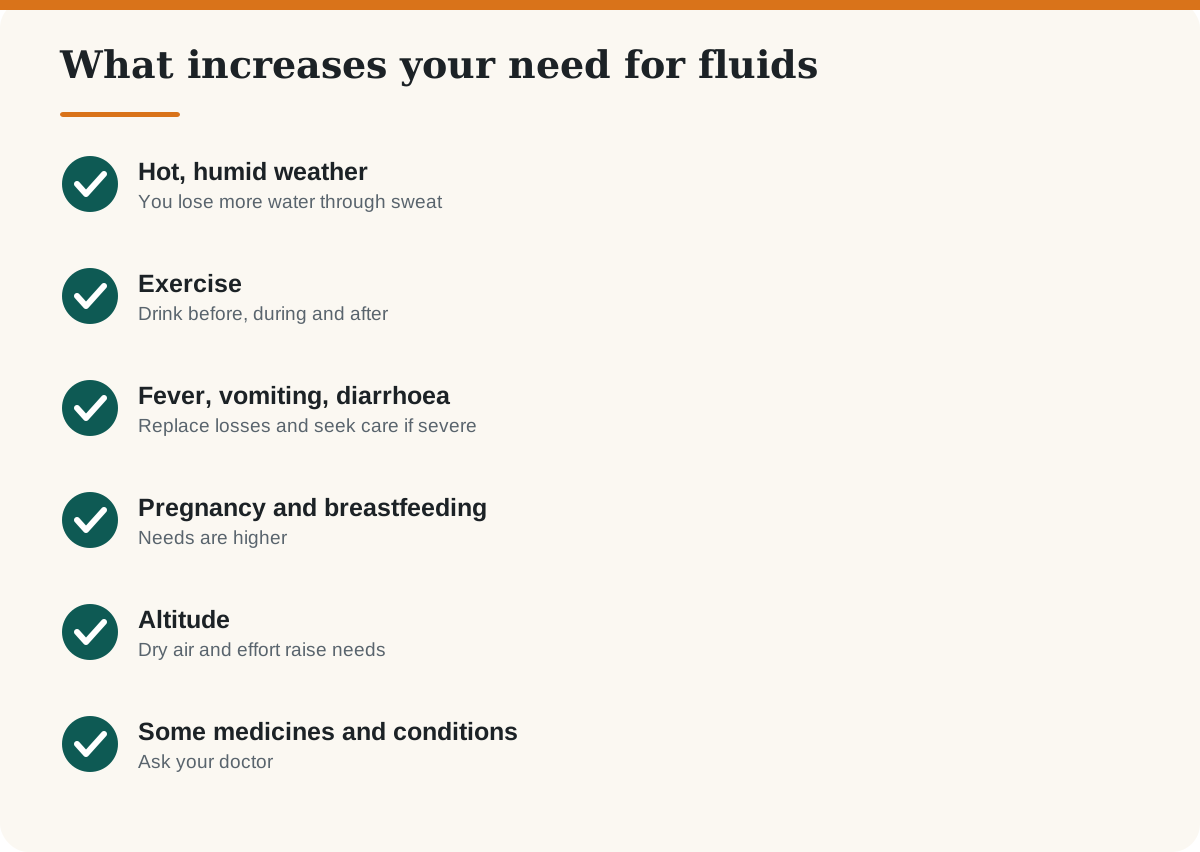
- Heat, exercise, fever, vomiting and diarrhoea increase needs.
- Pale yellow urine and rarely feeling thirsty are good signs.
- Tea, coffee and milk count toward fluid intake; sugary drinks add sugar and calories.
How much water do you really need?
Aim for enough fluid to rarely feel thirsty and to pass pale yellow urine. The range of about 2.7 to 3.7 litres a day refers to total fluid from beverages and food, not just plain water, so most people drink less than that figure as water alone. The popular “eight glasses a day” is easy to remember but, as Mayo Clinic says, it is not right for everyone.
What counts toward your daily fluids?
Water, tea, coffee, milk, buttermilk (chaas), coconut water and soups all count. Fruit and vegetable juices and soft drinks count too, but they add sugar, salt or calories, so water and unsweetened drinks are the better default. Water-rich foods such as watermelon, cucumber, cabbage and many fruits also contribute. About one fifth of daily water comes from food.
How can you tell if you are dehydrated?
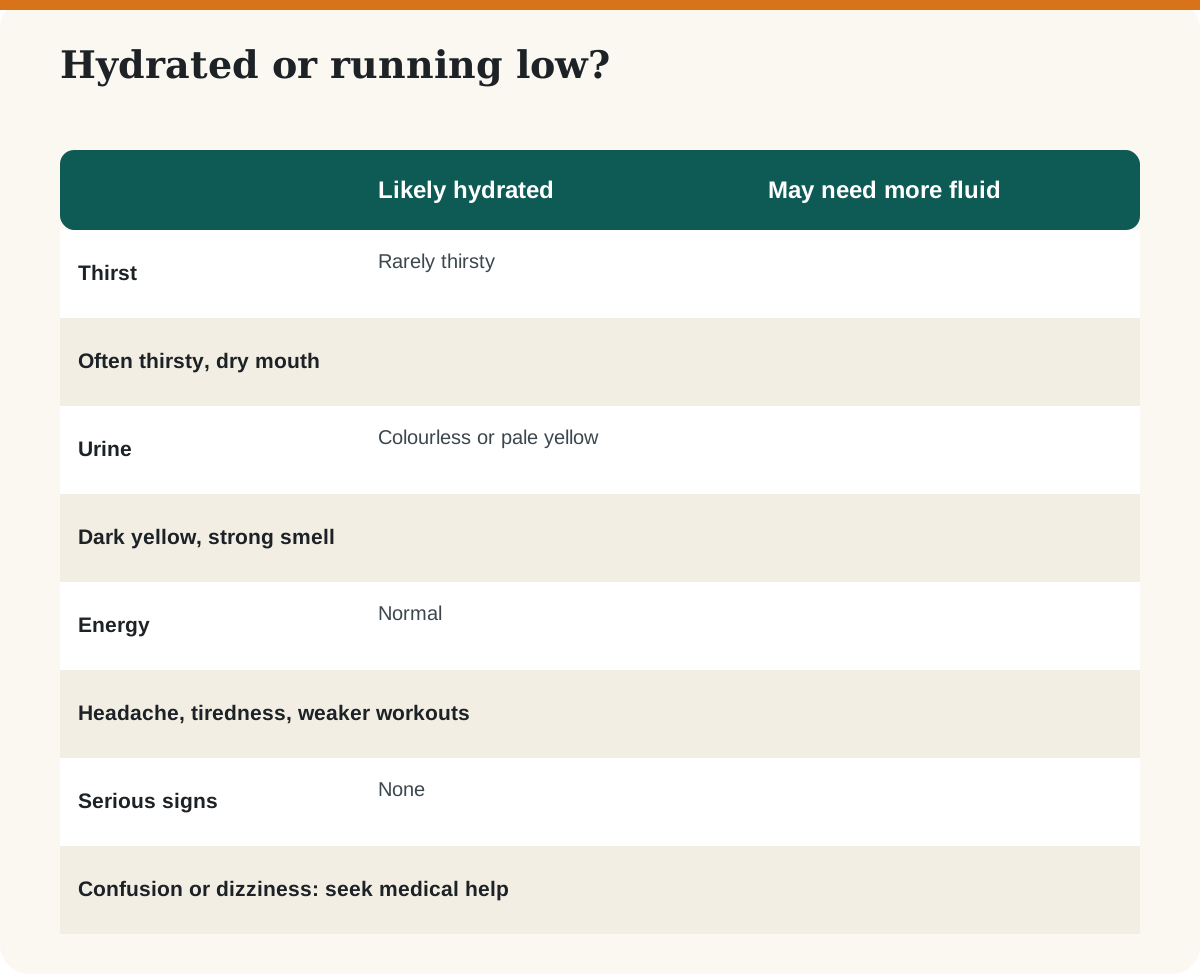
Infants, older adults and people with illness can become dehydrated faster and may not feel thirsty. Seek medical help for severe vomiting or diarrhoea, confusion or very little urine.
Can you drink too much water?
It is uncommon in healthy adults, but possible. When the kidneys cannot remove excess water, blood sodium can fall too low, a condition called hyponatremia that can be dangerous. Athletes who drink a great deal before or during long, intense events are most at risk. People with kidney, heart or liver conditions may be told to limit fluids, so follow your doctor’s instructions.
Easy habits to drink enough
- Keep a bottle where you work and refill it at set times.
- Have a glass with each meal and one after waking up.
- Carry water when you commute or exercise outdoors in summer.
- Add lemon, mint or cucumber if plain water bores you.
- Eat fruit and vegetables; see superfoods for energy and immunity.
More everyday habits are in our guide to simple tips for a healthy lifestyle. Dehydration can also worsen headaches and acidity; see tips for acidity.
Frequently asked questions
How many litres of water should I drink a day?
There is no fixed number. Mayo Clinic notes that average healthy adults may need about 2.7 to 3.7 litres of total fluid daily, including food and all drinks. Your needs depend on weather, activity and health.
Is 8 glasses of water a day necessary?
It is a simple guideline but not right for everyone. Listen to thirst and check your urine colour.
Do tea and coffee count as water?
Yes, they contribute to your daily fluid intake. Keep an eye on added sugar and avoid heavy caffeine late in the day.
What colour should urine be?
Pale yellow or nearly colourless usually suggests good hydration. Dark yellow can mean you need more fluid, though some foods and medicines change colour.
Can drinking too much water be harmful?
Yes, though it is rare in healthy adults. Excess water can lower blood sodium, called hyponatremia, which can be life-threatening.
Should people with kidney or heart disease follow the same advice?
No. They may need to limit or adjust fluids, so follow your doctor’s instructions.
Sources
Last checked: October 2026. General information, not medical advice. Ask your doctor if you have a medical condition that affects fluid needs.