
Vitamin D Deficiency in India: Symptoms, Causes, Testing and Treatment

This article gives general information and is not medical advice. If you are worried about your health, speak to a qualified doctor. In India, Tele-MANAS offers a free 24-hour mental health helpline on 14416.
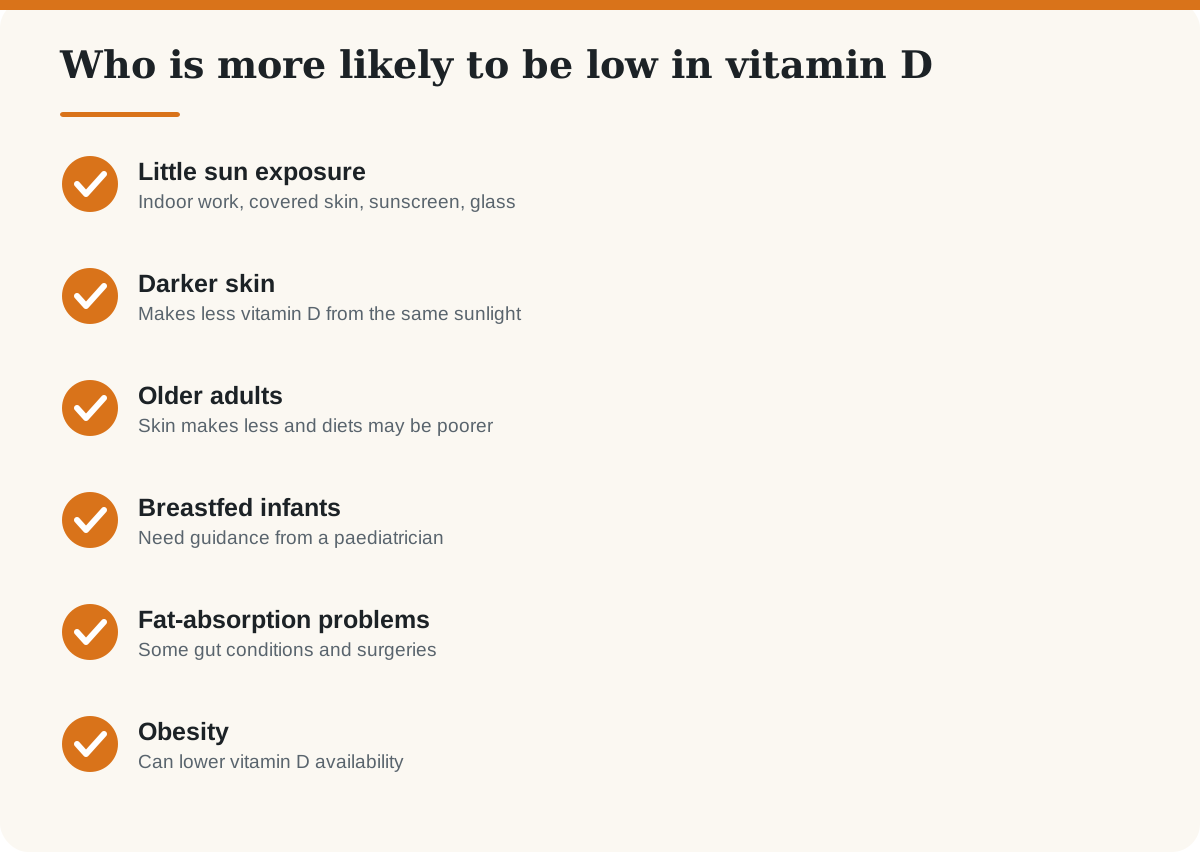
Vitamin D deficiency is widely discussed in India, even though the country is sunny, because many people spend most of the day indoors, cover their skin, live with air pollution or have diets low in vitamin D. This article explains the basics using the US National Institutes of Health (NIH) fact sheet. It is general information, not medical advice. Do not start or stop treatment without talking to a doctor.
Key takeaways
- A blood test confirms deficiency; symptoms alone are not reliable.
- The NIH recommends 15 mcg (600 IU) a day for most adults up to age 70 and 20 mcg (800 IU) for ages 71 and older.
- The NIH upper limit for adults is 100 mcg (4,000 IU) a day from all sources.
- Very high levels from supplements can cause nausea, kidney stones and kidney problems.
What does vitamin D do?
Vitamin D helps your body absorb calcium for strong bones. It also supports muscles, nerves and the immune system. Your skin makes vitamin D when exposed to sunlight, and you also get small amounts from foods such as fatty fish, fortified foods and supplements.
What are the symptoms of vitamin D deficiency?
Many people have no obvious symptoms. According to the NIH, long-term deficiency causes rickets in children and osteomalacia in teens and adults, which can lead to bone pain and muscle weakness. Tiredness, aches or low mood can have many other causes, so do not assume vitamin D is the reason. See a doctor for persistent bone pain, weakness or frequent fractures.
How is vitamin D deficiency diagnosed?
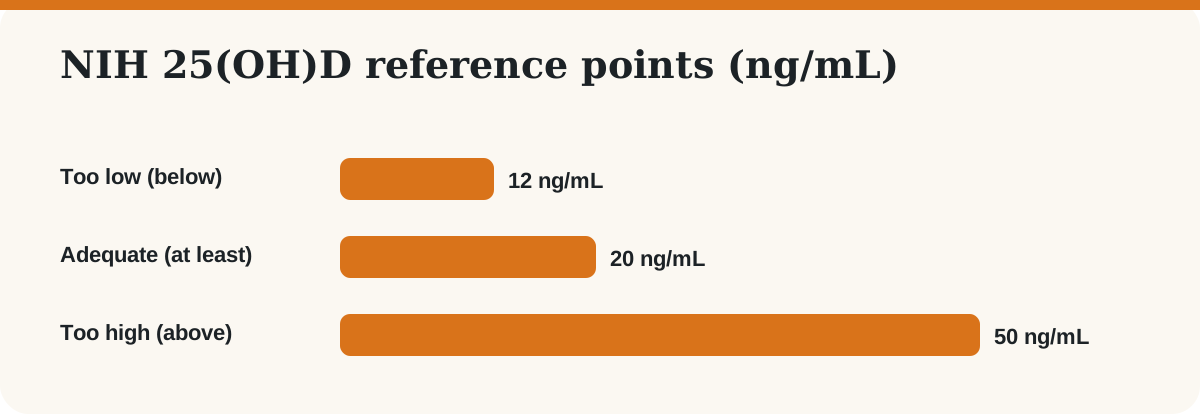
Doctors check the blood level of 25-hydroxyvitamin D. The NIH notes that a level of at least 50 nmol/L (20 ng/mL) is generally considered adequate, below 30 nmol/L (12 ng/mL) is too low, and above 125 nmol/L (50 ng/mL) is too high. Laboratory reference ranges and the targets doctors use can differ, so ask your doctor to interpret your report.
How do you get enough vitamin D safely?
- Sunlight: skin makes vitamin D in sunlight, but sun exposure also raises skin cancer risk, and factors such as smog, clothing, skin tone and sunscreen reduce production. Ask your doctor what is sensible for you.
- Food: few foods contain vitamin D naturally; fatty fish and fortified foods are among the sources. Check food labels for fortification.
- Supplements: doctors prescribe different doses depending on test results. Do not take high-dose products on your own.
The NIH warns that very high blood levels, which almost always come from taking too many supplements rather than from sunlight, can cause nausea, kidney stones, kidney failure and irregular heartbeat. Some medicines, including orlistat, statins, steroids and thiazide diuretics, may interact with vitamin D, so tell your doctor or pharmacist what you take.
Does vitamin D prevent other diseases?
Vitamin D with calcium supports bone health. The NIH summary states that clinical trials have not shown supplements to reduce heart disease risk, prevent type 2 diabetes, treat depression or aid weight loss. Be cautious of products that promise more. For overall healthy habits, read simple tips for a healthy lifestyle and superfoods for energy and immunity.
Frequently asked questions
What are the symptoms of low vitamin D?
Many people have no clear symptoms. Long-term deficiency can cause bone pain and muscle weakness, and rickets in children. Other symptoms such as tiredness have many causes, so get tested.
Why is vitamin D deficiency common in India despite sunshine?
Indoor lifestyles, covered skin, air pollution, darker skin tones, sunscreen use and limited dietary sources can all reduce vitamin D levels.
How is vitamin D deficiency tested?
With a blood test for 25-hydroxyvitamin D. Your doctor interprets the result along with your health and symptoms.
How much vitamin D do adults need?
The NIH lists 15 mcg (600 IU) a day for most adults up to age 70 and 20 mcg (800 IU) for ages 71 and older. People with deficiency may need different doses prescribed by a doctor.
Can I take vitamin D supplements without a doctor?
Avoid high doses without advice. Too much can cause harm. The NIH adult upper limit from all sources is 100 mcg (4,000 IU) a day, and treatment doses are set by a doctor.
Can vitamin D cure depression or help weight loss?
The NIH reports that trials do not show supplements treat depression or aid weight loss. Seek proper care for mood problems.
Sources
Last checked: October 2026. This article is general information and not medical advice. Indian guidelines and laboratory ranges can differ from the US figures quoted here, so rely on your doctor’s interpretation.