
Top 7 Superfoods for Boosting Energy and Immune System
This article gives general information and is not medical advice. If you are worried about your health, speak to a qualified doctor. In India, Tele-MANAS offers a free 24-hour mental health helpline on 14416.
This blog highlights how a fast-paced lifestyle, stress, and poor eating habits can weaken energy levels and immunity. It explains the benefits of adding seven powerful superfoods — spinach, berries, ginger, turmeric, nuts and seeds, garlic, and citrus fruits — to daily meals.
Nowadays, people often feel exhausted due to the demands of a fast-paced lifestyle. Lifestyle issues such as stress and poor eating habits make them feel weaker. Natural food choices genuinely support both energy and immunity.
Adding superfoods to your meals helps your body produce more energy and supports its natural defences against illness.
These nutrient-dense foods deliver essential nutrients and antioxidants that support your body’s energy levels and immune function. This blog examines seven such foods that genuinely support energy levels and immune system health.
Many experts also highlight the benefits of daily yoga in supporting energy flow, reducing stress, and enhancing immunity — a genuinely useful complement to nutrient-rich eating.
Below, we’ll walk through practical ways to add them to your regular meals. Let’s dive in.
The 7 Superfoods You Need in Your Diet
1. Spinach
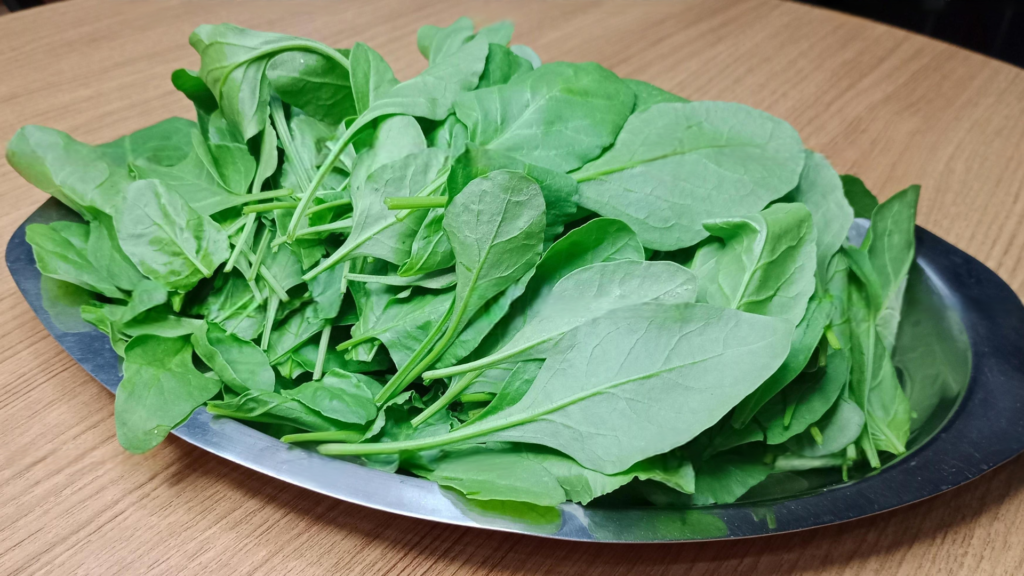
These nutrient-rich greens are a genuinely powerful natural food. Eating spinach can help you feel more energetic while supporting your immune system.
With its high iron and magnesium content, along with other vital nutrients, spinach promotes healthy blood flow and supports your body’s energy production.
Your body needs iron to carry oxygen efficiently — without enough, you’ll feel drained and weak. Beyond energy, spinach supports your immune system through vitamins C, E, and beta-carotene, which help protect cells from oxidative stress.
How to add it: Blend fresh spinach into smoothies, toss it into salads, sauté it as a side dish, dice it into soups, or stir it into eggs for an easy nutrient boost.
2. Berries
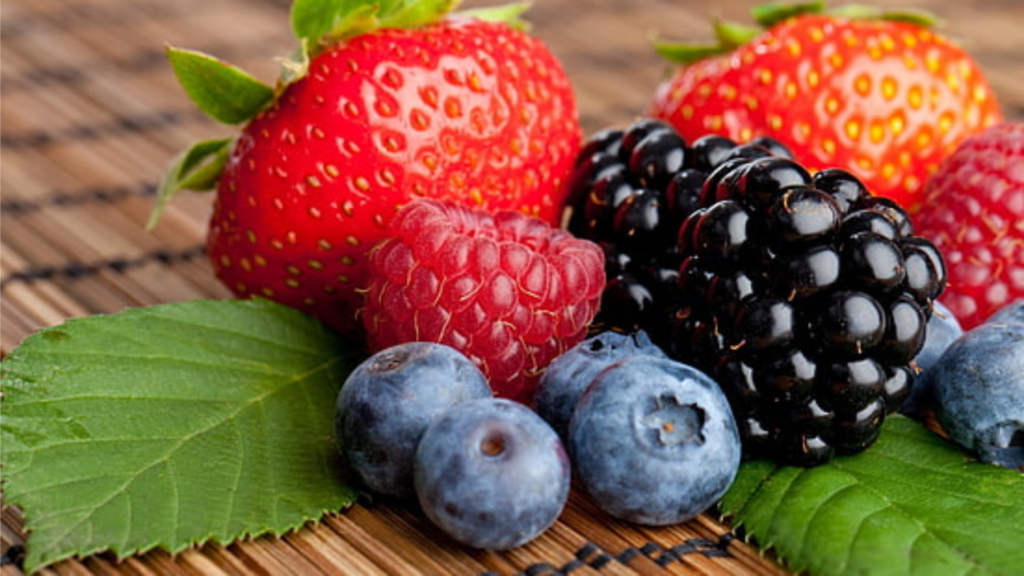
Berries are an antioxidant-rich powerhouse. Blueberries, strawberries, and raspberries all supply antioxidants that help your immune system fight harmful free radicals and reduce inflammation in the body.
Berries also supply vitamin C, which supports white blood cell production to help fight infections.
Their natural sugar provides steadier energy than refined sugar, without the sharper energy crashes that follow. This makes berries a strong contributor to a healthier lifestyle overall.
How to add it: Eat berries raw with breakfast oatmeal or yoghurt, blend them into smoothies, mix them into salads, or top chia puddings with them for a naturally sweet finish.
3. Ginger
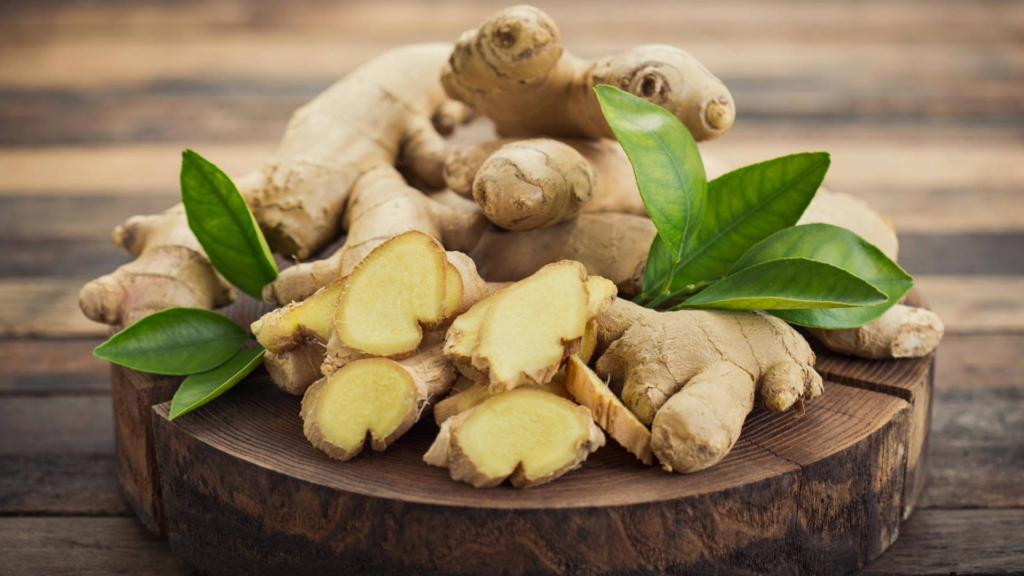
Ginger is a well-established natural remedy. People have used it for centuries to support immune function and aid digestion.
With genuine anti-inflammatory properties, ginger supports immune function while promoting healthy blood flow to aid the body’s energy production.
Ginger is also commonly used to support digestion and reduce nausea, which can indirectly support more consistent energy levels — a body digesting well tends to absorb nutrients from food more effectively.
How to add it: Use fresh or ground ginger in smoothies, tea, and stir-fries. Grate it into salad dressings or use it as a topping on roasted vegetables.
4. Turmeric
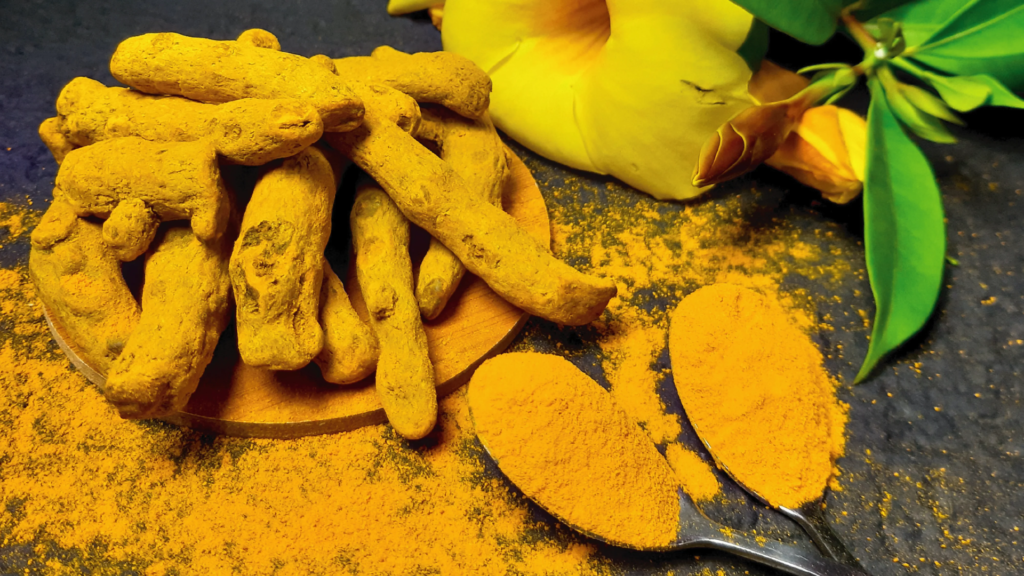
Turmeric is a well-known inflammation fighter, used for centuries thanks to its genuinely potent anti-inflammatory properties.
Turmeric’s active compound, curcumin, is associated with reduced inflammation and support for a healthy immune response. Lower systemic inflammation can, in turn, support more consistent energy levels.
Turmeric is also traditionally used to support liver and digestive health, which plays a supporting role in keeping the body’s systems functioning well overall — particularly valuable heading into cold and flu season.
How to add it: Add turmeric to cooked dishes, or combine it with warm milk (dairy or plant-based) and a pinch of black pepper — pepper meaningfully improves curcumin absorption — for a comforting golden-milk drink.
5. Nuts and Seeds
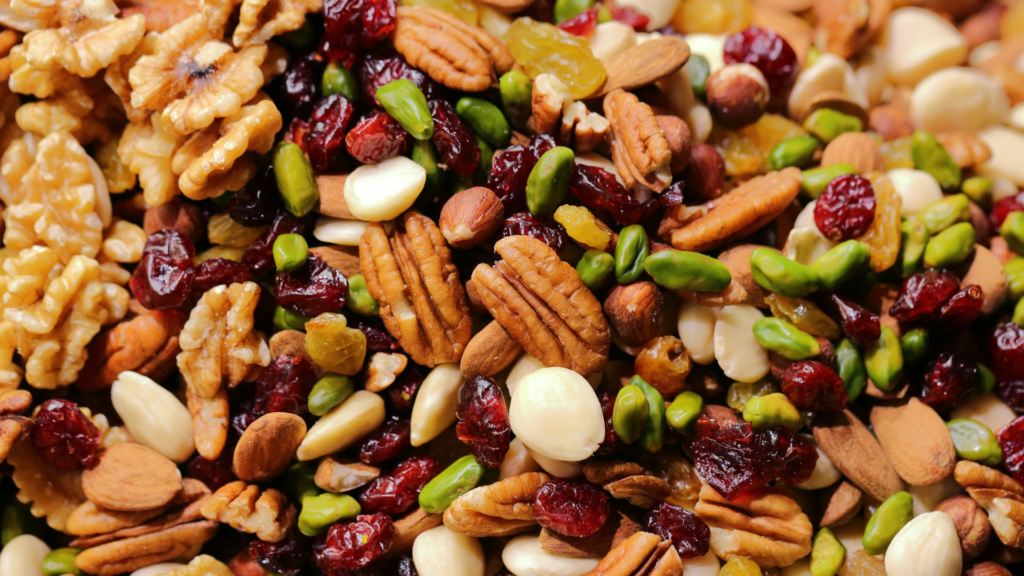
Nuts and seeds — especially almonds, walnuts, chia, and flaxseeds — supply healthy fats, fibre, and protein that deliver longer-lasting energy while helping stabilise blood sugar levels.
Good nutrition plays a real role in helping your body avoid the sudden energy dips that come from blood sugar swings, and nuts and seeds are a genuinely useful tool for that.
Their nutrient density — including zinc, vitamin E, and omega-3 fatty acids — also supports immune function. Zinc, in particular, plays a role in activating immune cells that help fight infection.
How to add it: Mix nuts and seeds into salads and yoghurt, blend them into smoothies, eat a small serving as a standalone snack, or add nut butter to oatmeal or toast.
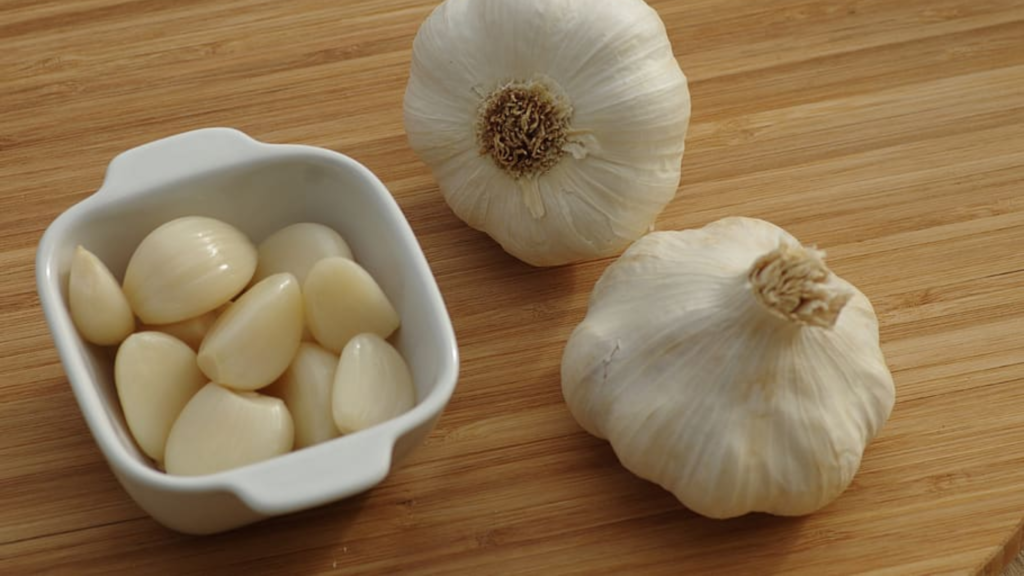
6. Garlic
Garlic has been used for centuries to support immune health. Its key active compound, allicin, has documented antibacterial, antiviral, and antifungal properties.
Some research suggests regular garlic intake may help reduce the frequency or severity of cold symptoms, alongside supporting general immune function.
Garlic also supports healthy circulation, which in turn can help maintain more consistent energy levels throughout the day.
How to add it: Use garlic in stir-fries, soups, sauces, and roasted vegetables. For maximum benefit, crushed raw garlic added to a smoothie or eaten directly is the most potent form — though not everyone’s preference.
7. Citrus Fruits
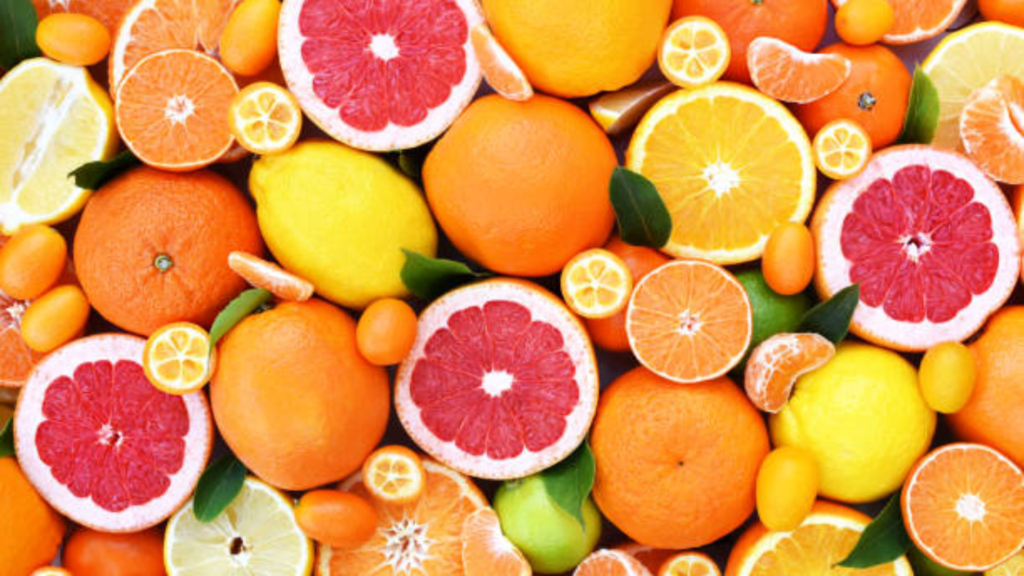
Citrus fruits are a genuine vitamin C powerhouse. Oranges, grapefruit, lemons, and limes all deliver meaningful vitamin C, which supports immune defences by helping your body produce white blood cells that fight infection.
Vitamin C also acts as an antioxidant, helping protect cells from damage and supporting the body’s natural repair processes. It’s also involved in the body’s stress response, which can indirectly support more stable energy levels.
How to add it: Start your morning with a glass of fresh orange juice, or add lemon or lime to water for an easy vitamin C boost. Citrus also works well blended into smoothies or used to brighten up salads and desserts.
Conclusion
A genuinely healthy diet supports both better energy and stronger immunity. Making consistent nutrition choices around foods like these can meaningfully support both, over time.
These foods deliver nutrients that help fight inflammation while supporting digestion, immune response, and steadier energy throughout the day.
Eating more spinach, berries, ginger, turmeric, nuts, seeds, and citrus fruits gives your body genuinely useful nutrients to function well. You don’t need to overhaul your entire diet at once — start by adding them one step at a time.
Consistent, small changes in the kitchen add up — helping you feel steadier and better equipped to handle everyday life. And these seven are just a starting point; there are plenty more nutrient-dense foods worth exploring beyond this list.
Frequently Asked Questions
What are superfoods and why are they important for health?
Superfoods are nutrient-dense natural foods rich in vitamins, minerals, antioxidants, and healthy fats that help boost energy levels and strengthen the immune system.
How do superfoods help boost immunity naturally?
Superfoods provide essential nutrients like vitamin C, zinc, antioxidants, and anti-inflammatory compounds that support immune cell function and protect the body from infections.
Can superfoods really increase daily energy levels?
Yes, superfoods like spinach, nuts, seeds, and berries help improve blood flow, oxygen transport, and nutrient absorption, which leads to sustained energy throughout the day.
Why is spinach considered a powerful superfood?
Spinach is rich in iron, magnesium, vitamins C and E, and beta-carotene, which help improve energy production and protect the immune system from oxidative stress.
How do berries support immunity and energy?
Berries are high in antioxidants and vitamin C, which help fight inflammation, strengthen immunity, and provide natural energy without sudden sugar crashes.
What role do ginger and turmeric play in immune health?
Ginger and turmeric have strong anti-inflammatory and antioxidant properties that enhance immunity, improve digestion, and support better energy production.
Are nuts and seeds good for long-term energy?
Yes, nuts and seeds provide healthy fats, protein, fibre, omega-3 fatty acids, zinc, and vitamin E, which help stabilize blood sugar and support immune function.
How does garlic improve immunity and overall health?
Garlic contains allicin, which has antibacterial, antiviral, and antifungal properties, helping protect against infections and improve circulation.
Why are citrus fruits essential for immune support?
Citrus fruits are rich in vitamin C, which boosts white blood cell production, reduces cell damage, and supports stress management and energy levels.
How can I add more superfoods to my diet without overhauling my meals?
Superfoods can be added through smoothies, salads, soups, teas, snacks, and simple cooking methods without major changes to your daily meals.