
10 Vastu Tips to maintain Positive Energies around you!
This article gives general information and is not medical advice. If you are worried about your health, speak to a qualified doctor. In India, Tele-MANAS offers a free 24-hour mental health helpline on 14416.
“Positive anything is better than negative anything.” — Elbert Hubbard
Quick answer: Vastu Shastra is a traditional Indian design philosophy that offers practical, low-cost ways to make a home feel calmer and more harmonious — decluttering, better lighting, mindful colour choices, and thoughtful furniture/mirror placement. These are best understood as traditional wellbeing and design practices rather than scientifically proven effects; many people find them genuinely helpful for creating a more pleasant living space, independent of any belief in the underlying philosophy.
Key Takeaways
- A decluttered, well-organised home is the single most impactful change most people can make.
- Small, low-cost adjustments (mirror placement, lighting, plants) can meaningfully change how a room feels.
- Most tips can be adapted for apartments, not just standalone houses.
- Treat these as traditional design guidance rather than guaranteed outcomes — the value is largely in creating a calmer, more intentional living space.
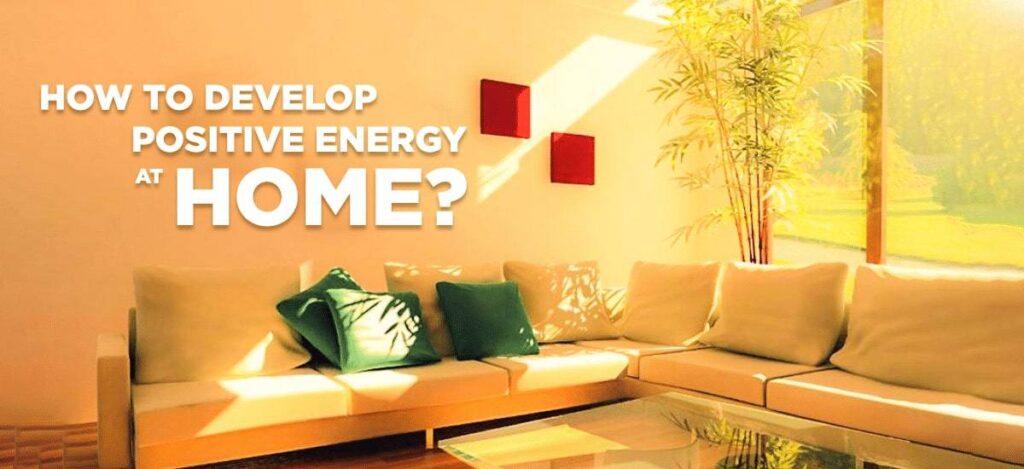
A positive home environment can genuinely support mental wellbeing — reducing daily stress and creating a calmer space to return to. Since home is where most of us spend the majority of our non-working time, it’s worth being intentional about how that space is arranged. Vastu Shastra, an ancient Indian architectural and design tradition, offers a structured set of principles for this. Here are 10 practical, easy-to-implement Vastu-inspired tips for a more harmonious home.
1. Clear the Clutter
Keeping your home clutter-free is the foundation of good Vastu — and good design generally. Remove broken, unused, or unwanted items (old newspapers, broken objects, empty boxes) regularly. A tidy, organised space genuinely feels calmer and can reduce daily friction and disagreements within a household.
2. Use Colour Thoughtfully
While light colours and white are common defaults, thoughtfully chosen accent colours can add warmth and character to a space. Colour psychology suggests certain tones (warm earthy shades, soft blues and greens) tend to feel calming, while overly stark or clashing colour schemes can feel unsettling — choose colours deliberately rather than defaulting to whatever’s convenient.
3. Keep the Entrance Welcoming
Your home entrance sets the tone for the whole house. Keep it clear of shoes, garbage, or clutter, and avoid crowding it with plant pots. Traditionally, doors are recommended to open inward rather than outward, and a threshold at the door frame is considered a way to symbolically separate outside disturbances from the home.

4. Place Mirrors Thoughtfully
Mirrors are a small detail with an outsized effect on how a room feels. In the bedroom, avoid positioning a mirror to directly face the bed — some believe this disrupts sleep quality, and it can also feel visually unsettling at night. Avoid placing a mirror directly opposite the main entrance, since it can make the space feel like energy (and, practically, visual focus) is pushed back outside rather than settling in the room.
5. Maximise Natural Light
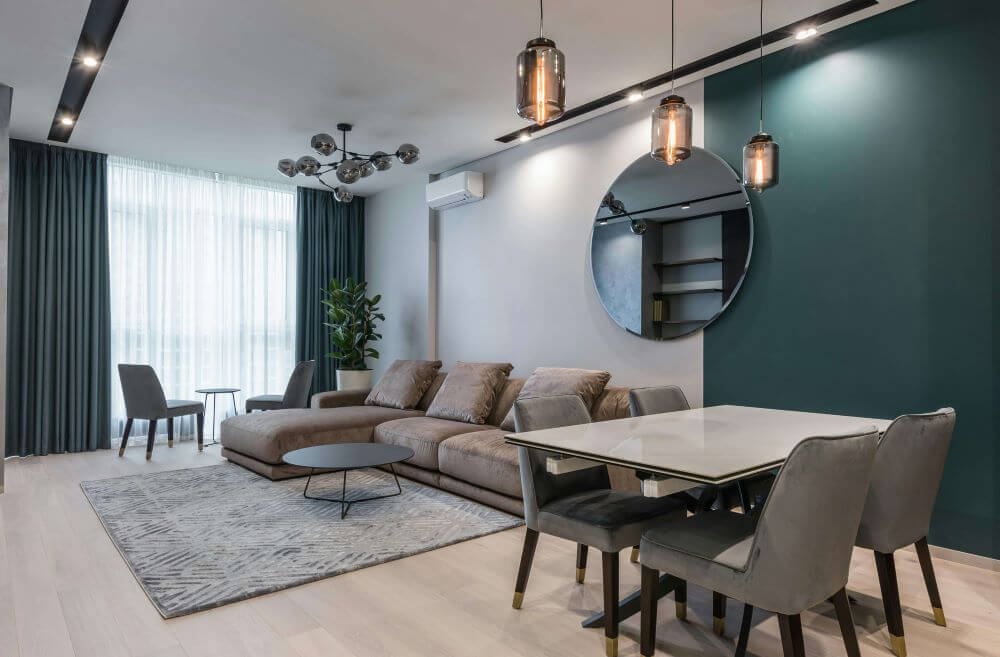
Sunlight is one of the simplest, most universally beneficial elements to bring into a home — it’s genuinely linked to better mood and vitamin D levels, beyond any traditional significance. Design your space (curtain choices, furniture placement) to let in as much natural light as reasonably possible during the day.
6. Add Gentle Sound
Soft sounds — wind chimes, gentle background music, or bells — can make a space feel more alive and less sterile. Traditional guidance suggests avoiding wind chimes or bells in the bathroom specifically, though the main practical point is simply that a completely silent, sterile home can feel less inviting than one with a little gentle ambient sound.
7. A Bowl of Salt in the Corners
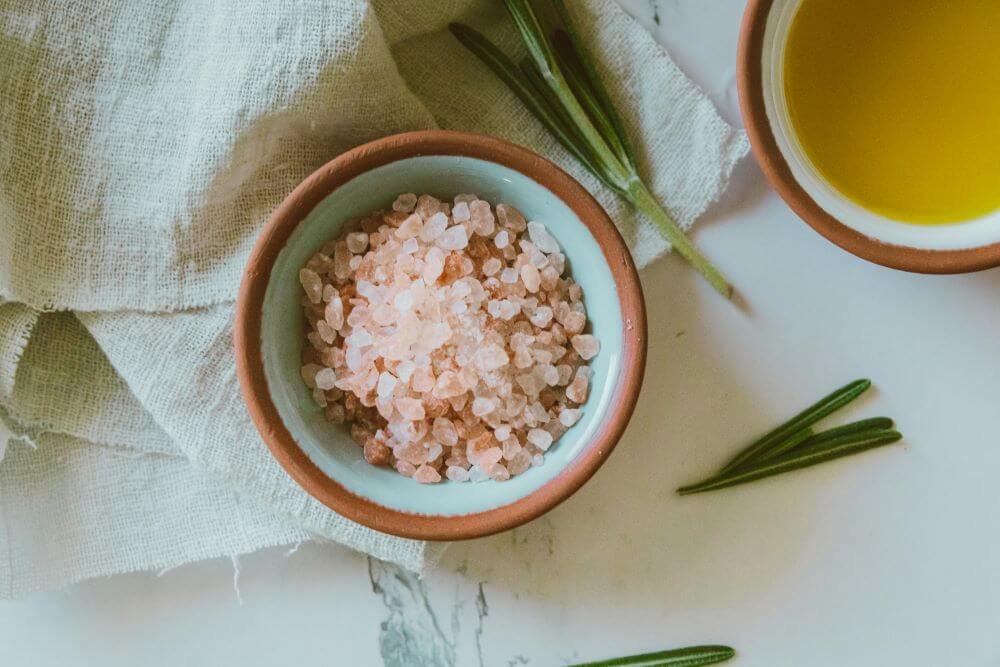
In Vastu tradition, salt is considered purifying and is placed in room corners in a small bowl of water, refreshed regularly. This is a traditional and symbolic practice rather than a scientifically studied one — if you try it, avoid letting used salt touch other water sources in the house, and dispose of it down a drain rather than leaving it out indefinitely.
8. Bring in Plants
Every home benefits from a good number of plants, even if that means an indoor herb garden or a few potted plants for apartment dwellers without outdoor space. Beyond tradition, there’s solid general wellbeing research linking indoor greenery to reduced stress and improved air quality — a genuinely well-supported reason to bring nature indoors.
9. Use Pleasant, Natural Fragrance
A pleasant, natural scent — incense, aromatic candles, or a simple air freshener — makes a home feel more inviting the moment someone walks in. Keep it subtle rather than overwhelming; a home that smells pleasantly neutral often feels more welcoming than one with an overpowering fragrance.
10. Face North While Working or Sleeping
Traditional Vastu guidance suggests orienting your desk, study space, or bed to face north, believed to support better energy flow and focus. Whether or not you follow the directional guidance strictly, the underlying practical point holds up well: a deliberately arranged, uncluttered workspace or bedroom does tend to support better focus and rest than a haphazard one.
These Vastu-inspired changes are simple, low-cost, and mostly reversible — worth trying regardless of how strictly you follow the underlying tradition, since a decluttered, well-lit, thoughtfully arranged home genuinely tends to feel calmer to live in.
Frequently Asked Questions
-
What is Vastu Shastra?
Vastu Shastra is an ancient Indian architectural and design tradition that focuses on arranging spaces in harmony with natural elements to promote wellbeing and a sense of balance in the home.
How does clutter affect the feel of a home?
Clutter can create a sense of stagnation and visual stress, while a clean, organised space tends to feel calmer and more conducive to daily wellbeing.
Why are colours considered important in Vastu Shastra?
Colours can meaningfully affect mood — warm, thoughtfully chosen tones tend to feel calming, while clashing or overly stark colour schemes can feel unsettling.
What role does the entrance play in Vastu Shastra?
The entrance is considered the gateway for energy into a home. A clean, welcoming, obstruction-free entrance is thought to allow positive energy — and simply a good first impression — into the space.
Why should mirrors be placed carefully according to Vastu?
Mirror placement affects how light and space feel in a room. Traditional guidance suggests avoiding mirrors facing the bed or the main entrance directly.
How does sunlight contribute to a positive home environment?
Natural sunlight is linked to improved mood and vitamin D levels, and traditional Vastu principles similarly emphasise maximising natural light in the home.
What role does sound play in Vastu Shastra?
Gentle sounds like wind chimes or soft music can make a space feel more alive, while traditional guidance suggests avoiding them in bathrooms specifically.
Why is salt used in Vastu Shastra?
Salt is traditionally believed to absorb negative energy and purify spaces; a small bowl of salt in room corners, refreshed regularly, is a common practice.
How do indoor plants contribute to a home’s atmosphere?
Indoor plants add a natural touch and are genuinely linked in general wellbeing research to reduced stress and improved indoor air quality.
What types of fragrances are recommended for the home?
Subtle, pleasant natural scents from incense, candles, or air fresheners are generally recommended over strong or overwhelming fragrances.
Why is facing north considered beneficial in Vastu Shastra?
North is traditionally associated with favourable energy flow for focus and rest; more broadly, a deliberately arranged, uncluttered workspace or bedroom tends to support better concentration and sleep regardless of direction.
Can Vastu Shastra principles benefit families living together?
A calmer, more organised, thoughtfully arranged home can reduce everyday friction and support a more harmonious household environment.
Can Vastu Shastra practices be adapted for apartments?
Yes — most tips (decluttering, plants, colour choices, mirror and furniture placement) can be adapted for apartment living even without a standalone house’s full layout flexibility.
Is Vastu Shastra based on religious beliefs?
Vastu Shastra has roots in ancient Hindu texts, but its practical principles are generally applied as design and wellbeing guidance rather than religious ritual.
How quickly might someone notice a difference after making these changes?
Effects vary by person, but many people report a noticeable improvement in how a space feels — calmer, more organised — fairly soon after decluttering and rearranging, since these changes have an immediate visual and practical impact.