
The Power of Positive Spaces: Vastu for House
This article gives general information and is not medical advice. If you are worried about your health, speak to a qualified doctor. In India, Tele-MANAS offers a free 24-hour mental health helpline on 14416.
Quick answer: Vastu Shastra for a house isn’t just about a few general tips (cleanliness, light, colour) — it’s traditionally applied room by room, since different spaces are believed to benefit from different orientations and layouts. This guide focuses specifically on room-by-room Vastu guidance; for general whole-home tips like decluttering, colour choices, and fragrance, see our companion guide on 10 Vastu tips for positive energy.

“Home is where love resides, memories are created, friends and family belong, and laughter never ends.” Our homes are meant to be sanctuaries — calming, comfortable, and rejuvenating.
Key Takeaways
- Vastu Shastra applies different principles to different rooms based on their function and typical activity level.
- Bedrooms, kitchens, and the main entrance are traditionally given the most specific placement guidance.
- These are traditional guidelines, not scientifically proven rules — many people find them useful as a structured design framework regardless of belief in the underlying philosophy.
- Most guidance can be adapted for existing homes, not just new construction.
Bedroom: Rest and Recovery
Traditional guidance suggests sleeping with your head facing south or east, which is believed to support better rest — and regardless of tradition, a bed positioned away from the door with a clear view of the room entrance tends to feel more secure and conducive to relaxation. Avoid placing a mirror directly facing the bed, and keep electronics to a minimum in the space meant for winding down.
Kitchen: The Fire Element’s Place
The kitchen is traditionally associated with the fire element and is often recommended in the south-east corner of the home. Practically speaking, whatever the orientation, a well-ventilated kitchen with the cooking stove positioned so the cook doesn’t have their back to the door tends to feel more comfortable and functional to work in.
Living Room: Where Energy Should Flow Freely
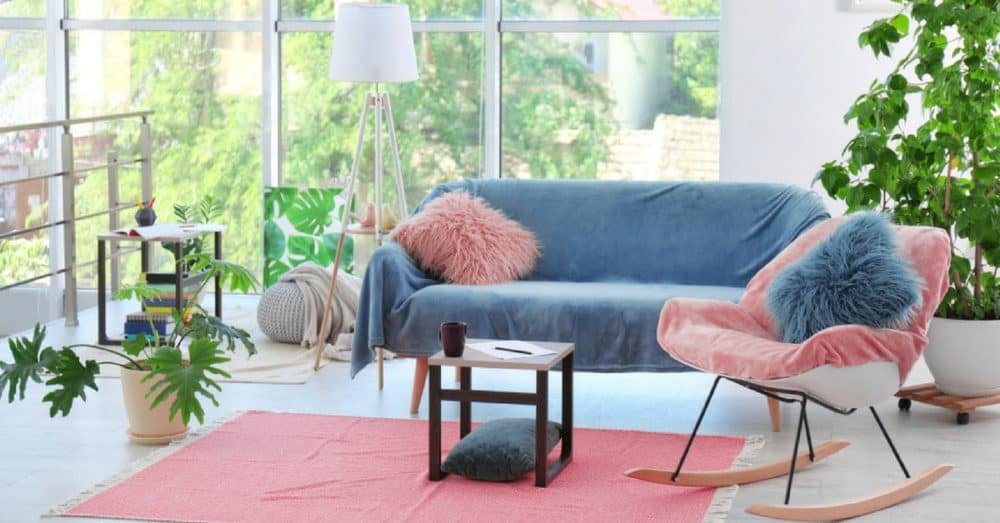
As the space where family and guests gather most, the living room benefits from open, uncluttered furniture arrangement that allows easy movement. Traditional guidance favours placing heavier furniture along the south or west walls, keeping the north and east more open to allow light and movement through the room.
Study or Home Office: Supporting Focus
A study or work desk is traditionally best placed facing east or north, aligned with the idea that this supports concentration and clarity. Beyond tradition, a desk positioned to face a window or open space (rather than a wall) and kept clear of clutter is a well-supported, practical way to support focus.
Bathroom: Placement Matters
Bathrooms are traditionally recommended in the north-west corner of the home, and are generally kept separate from the puja (prayer) space or kitchen where possible. Regardless of tradition, good ventilation and separation from food-preparation areas is simply sound, practical hygiene.
Puja (Prayer) Room: A Space Apart
If your home includes a dedicated prayer space, it’s traditionally placed in the north-east corner, considered the most auspicious direction, and kept away from the bathroom and bedroom for a sense of separation and calm.
General Whole-Home Elements That Support Every Room
Beyond room-specific placement, a few general principles apply throughout the home: keep each room reasonably decluttered, maximise natural light wherever possible, and choose calming, non-clashing colour palettes rather than defaulting to whichever colour is convenient. For a fuller list of these whole-home practices — including tips on entrances, mirrors, and fragrance — see our detailed Vastu tips guide.
Applying This to an Existing Home
You don’t need new construction to apply Vastu principles — most guidance can be adapted through furniture rearrangement, decluttering, and small layout adjustments rather than structural changes. Start with the room you spend the most time in (usually the bedroom or, for many, the study/home office) and adjust from there rather than trying to overhaul the entire home at once.
These principles are best understood as a traditional, structured framework for thoughtful home design rather than scientifically proven rules — many people find real value in the intentionality they encourage, independent of belief in the underlying philosophy.
Frequently Asked Questions
What is Vastu Shastra and why is it applied room by room?
Vastu Shastra is a traditional Indian architectural and design philosophy. It’s applied room by room because different spaces (bedroom, kitchen, study) are traditionally associated with different elements and functions, each with its own placement guidance.
What is the traditional Vastu placement for a bedroom?
Sleeping with the head facing south or east is traditionally recommended, along with positioning the bed away from the door and avoiding a mirror directly facing the bed.
Where should the kitchen be located according to Vastu?
The kitchen is traditionally placed in the south-east corner of the home, associated with the fire element, with the stove positioned so the cook doesn’t face away from the door.
What is the ideal Vastu placement for a study or home office?
A study or work desk is traditionally best placed facing east or north to support focus and clarity, ideally positioned to face a window rather than a blank wall.
Where should the bathroom be placed in a Vastu-compliant home?
Bathrooms are traditionally recommended in the north-west corner, kept separate from the kitchen and puja (prayer) space.
Where is the puja (prayer) room traditionally placed?
The puja room is traditionally placed in the north-east corner of the home, considered the most auspicious direction, and kept away from the bathroom and bedroom.
Can Vastu principles be applied to an existing home, not just new construction?
Yes — most guidance can be adapted through furniture rearrangement, decluttering, and small layout changes rather than requiring structural renovation.
What general Vastu principles apply across the whole home?
Keeping rooms decluttered, maximising natural light, and choosing calming colour palettes apply throughout the home, beyond the room-specific placement guidance.
Is Vastu Shastra scientifically proven?
No — Vastu Shastra is a traditional design philosophy rather than a scientifically validated system. Many people find value in the structured intentionality it brings to home design, independent of belief in its underlying claims.
How long does it take to notice a difference after making Vastu-inspired changes?
This varies by person, but decluttering and rearranging furniture typically has an immediate, noticeable effect on how a space feels, even before considering any traditional significance.
Are there specific Vastu guidelines for different rooms in a house?
Yes — bedrooms, kitchens, studies, bathrooms, and puja rooms each have their own traditional placement and orientation guidance, distinct from general whole-home principles like decluttering and lighting.
How does Vastu Shastra relate to modern interior design?
Many modern design principles — decluttering, maximising natural light, thoughtful furniture placement — overlap naturally with Vastu guidance, even without explicit reference to the tradition.
Is Vastu Shastra a religious practice?
Vastu Shastra has roots in ancient Hindu texts, but its practical guidance is generally applied as architectural and design principles rather than religious ritual.