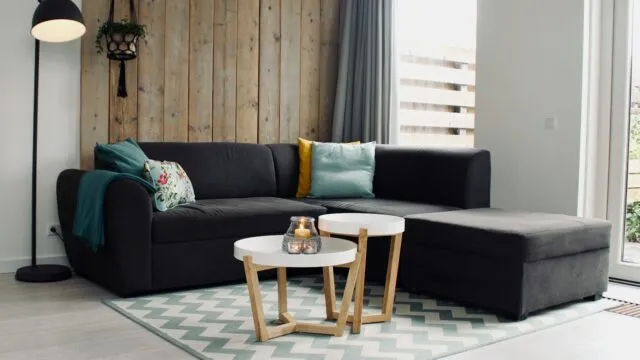
Home Lighting Done Properly: Layers, Colour Temperature and Common Mistakes
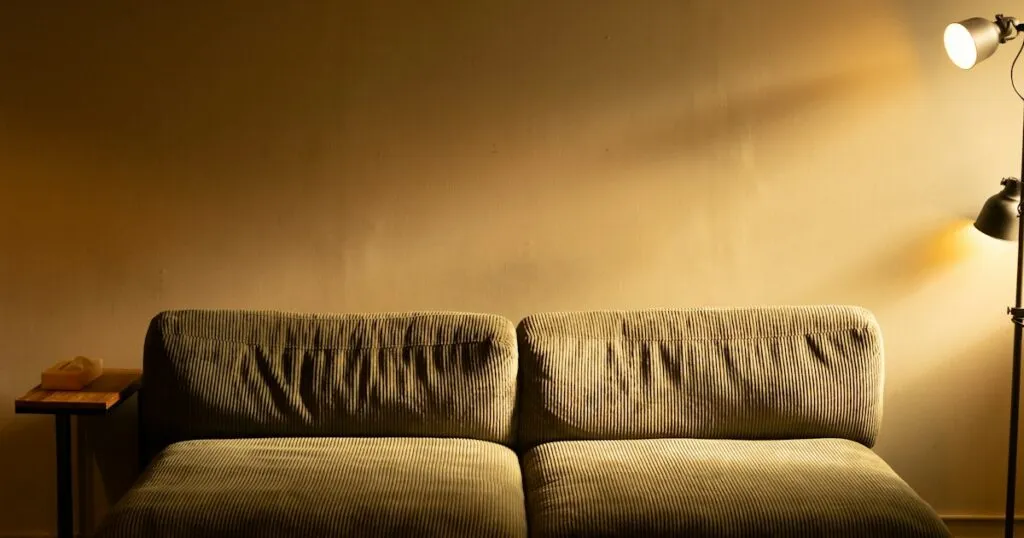
A well-lit room has at least three separate sources of light at different heights, not one bright fitting in the middle of the ceiling. That single central light — usually a cool white tube or a flat panel — is the default in most Indian homes and it is the main reason rooms feel flat, clinical and smaller than they are. It lights the floor adequately and everything else badly.
The good news is that lighting is unusually cheap to improve. Adding two lamps and changing a few bulbs transforms how a room feels for a fraction of what paint or furniture costs, and unlike most decorating decisions it is reversible.
What are the three layers?
Lighting designers think in layers rather than fittings, because each layer does a different job. A room that has all three can be bright when you need it and soft when you do not; a room with only the first is stuck on one setting.
The thing that makes layering work is that the sources sit at different heights. Light coming only from the ceiling flattens everything and casts shadows downward on faces, which is why rooms lit that way feel unflattering without anyone being able to say why. Add light at table height and at eye level and the room acquires depth.
The practical minimum for a living room: the existing ceiling light, one floor or table lamp in a corner, and one more lamp diagonally opposite. Three sources, two of them low. That alone does most of the work.
Which colour temperature goes where?
Colour temperature is measured in kelvin and printed on every bulb box, and getting it wrong is the most common lighting mistake in Indian homes. Lower numbers are warmer and yellower; higher numbers are cooler and bluer.
That last line is the rule that fixes the most rooms. A ceiling light at 6500K with a warm table lamp beside it reads as a mistake even to someone who knows nothing about lighting, because the two colours of light fight. Pick one temperature per room and make every bulb in it match.
The reason so many Indian homes default to 6500K is that cool white looks brighter for the same wattage and was heavily marketed as such, and because a bright-white room reads as clean. It is a reasonable choice for a kitchen worktop or a bathroom mirror. In a bedroom or living room it makes the space feel like an office, and — since bright bluish light in the evening affects how easily you wind down — it works against the room’s actual purpose. Our guide to sleep hygiene covers that side of it.
How much light does a room need?
Brightness is measured in lumens, not watts. Watts tell you electricity consumed, which was a useful proxy for brightness with incandescent bulbs and is meaningless across LED types — two 9-watt LEDs from different manufacturers can differ substantially in output.
Rough guidance rather than a formula: a bedroom wants gentle overall light with brighter pools where you read; a kitchen wants genuinely bright light on the worktop specifically; a living room wants moderate ambient light with several brighter pools. Rather than calculating, use the test that matters — can you do the activity comfortably, and does the room feel pleasant when you are not doing it?
- Read lumens on the box, and compare like with like between bulbs.
- Put the brightness where the work is. A bright worktop with a softer ceiling beats a blazing ceiling and a shadowed counter — which is what you get when you stand at a worktop with the light behind you.
- Use several modest sources rather than one powerful one. Same total light, far better result.
- Add dimming where you can. A dimmable living room light is the cheapest way to make one room serve both daytime and evening.
One technical note worth knowing when buying: colour rendering index, printed as CRI or Ra. A higher value means colours look more like themselves under that light. Cheap LEDs with low CRI make skin look grey and fabrics look muddy, which people usually blame on the paint. Look for CRI 80 or above, and 90 or above where colour matters, such as a dressing area or a kitchen.
What are the common mistakes?
The under-cabinet point is the highest-value fix in any kitchen. Standing at a worktop with the only light source behind you means you work in your own shadow, which is both unpleasant and genuinely unsafe with knives. A strip light under the wall cabinets costs little, is often plug-in rather than wired, and is immediately noticeable.
Bathroom mirrors deserve a mention too. A single light above the mirror throws shadows downward across the face, which is why shaving and makeup are difficult in most bathrooms. Light at either side of the mirror at roughly face height solves it.
What can you fix without an electrician?
A surprising amount, which makes lighting the best-value improvement available to renters as well as owners. Nothing in this list requires wiring.
- Change the bulbs to a consistent warm white. Start with the room you spend evenings in. The effect is immediate and costs very little.
- Add a floor lamp in a corner. Corners are where rooms look dark; lighting one makes the whole space feel larger.
- Add a table lamp diagonally opposite. Two low sources plus the ceiling is the three-layer minimum.
- Put a plug-in strip under the kitchen cabinets. Adhesive or clip-fixed options need no drilling.
- Use a plug-in dimmer or a smart bulb to get evening and daytime settings from one fitting.
- Put an uplighter behind a large plant or a chair. The cheapest accent layer there is, and it adds visible depth.
- Replace a bare bulb with a shade. Glare makes a room uncomfortable; diffusion makes the same bulb pleasant.
Do them in that order and stop when the room feels right. Most living rooms need only the first three, and the total cost is less than a single piece of furniture — which is the argument for treating lighting as the first decorating decision rather than the last one, after the budget has gone.
Lighting also changes how paint reads, so the two decisions belong together: a colour chosen under showroom daylight can look completely different under warm bulbs at home. Our guide to choosing paint colours for Indian homes covers that, and small living room ideas and a bedroom makeover on a budget both lean heavily on lighting for their biggest effects. For festive lighting specifically, see Diwali decoration ideas on a budget. More in our home and lifestyle section.
Why does my room feel flat even though it is bright?
Because all the light comes from one source in the middle of the ceiling. Light from a single high point flattens everything and casts shadows downward. Adding two sources at low level, such as a floor lamp and a table lamp, gives the room depth without changing the total brightness much.
What colour temperature should I use at home?
Warm white, around 2700 to 3000K, for living rooms, bedrooms and hallways. Neutral, 3500 to 4000K, for kitchen worktops, bathroom mirrors and study desks. Reserve 5000K and above for garages and utility areas. Most importantly, keep every bulb in one room the same temperature.
Is 6500K cool white bad?
Not inherently, but it is wrong for living spaces. It looks brighter for the same wattage and reads as clean, which is why it became the Indian default, and it makes bedrooms and living rooms feel like offices. Bright bluish light in the evening also works against winding down.
Should I buy bulbs by watts or lumens?
Lumens, which measure light output. Watts measure electricity consumed and were only a useful brightness proxy for incandescent bulbs, so two LEDs of the same wattage from different manufacturers can differ substantially in how much light they give.
What is CRI and why does it matter?
Colour rendering index, printed as CRI or Ra, indicates how accurately colours appear under that light. Low-CRI LEDs make skin look grey and fabrics look muddy, which people usually blame on their paint. Look for 80 or above, and 90 or above where colour matters.
What is the best lighting fix for a kitchen?
Under-cabinet strip lighting. Standing at a worktop with the only light behind you means working in your own shadow, which is unpleasant and unsafe with knives. A strip under the wall cabinets is inexpensive, often plug-in rather than wired, and immediately noticeable.
Can renters improve lighting without any wiring?
Yes, and lighting is the best-value improvement available to renters. Changing bulbs to a consistent warm white, adding a corner floor lamp and a table lamp opposite, fitting an adhesive under-cabinet strip, and using a plug-in dimmer or smart bulb all require no drilling or wiring.