
How to Choose Paint Colours for Your Home: A Practical Guide for Indian Homes

A colour that looks perfect on a shade card can look completely different on your wall. The reason is light and undertone. This guide shows how to work with both, how to choose by room, and how to avoid expensive repainting. It pairs well with our small living room ideas and bedroom makeover guide.
Key takeaways
- Test colours on the actual wall in daylight and lamp light.
- Light colours make rooms feel larger; dark colours add drama but need good light.
- Stick to one main colour, one secondary and one accent.
- Prepare the wall properly. Peeling or damp walls ruin even the best colour.
How does light change paint colour?
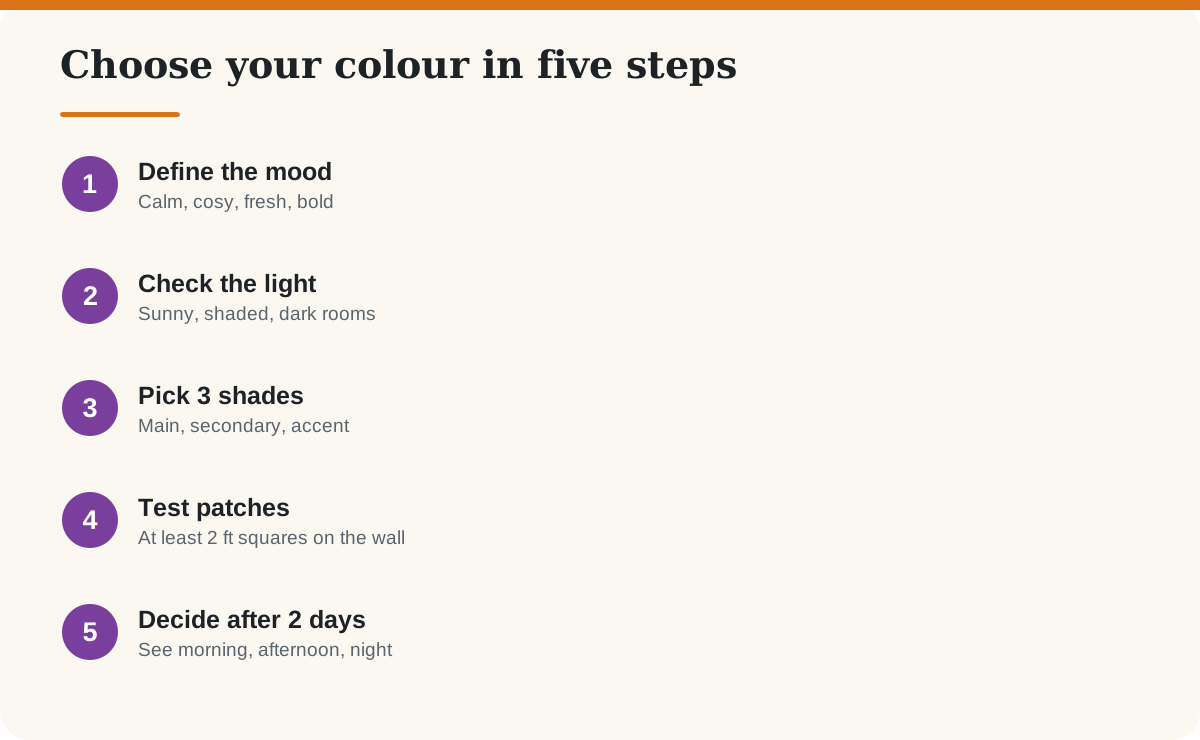
Natural light changes through the day and with the direction your windows face. Rooms with strong, warm sunlight can make cool colours look softer, while rooms with little daylight can make colours look darker and duller. Bulbs matter too: warm-white lights make colours look yellower, cool-white lights make them look bluer. Always judge a shade in the light you actually use.
Which colours suit which room?
| Room | Ideas | Why |
|---|---|---|
| Living room | Warm whites, beige, soft greys, muted greens | Welcoming for guests; pairs with many furniture styles |
| Bedroom | Soft blues, sage green, dusty pink, warm neutrals | Restful tones suit sleep |
| Kitchen | Light, cheerful shades in a washable finish | Cleans easily |
| Kids’ room | Soft colours with one playful accent wall | Easy to update as they grow |
| Home office | Light greens, greys or soft blues | Calm and focused |
| Pooja area | Warm yellows, creams or whites | Bright and serene |
These are common design suggestions, not rules. If you follow Vastu, you can check our Vastu for house guide, and balance it with how you actually use the room.
Which finish should you use?
How do you prepare walls and estimate paint?
- Fix the cause of damp first. Seepage, leaks or efflorescence will return and spoil the paint.
- Repair cracks, sand and clean the wall, then apply primer.
- Estimate quantity: wall area (length × height, minus doors and windows) × number of coats ÷ the coverage per litre printed on the tin. Add a small allowance for wastage.
- Choose reputable low-odour, lead-free paints and ventilate the room while painting and drying.
- Time it well: painting in dry weather helps walls dry properly.
If you are building or renovating, read 10 tips for building your dream home. Festive refresh? See Diwali decoration on a budget.
Frequently asked questions
How do I choose the right paint colour for my room?
Consider the room’s light and purpose, choose one main shade and an accent, test large patches on the wall and view them at different times of day before deciding.
Why does paint look different on the wall than on the shade card?
Light, surrounding colours and wall texture change how a colour looks. Test on the actual wall in the lighting you use.
What colours make a small room look bigger?
Light neutrals and soft pastels reflect more light and make rooms feel more open.
Which paint finish is best for a bedroom?
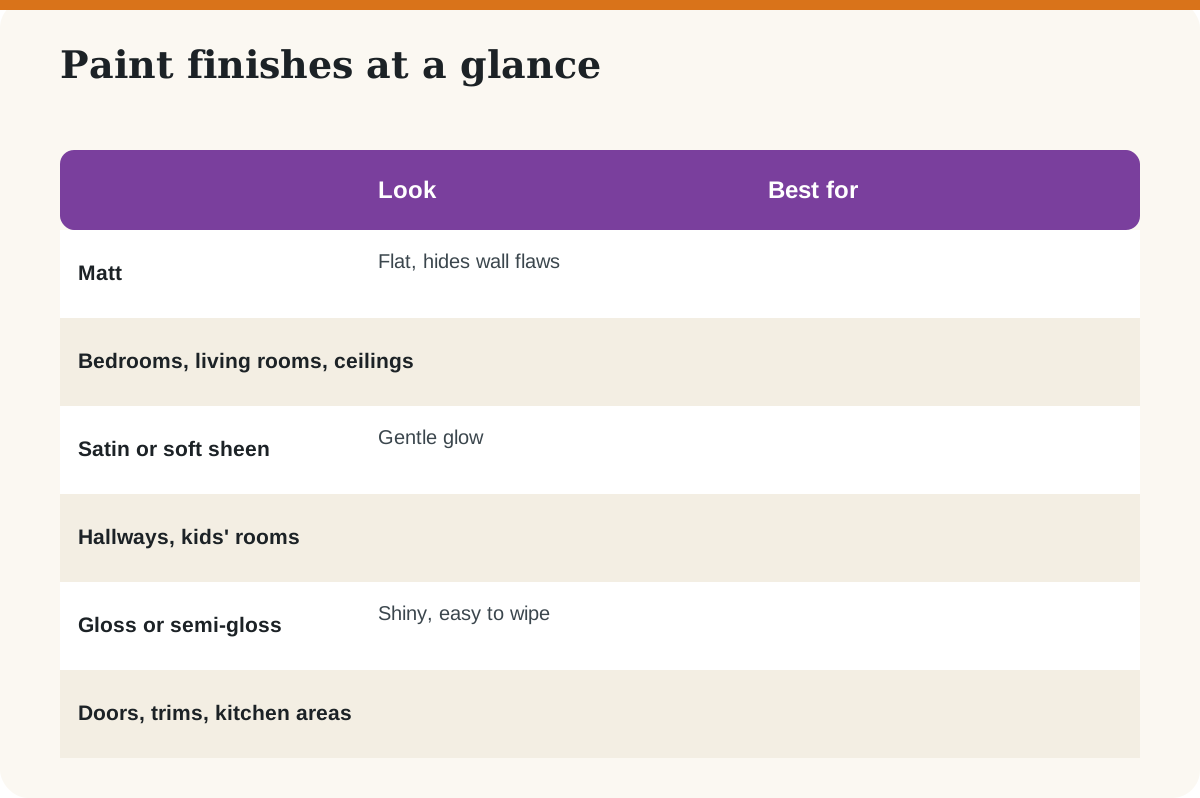
Matt is a popular choice because it looks soft and hides small wall flaws, but choose according to how much cleaning the walls need.
Should I use a primer?
Yes, usually. Primer helps paint stick, evens out the surface and improves coverage, especially on new or repaired walls.
How do I calculate how much paint to buy?
Multiply wall area by the number of coats and divide by the coverage per litre on the product label. Add a little extra for wastage and touch-ups.
Last checked: October 2026. Colour suggestions are design guidance, not rules. Follow your paint manufacturer’s instructions for preparation, coverage and safety.