
Sleep Hygiene: 12 Habits for Better Sleep (What Actually Helps)

This article gives general information and is not medical advice. If you are worried about your health, speak to a qualified doctor. In India, Tele-MANAS offers a free 24-hour mental health helpline on 14416.
Poor sleep affects mood, focus and health, and most of us have tried to fix it with a quick trick. What works better is a set of small, repeatable habits. This guide lists them, explains why they help, and tells you when sleep problems need medical attention. It is general information, not medical advice.
Key takeaways
- Adults aged 18 to 60 need 7 or more hours (CDC).
- A consistent wake-up time matters more than going to bed early some days.
- Light, caffeine, alcohol and late meals all affect sleep quality.
- Long-lasting insomnia, loud snoring or daytime sleepiness deserve a doctor’s visit.
How many hours of sleep do you need?
Most adults need at least 7 hours. The CDC lists 7 or more hours for ages 18 to 60, 7 to 9 hours for ages 61 to 64 and 7 to 8 hours for ages 65 and older. Needs vary slightly between people, but regularly sleeping much less leaves most people tired and less able to concentrate.
What are the best sleep hygiene habits?
Habits for your schedule
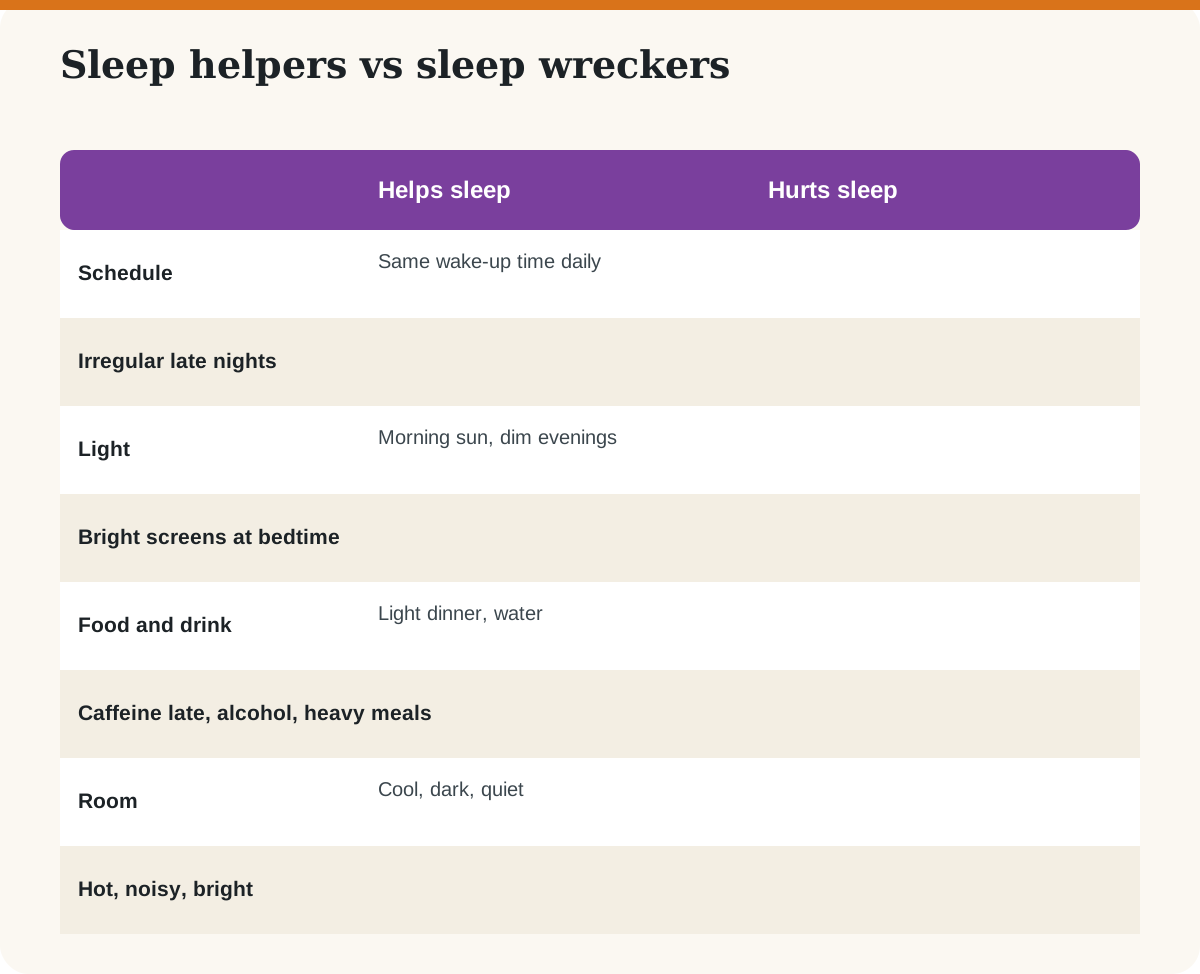
- Keep the same bedtime and wake time every day, including weekends, as far as possible.
- Get daylight in the morning. A short walk helps set your body clock.
- Keep naps short and avoid late-afternoon naps if you struggle at night.
- Exercise regularly, but finish vigorous workouts a few hours before bed.
Habits for your bedroom
- Keep it cool, dark and quiet. Use curtains, an eye mask or earplugs if needed.
- Use the bed for sleep. Avoid working or scrolling in bed.
- Choose a comfortable mattress and pillow.
- Keep the phone away from the bed or on silent, with notifications off.
Habits for food, drink and mind
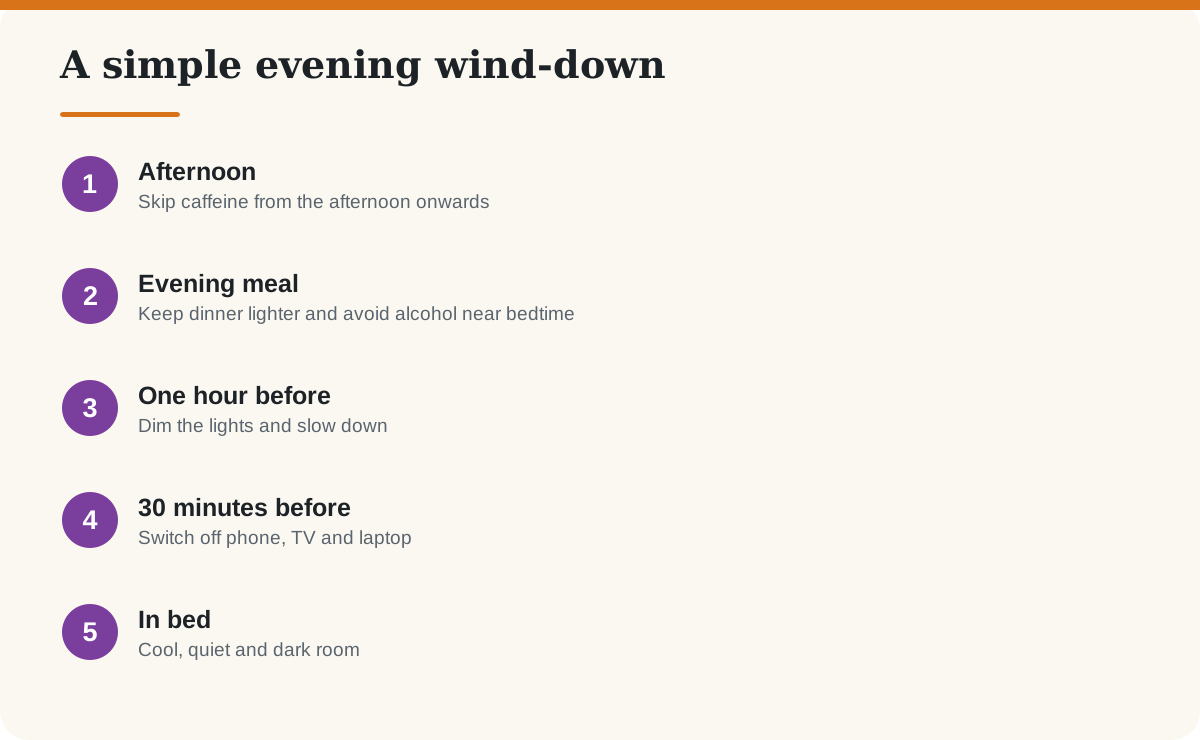
- Limit caffeine from tea, coffee, cola and energy drinks in the afternoon and evening.
- Avoid alcohol and large meals before bed. Alcohol may make you drowsy but disrupts sleep later in the night.
- Write down worries earlier in the evening so they are not in your head at night.
- Try slow breathing or meditation. See our guide to meditation for inner peace.
What if you cannot fall asleep?
If you are awake for what feels like 20 minutes or more, get up, keep the lights low and do something calm, such as reading a paper book or gentle stretching, until you feel sleepy. Avoid checking the clock repeatedly. For stress-related sleeplessness, read how to manage work stress and 5 quick tips for stress and anxiety.
When should you see a doctor about sleep?
Talk to a healthcare provider if you regularly have trouble sleeping, or notice signs of a sleep disorder such as insomnia, restless legs, loud snoring with pauses in breathing (possible sleep apnea) or excessive daytime sleepiness. A doctor may suggest a sleep diary or tests. Do not rely on sleeping pills without medical advice. Low mood that lasts is another reason to seek help; see depression types and symptoms.
Frequently asked questions
What is sleep hygiene?
Sleep hygiene is a set of daily habits and bedroom conditions that make it easier to fall asleep and stay asleep, such as a regular schedule, limiting caffeine and keeping the room dark and quiet.
How many hours of sleep do adults need?
The CDC recommends 7 or more hours for adults aged 18 to 60, 7 to 9 hours for ages 61 to 64 and 7 to 8 hours for ages 65 and older.
Is it bad to use my phone before bed?
CDC advice is to switch off electronic devices at least 30 minutes before bedtime. Screens can keep your mind active and delay winding down.
Does a nap help or hurt sleep?
Short naps can help, but long or late naps may make it harder to sleep at night. If you have trouble sleeping, keep naps brief and earlier in the day.
Does alcohol help you sleep?
It may make you feel sleepy at first but tends to disrupt sleep later in the night, so it is best avoided close to bedtime.
When is poor sleep a sign of a medical problem?
See a doctor if trouble sleeping is frequent or lasts for weeks, or if you have loud snoring with breathing pauses, restless legs or severe daytime sleepiness.
Sources
Last checked: October 2026. This article is for general information and does not replace advice from a doctor.