
Indian Classical Dance Forms: The 8 Recognised Styles, Their Origins and Features

Classical dance in India is not one tradition but many, shaped by regions, temples, courts and communities. Understanding the basics helps you enjoy performances and choose a style if you want to learn. This guide introduces the eight recognised forms, the elements they share and tips for beginners. Some lists mention additional forms, such as Chhau, so you may see different counts in different sources.
Key takeaways
- Eight forms are recognised by the Sangeet Natak Akademi.
- All combine rhythm (nritta), expression (nritya) and storytelling (natya) in different proportions.
- Hand gestures (mudras), facial expressions and footwork are central.
- Choose a form by the music, costume and movement you enjoy, then find a qualified guru.
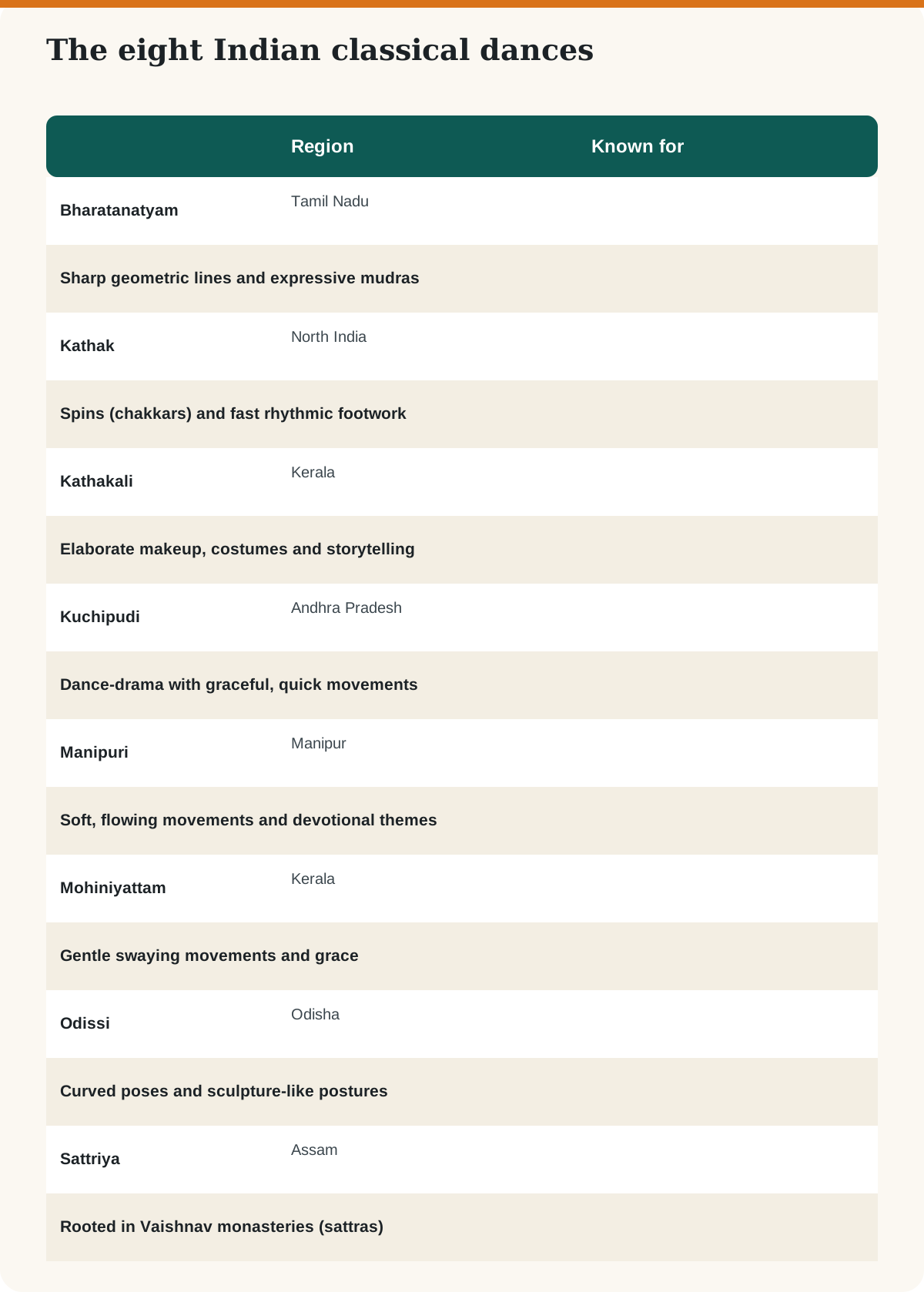
What are the eight classical dance forms of India?
What do all classical dances have in common?
- Nritta: pure dance, rhythm and movement without narrative meaning.
- Nritya: expressive dance that conveys emotions and stories through gesture and face.
- Natya: dramatic presentation, often with a character and plot.
- Mudras and abhinaya: hand gestures and expressions that carry meaning.
- Music and rhythm: traditions draw on Carnatic or Hindustani music and traditional percussion.
Many traditions look to the Natya Shastra, an ancient treatise on performing arts attributed to the sage Bharata, as an important reference. Exactly how each form developed is studied by historians and practitioners and is sometimes debated, so be wary of single-line origin claims.
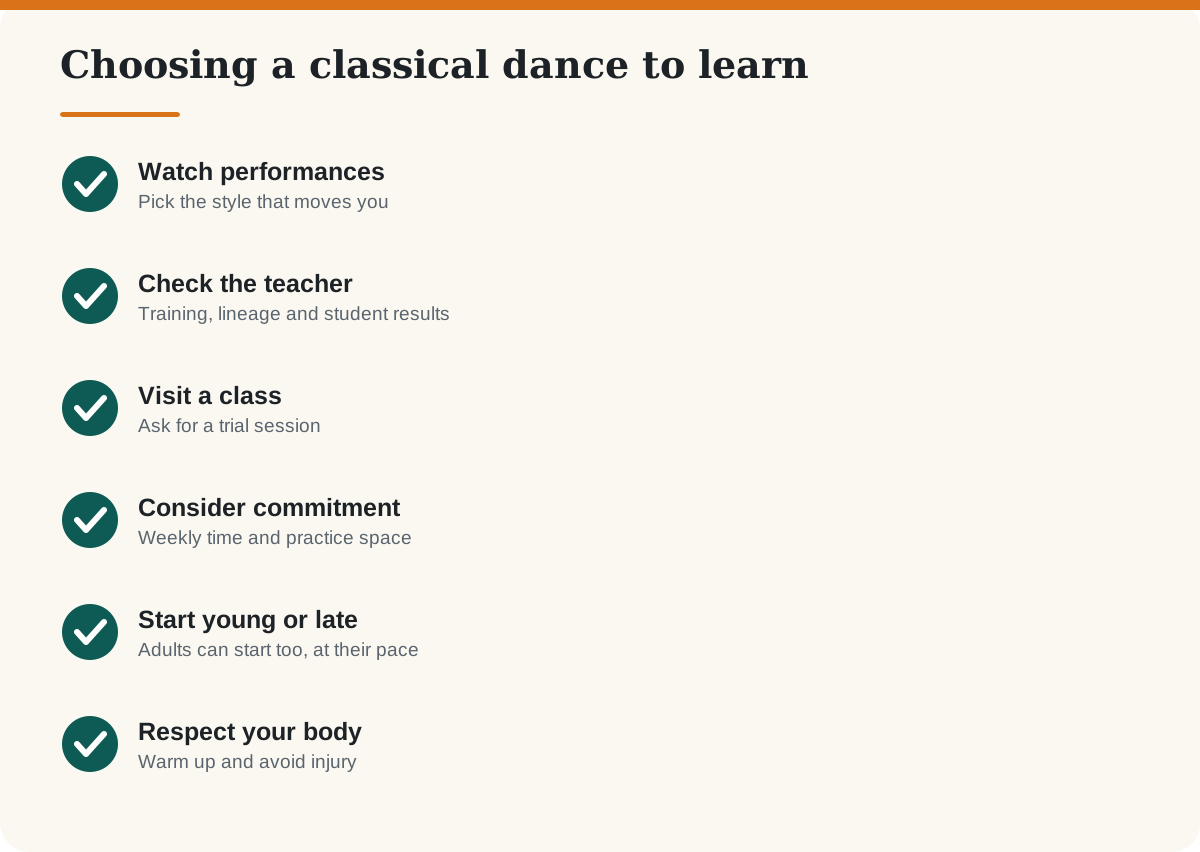
How do you choose a dance form to learn?
What should you watch for as an audience member?
Notice the rhythm of the footwork, the hand gestures and the dancer’s eyes and face. Read the programme notes if available to understand the story. Learn a few basics: the sound of ankle bells (ghungroo), the role of the orchestra and the idea of storytelling through expression. Many cultural festivals and temples across India host performances throughout the year.
Interested in other Indian art traditions? Read about Madhubani painting, Warli art, rangoli and mehndi designs. For a contemporary fusion story, see Kunal Om, the flamenco visionary.
Frequently asked questions
How many classical dances are there in India?
The Sangeet Natak Akademi recognises eight: Bharatanatyam, Kathak, Kathakali, Kuchipudi, Manipuri, Mohiniyattam, Odissi and Sattriya. Some sources list additional forms such as Chhau.
Which classical dance is the oldest?
It is difficult to say. Many forms draw on ancient traditions and texts, but their present forms developed over time and historians differ on origins.
Which classical dance is best for beginners?
There is no single best. Choose the style you enjoy watching and find a good teacher. Bharatanatyam, Kathak and Odissi are widely taught in many cities.
What is the difference between Bharatanatyam and Kathak?
Bharatanatyam, from Tamil Nadu, is known for geometric lines and mudras. Kathak, from North India, is known for spins and fast rhythmic footwork.
Can adults learn classical dance?
Yes. Many adults begin later. Go at your pace, warm up properly and learn from a qualified teacher.
What is the Natya Shastra?
An ancient Sanskrit treatise on performing arts attributed to the sage Bharata, widely referred to in Indian dance and drama traditions.
Last checked: October 2026. Classical dance traditions are diverse and evolving; this is an introductory overview, not a scholarly history.