
Easy Rangoli Designs for Beginners: Dots, Freehand, Flower and Kolam Ideas

Rangoli is a traditional floor art made at doorsteps and courtyards to welcome guests and, in many homes, deities, especially around festivals. It goes by different names across India, and each region has its own style. This guide gives beginner-friendly designs, materials, steps and tips. If you are planning festive decor, pair it with our Diwali decoration ideas on a budget.
Key takeaways
- Start small and simple: a circle with petals is enough.
- Use chalk or a stencil for guidelines.
- Rice flour, flower petals and coloured powder all work.
- Regional forms include Kolam, Alpana, Muggu, Rangavalli, Aipan and Mandana.
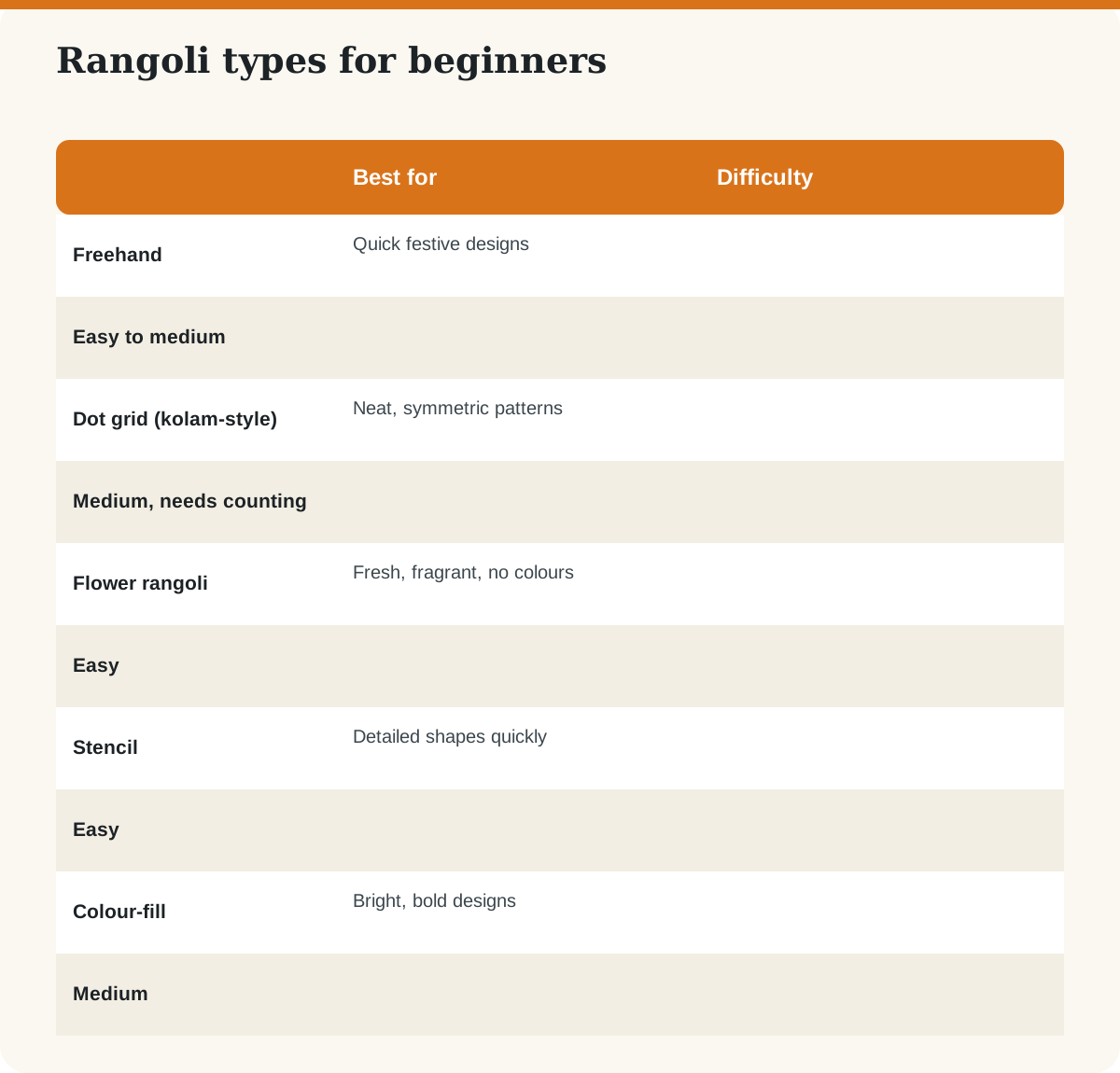
What are the main types of rangoli?
What do you need?
- Chalk or a white pencil for outlines.
- Rice flour, coloured powder or rangoli colours; natural options include turmeric and kumkum.
- Marigold, rose or other flower petals and leaves.
- A stencil, spoon or small funnel to control the flow of powder.
- Diyas or battery tea lights for the border.
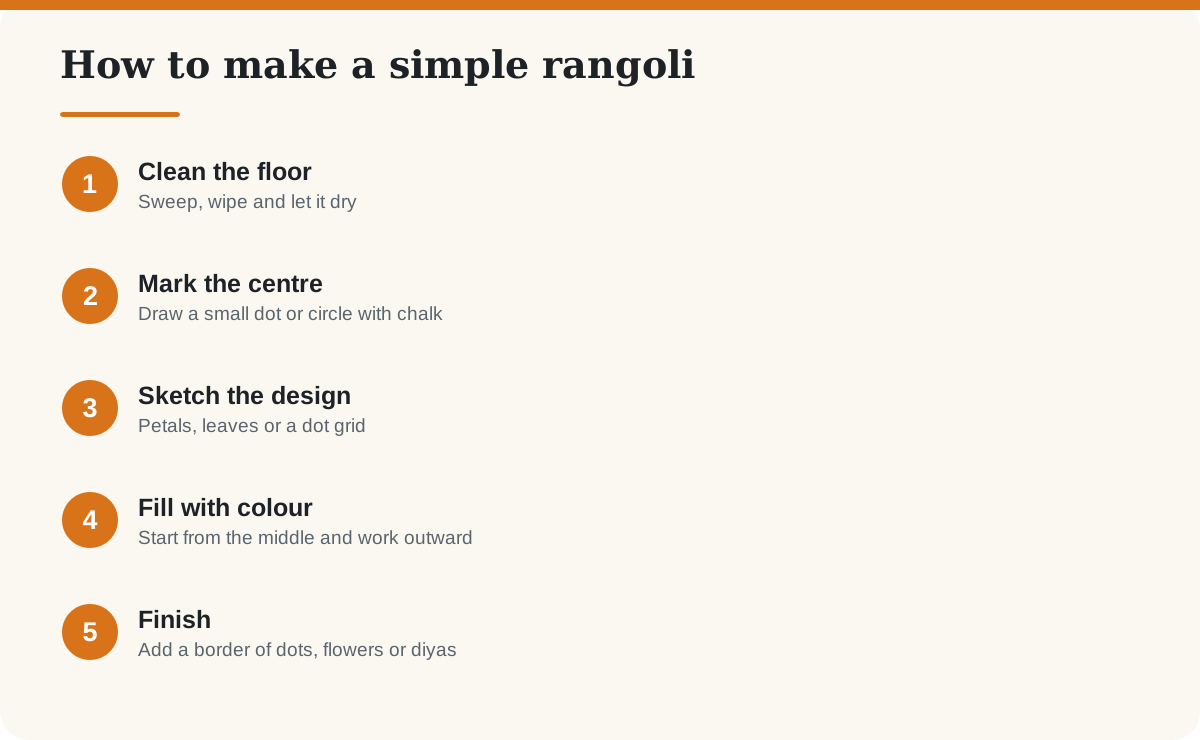
Which easy design ideas can you try?
- Petal circle: draw a circle, add 8 or 12 petals around it, and fill alternate petals in two colours.
- Diya rangoli: draw a diya outline in the centre, fill with orange and yellow flames and surround with dots.
- Peacock feather: use blue, green and gold teardrops layered from the centre.
- Marigold mandala: arrange marigold petals in rings of orange and yellow around a central lamp.
- Dot-line kolam: place a grid of dots and connect them with continuous curving lines.
What are the regional names of rangoli?
| Name | Where it is common |
|---|---|
| Kolam | Tamil Nadu |
| Muggu | Andhra Pradesh and Telangana |
| Rangavalli | Karnataka |
| Alpana | West Bengal |
| Aipan | Uttarakhand |
| Mandana | Rajasthan |
Styles, materials and meanings differ from family to family. If you follow a tradition, ask elders for the designs used in your home.
Tips for a neat result
- Practise on paper first and keep a photo for reference.
- Use contrast: dark outlines on a light floor or white outlines on a dark one.
- Protect your rangoli from wind and rain in open spaces; flower rangoli can be placed on a tray or low table.
- Keep lamps away from loose powder, fabrics and walkways.
- For lasting art, try Warli-style drawings; see Warli art for beginners, or hand art like mehndi designs.
Frequently asked questions
What is rangoli?
Rangoli is a traditional Indian floor art made with coloured powder, rice flour or flowers, often at entrances during festivals to welcome guests.
What is the easiest rangoli for beginners?
A circle with petals, a flower rangoli or a stencil design are the easiest ways to start.
What can I use instead of rangoli colour powder?
Rice flour, turmeric, kumkum, flower petals, coloured rice, lentils or leaves are options.
How do I make rangoli last longer?
Make it in a sheltered spot, lightly dampen the floor before starting for better grip, and avoid foot traffic. Flowers can wilt in a day, so refresh them.
What is the difference between rangoli and kolam?
Kolam is the South Indian form, often drawn with rice flour in dot-and-line patterns. Rangoli is a broader term for similar floor art across India.
Can I make rangoli on a balcony or apartment entrance?
Yes. Use a stencil or a reusable rangoli mat or tray if the floor is not suitable, and follow your society’s rules.
Last checked: October 2026. Rangoli traditions and meanings vary by region and family; these are general beginner ideas.