
Discover the World of Mehndi Designs: From Tradition to Modern Glam 9 Mehndi Designs
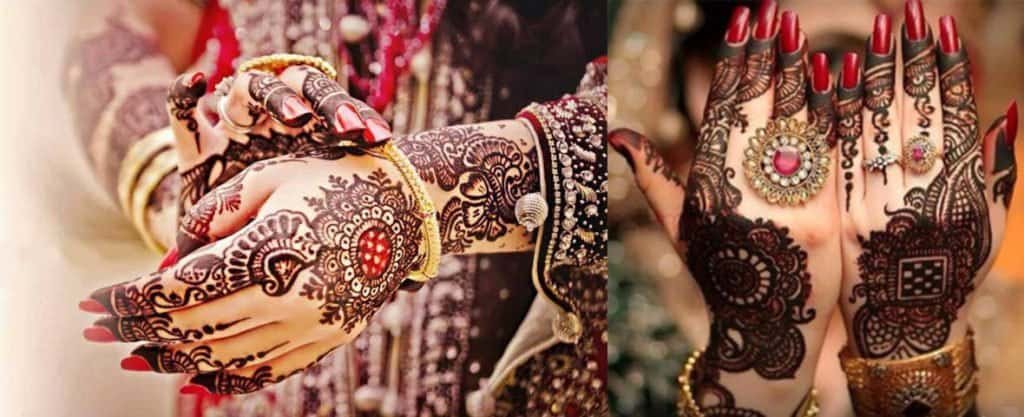
Mehndi, a timeless tradition rooted in the Indian subcontinent — including India, Pakistan, Nepal, Bangladesh, and the Maldives — holds deep cultural and spiritual significance. Once confined to South Asian rituals and celebrations, this ancient art has now found admiration across borders, from festive gatherings in the Middle East to modern events in the US and UK.
Mehndi holds deep cultural significance in Indian tradition. Whether at weddings, Karva Chauth, or Teej, mehndi designs play an important role across ceremonies and festivals. It’s considered a Vedic custom alongside haldi (turmeric), symbolically representing both the outer and inner sun — believed to awaken inner light.
As with most traditions, mehndi styles have modernised over time, with new patterns adding a more glamorous, contemporary touch. Since a wedding is one of the most significant days in a person’s life, mehndi functions almost like an ornament for the bride — important enough that many weddings dedicate an entire function to it, popularly known as the Mehndi Ceremony.
In Indian tradition, mehndi’s symbolic meaning is often linked to fertility, alongside the popular belief that a darker mehndi shade on the bride’s hands reflects the depth of the groom’s love — a saying often repeated by elders. The ceremony itself centres on the bride’s beautification, and mehndi is also applied during important festivals and fasts (vrats) in Hindu culture, considered a shagun (auspicious sign).
Most Famous Patterns of Mehndi Designs in India
Many people choose their mehndi pattern based on the occasion and personal preference. Some prefer keeping things simple and minimalistic with Arabic designs, where the pattern is sparse and doesn’t cover the entire hand.
Floral mehndi patterns are increasingly popular, since they’re less intricate than some traditional styles and can be extended all the way to the elbows or shoulders for those who love full-arm coverage.
Another all-time favourite is the peacock pattern. Given how visually striking peacocks are, many mehndi designs feature them prominently — a peacock centrepiece surrounded by heavy meshwork and leafy detail tends to look alluring and sophisticated, which explains its enduring popularity.
Geometric patterns are also trending, offering a simpler, less elaborate look — often preferred for smaller family functions where a clean, understated design fits better.
How to prepare perfect mehndi paste for a dark colour and divine smell
9 Famous Types of Mehndi Designs
Now that we’ve covered how to prepare mehndi paste for a strong, dark print, let’s look at the various mehndi design styles so you can choose one that genuinely reflects your taste.
1. Indian Mehndi Designs

Indian mehndi designs are genuinely intricate and detailed, giving hands the feel of a hand-illustrated manuscript. These designs are especially popular for weddings and Karva Chauth, often depicting birds, animals, kalash motifs, and even illustrations of the bride and groom.
2. Arabic Mehndi Designs

As the name suggests, this style originates from the Arab world and looks quite different from Indian designs. Arabic mehndi typically features spaced-out floral and cashew (paisley) patterns with heavier shading, and it has a large following of its own.
3. Indo-Arabic Mehndi Designs

Many people are drawn to elements of both Indian and Arabic styles and find it hard to choose just one — Indo-Arabic designs solve that by fusing Indian floral patterns, birds, and animal motifs with Arabic-style cashew shapes and shading, delivering the best of both traditions in one design.
4. Pakistani Mehndi Designs

Pakistani mehndi designs share plenty in common with Indian ones, but typically skip figurative depictions of the bride, groom, or kalash — replacing them instead with domes, leaves, and floral patterns, with noticeable influence from Arabic styles.
5. Western Mehndi Designs

Mehndi’s appeal isn’t limited to South Asian audiences — the Western world has embraced it too, though often framed as “henna tattoos” rather than mehndi. These designs typically look quite different from traditional patterns, drawing on geometric shapes and jewellery-inspired motifs like bracelets and anklets.
6. Indo-Western Mehndi Designs
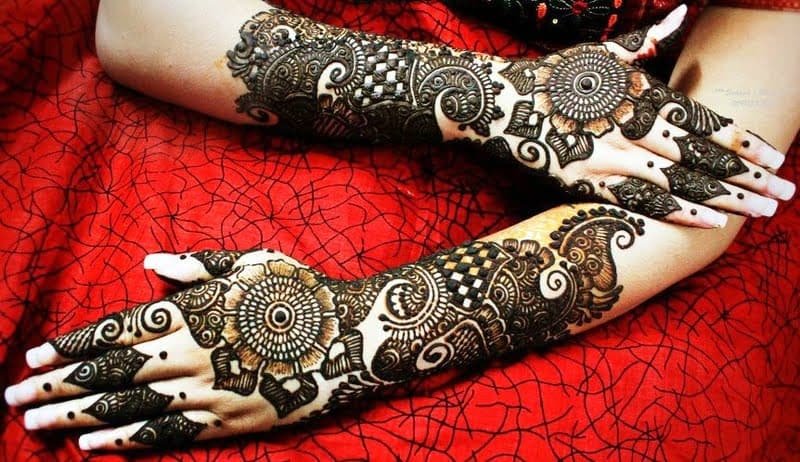
These designs blend East and West — a style statement for those who like spaced-out, modern-looking patterns with a hint of traditional Indian influence woven in.
7. Moroccan Mehndi Designs
Moroccan mehndi stands genuinely apart from the other styles here, drawing inspiration from traditional tribal symbols and patterns rather than the floral or figurative motifs common elsewhere.

Designs typically centre on a diamond-shaped motif with zigzag lines and geometric curves. It can look quirky at first glance, but there’s genuine aesthetic appeal in its simplicity.
These are the core mehndi styles as originally drawn — but many people like to accessorise further with glitter and colour for a more elaborate finish.

8. Glitter Mehndi Designs
With glitter mehndi, the base design is drawn with regular henna, then enhanced with glitter and decorative stones once dry. Glitter colours are typically chosen to complement the underlying design.

9. Colourful Mehndi Designs
More recently, people have started incorporating colour alongside — or in place of — traditional henna for a more vibrant final look. A combination of colour and henna is common, all aimed at creating more visually striking, refreshing designs on the hands.
There are many more mehndi styles found around the world, but the ones above represent the most popular and widely tried. This guide is meant to help you get familiar with the leading styles so you can decide which one genuinely suits you — and honestly, trying a couple out is the best way to find out.
Frequently Asked Questions
-
What is the cultural significance of mehndi in Indian traditions?
Mehndi holds deep cultural importance in Indian traditions, symbolizing good fortune, love, fertility, and the awakening of inner light. It plays a vital role in weddings, festivals like Karva Chauth and Teej, and is considered a sacred shagun (auspicious sign).
Which are the most popular mehndi designs in India?
The most popular designs include Indian traditional mehndi, Arabic, Indo-Arabic, Pakistani, peacock patterns, floral styles, and the ever-elegant geometric designs suited for minimal looks.
How can I make my mehndi color darker and long-lasting?
To achieve a darker shade, use fresh, high-quality henna, add natural ingredients like lemon and essential oils, let the paste rest before application, and avoid water for 24–48 hours post-removal.
What is the difference between Arabic and Indian mehndi designs?
Arabic designs are less intricate and more spaced out with bold floral patterns and shading, while Indian designs are detailed, dense, and include motifs like kalash, birds, and bride-groom illustrations.
Can Western or non-traditional mehndi designs be used for Indian events?
Absolutely — Western and Indo-Western mehndi styles, including geometric tattoos or bracelet-like designs, add a modern, chic touch and are becoming popular for casual and pre-wedding functions.
What’s the purpose of the Mehndi Ceremony in Indian weddings?
The Mehndi Ceremony is a joyful pre-wedding function celebrating beauty, love, and auspicious beginnings. It gives the bride and her loved ones time to relax, adorn themselves, and bond before the big day.
Are there any special mehndi patterns meant for brides?
Yes — bridal mehndi often includes intricate full-hand and full-leg designs, featuring portraits, traditional symbols, love motifs, and sometimes the groom’s initials hidden within the pattern.
How do I choose the right mehndi design for my event?
Choose based on the occasion — heavier Indian designs suit weddings, minimal Arabic styles work well for casual functions, Moroccan suits a tribal aesthetic, and glitter or colourful designs add a glam touch.
Is mehndi safe to use on all skin types?
Natural henna is generally safe and has cooling properties, but always do a patch test first, especially with coloured or glitter mehndi, which may contain additional additives or chemicals.
Can mehndi be used beyond hands and feet?
Yes — while traditionally applied to hands and feet, mehndi can also be creatively applied on arms, shoulders, and even as temporary designs on the back or neck for a more modern styling choice.