
How to Manage Work Stress: 10 Practical Ways That Fit a Busy Day

This article gives general information and is not medical advice. If you are worried about your health, speak to a qualified doctor. In India, Tele-MANAS offers a free 24-hour mental health helpline on 14416.
Deadlines, long commutes, demanding managers and always-on phones make stress a part of many working lives. A little pressure can help us perform, but ongoing stress can affect sleep, mood and health. This guide offers practical steps you can try this week. It is general information, not medical advice.
Key takeaways
- Name the source of stress. Different causes need different fixes.
- Small daily habits, such as breaks, movement and sleep, add up.
- Asking for help is a strength, not a weakness.
- Free support exists: Tele-MANAS 14416, available 24 hours a day.
How do you know it is stress, not just a busy week?
Short bursts of pressure before a deadline are normal. It is worth acting when stress lasts for weeks or shows up as poor sleep, constant tiredness, irritability, headaches, stomach upset, difficulty concentrating, dreading work or relying on alcohol or tobacco to cope. If low mood, hopelessness or anxiety are part of the picture, read about depression types and symptoms.
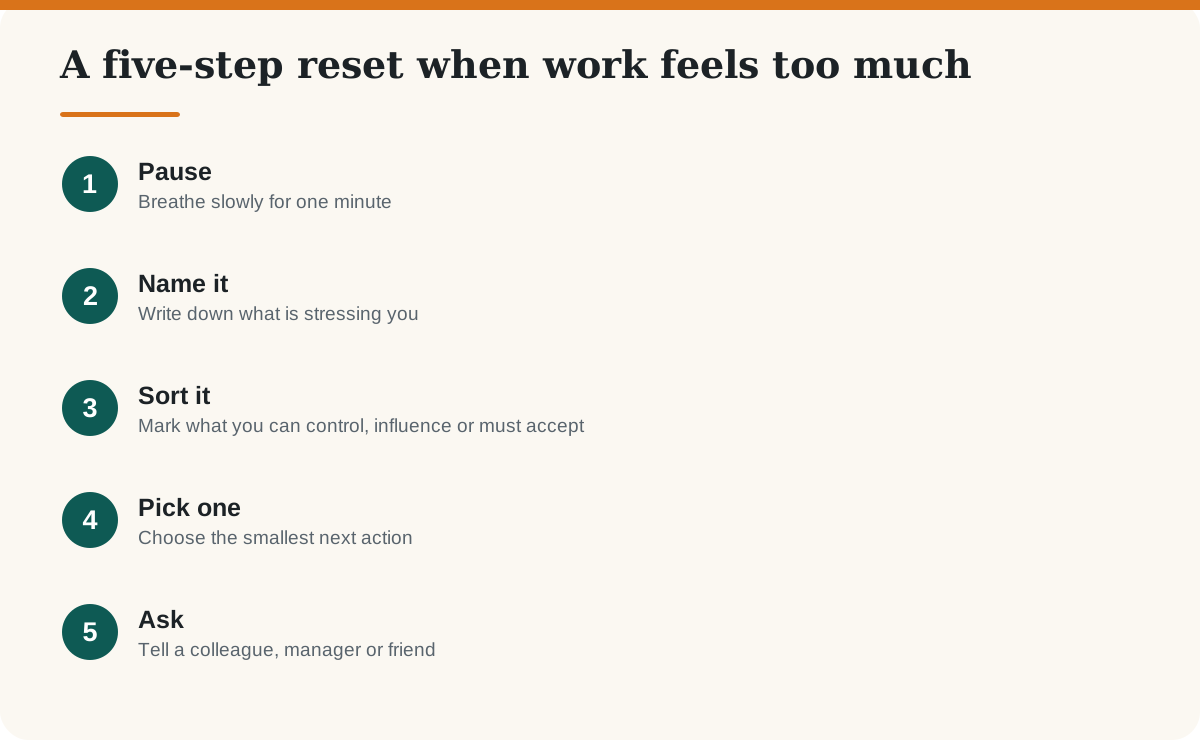
What are 10 practical ways to manage work stress?
- Plan the day the evening before. Choose your top three tasks.
- Break big tasks into small steps so progress is visible.
- Take real breaks. Stand up, stretch or walk for a few minutes every hour or two.
- Move your body. The WHO suggests at least 150 minutes of moderate activity a week for adults. See a 15-minute beginner yoga routine.
- Protect your sleep. Use our sleep hygiene habits.
- Set boundaries. Decide when you stop checking messages, and say no to extra work you cannot handle.
- Eat regular meals and drink enough water; see how much water to drink.
- Practise slow breathing or meditation for a few minutes; try meditation for inner peace.
- Talk to someone. A friend, family member, mentor or counsellor can help you see options.
- Limit coping habits that backfire, such as heavy caffeine, alcohol or doomscrolling.
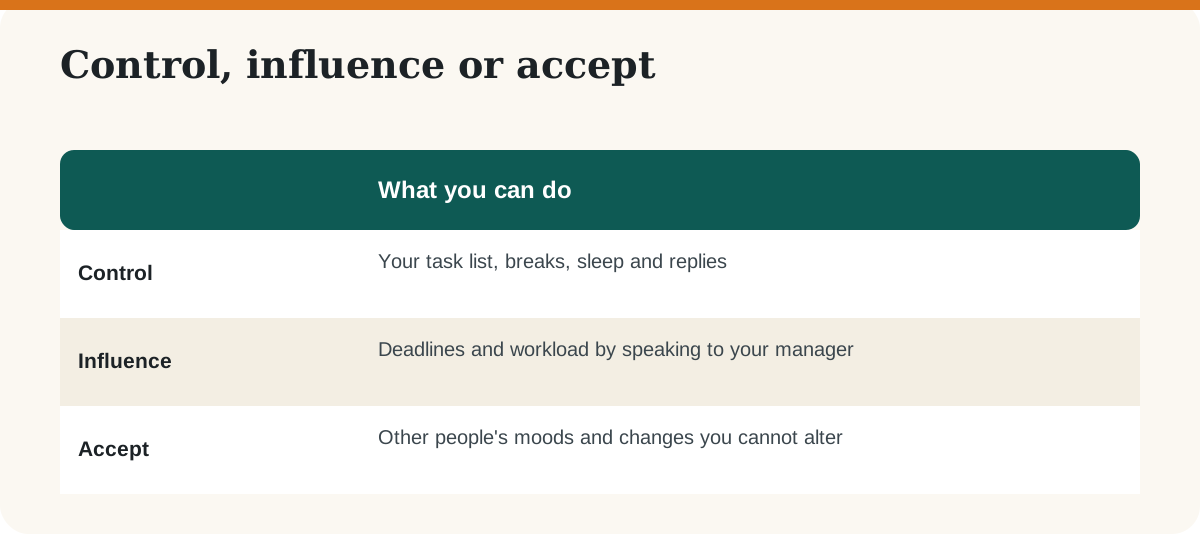
How do you talk to your manager about workload?
Come with facts, not complaints: list your current tasks and deadlines, say what is at risk, and propose options such as moving a deadline, dropping a lower-priority item or getting help. Ask for a short, specific decision. Put the agreement in writing afterwards.
Where can you get help in India?
Tele-MANAS is a free mental health helpline run by the Government of India. Call 14416 from anywhere in India; it is available 24 hours a day, 7 days a week. If you or someone else is in immediate danger or thinking about self-harm, call the emergency number 112, tell someone you trust and go to the nearest hospital. Your employer may also offer counselling support, and a doctor can advise on treatment. Read our tips for stress and anxiety and how to manage depression naturally.
Frequently asked questions
What is the fastest way to reduce stress at work?
Pause and breathe slowly for a minute, write down what is on your mind and pick one small next action. Short walks and breaks also help quickly.
What are common signs of work stress?
Poor sleep, tiredness, irritability, headaches, trouble concentrating, dreading work and using alcohol or tobacco to cope can all signal ongoing stress.
Is there a free mental health helpline in India?
Yes. Tele-MANAS is a free helpline run by the Government of India. Call 14416 from anywhere in India, 24 hours a day.
When should I see a doctor for stress?
See a doctor or counsellor if stress lasts for weeks, affects your sleep, appetite or relationships, or comes with low mood, panic or thoughts of self-harm.
Does exercise really help with stress?
Regular physical activity is linked with better mental health and sleep. The WHO recommends at least 150 minutes of moderate activity a week for adults.
Can I take a break from work for mental health?
Many workplaces allow leave or flexible arrangements. Speak to your HR team or doctor about options available to you.
Sources
Last checked: October 2026. This article is general information, not medical advice. If you are in distress, call Tele-MANAS on 14416 or the emergency number 112.