
10 cool Tips for building your absolute Dream Home. Step by Step guide!

Quick answer: Building a home well comes down to a few fundamentals: don’t rush decisions, define your actual needs before design begins, budget realistically across all construction stages (not just the visible ones), and plan room-by-room details — ventilation, kitchen layout, and living spaces — before finishes and decor. Below is a practical, stage-by-stage guide covering planning, layout, and finishing touches.
Key Takeaways
- Rushed decisions are the most common source of regret — structural and layout choices are expensive to change later.
- Budget realistically across every stage, not just the visible finishing touches.
- Kitchen ventilation and layout deserve early, deliberate planning — not an afterthought.
- Paint and structural work should be finished before decor purchases, to avoid mismatched colours and wasted spending.
Building your dream home is a journey that begins with imagination but requires careful planning and dedication to become reality. Since this is typically a once-in-a-lifetime undertaking for most families, each decision — from budgeting to room layout — deserves real attention rather than being rushed to “just get it done.”
1. Take Your Time on Planning
Avoid rushing the design or renovation process — once a home is built, structural changes are difficult and expensive. Before meeting an architect, research thoroughly (browse ideas online, visit completed homes, consult professionals), and write out a complete list of your needs and preferences, both practical (storage, room count) and aesthetic. Share the resulting plan with people you trust for honest feedback before finalising it.
2. Budget Across Every Stage, Not Just the Visible Ones
A common and costly mistake is overspending on structure and visible finishes early, leaving too little for the details that come later — electrical fittings, plumbing fixtures, and decor. Build a stage-by-stage budget rather than one lump estimate:
| Stage | Typical Share of Budget | Easy to Overspend On |
|---|---|---|
| Foundation & structure | ~35–40% | Upgrading materials beyond what’s structurally needed |
| Electrical, plumbing & fittings | ~15–20% | Premium fixtures chosen before comparing options |
| Flooring, painting & finishing | ~20–25% | Repainting due to poor initial colour choices |
| Furniture & decor | ~15–20% | Buying decor before finishes are complete |
(Percentages are illustrative general guidance, not a fixed formula — actual splits vary significantly by region, home size, and material choices; use them as a planning starting point, not a rule.)
3. Choose Colours Deliberately
- Use complementary (not clashing) colours on adjacent walls.
- Consider wall stencils or removable stickers for detail without a full repaint.
- Lighter exterior colours tend to stay visually fresh longer and reflect heat better in warm climates.
- Always test paint samples on the actual wall in both daylight and artificial light before committing.
- Textured or matte finishes can add depth without needing bold colour choices.
Finish all painting before buying decorative accessories — furnishings and decor chosen to match a still-uncertain colour scheme are a common source of buyer’s remorse and wasted spending.
4. Plan Your Garden Early, Not as an Afterthought
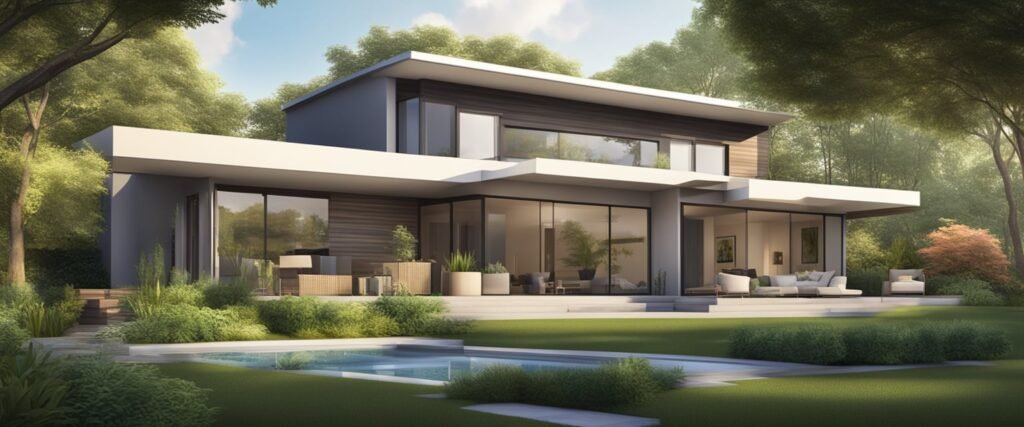
If you want a garden, start planning it alongside the main construction rather than after — soil preparation, irrigation, and plant establishment all take time, and retrofitting a garden into a finished landscape is far more limiting than designing for it from the start.
5. Source Decor That Reflects Your Style
Visit local shops, exhibitions, and online stores for distinctive decor pieces rather than defaulting to whatever’s most convenient — a few genuinely chosen pieces tend to have more visual impact than a room filled with generic items.
6. Design Children’s Rooms for Personality and Growth
Playful wall art, murals, or themed accents make a child’s room feel like their own space. Where possible, choose elements (furniture, larger murals) that can adapt as the child grows, rather than a theme they’ll quickly outgrow.
7. Prioritise Ventilation Throughout
Good cross-ventilation supports better air quality, reduces humidity-related issues, and can meaningfully cut cooling costs. Plan window placement and airflow paths during the design stage — retrofitting ventilation after construction is far more limited and costly.
8. Give the Kitchen Real Planning Attention
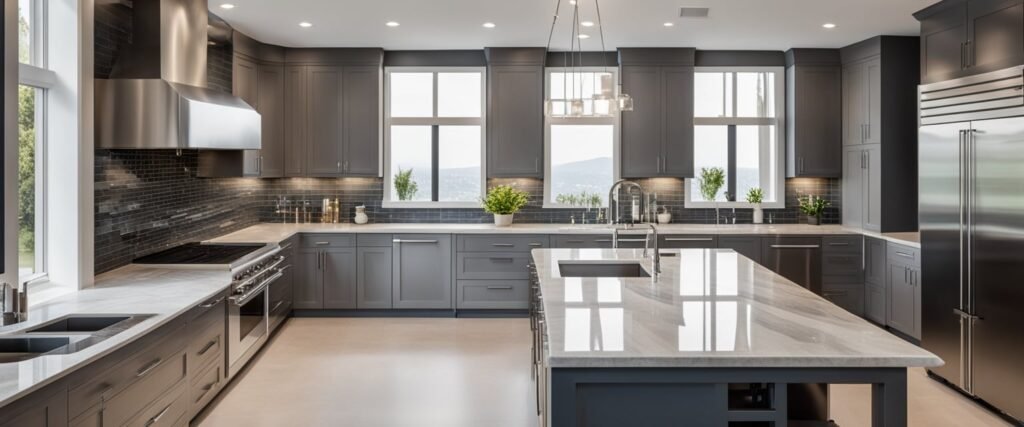
The kitchen is often the most heavily used room in the house, so it deserves real planning attention even in smaller modern layouts. Ensure adequate space and ventilation around heat-generating appliances (refrigerator, oven, microwave), and plan counter and storage layout around how you actually cook, not just how it looks in a catalogue photo.
9. Design the Drawing Room to Make an Impression
- Ceiling detail: POP (Plaster of Paris) work on the ceiling and corners can add elegance without requiring a major structural change.
- Colour choice: Take your time here — get a second opinion from someone with a good design eye before committing.
- Curtains and furniture: Slightly contrasting (rather than exactly matching) tones against the wall colour tend to look more intentional and modern.
- Decor: Fewer, more distinctive pieces generally read as more elegant than a room crowded with items.
- Accent wall: A single wallpapered or textured wall can add character without overwhelming the room.
10. Consider Vastu Principles for Layout
If you’d like to incorporate traditional Vastu guidance into your layout: the main entrance is traditionally oriented east or north-east, the master bedroom in the south-west corner, the kitchen in the south-east (associated with the fire element), and living spaces in the north-east or east to support natural light and social flow. These are traditional design guidelines rather than structural requirements — see our full room-by-room Vastu guide for more detail.
With careful planning, realistic budgeting across every construction stage, and deliberate (not rushed) design choices, building your dream home can be a manageable, genuinely rewarding process rather than a source of stress and regret.
Frequently Asked Questions
-
What are the first steps to take when planning to build a dream home?
Start with thorough research, write out a complete list of your actual needs and preferences, and get feedback on your plan from trusted people before finalising it with an architect.
How should I budget across the construction process?
Budget by stage rather than as one lump sum — foundation and structure typically take the largest share, followed by electrical/plumbing, finishes, and then furniture/decor. Avoid overspending early and leaving too little for finishing stages.
What are some key considerations when choosing colours for a home?
Use complementary colours on adjacent walls, favour lighter tones for exteriors, and always test paint samples on the actual wall in different lighting before committing.
When should I buy decorative accessories for my home?
After all painting and finishing work is complete, so decor choices match the final colour scheme rather than risking mismatched, wasted purchases.
How can I ensure proper ventilation in my home?
Plan window placement and airflow paths during the design stage, especially in the kitchen where heat-generating appliances are concentrated — retrofitting ventilation after construction is far more limited.
What should I prioritise when planning the kitchen?
Adequate space and ventilation around heat-generating appliances, and a layout planned around how you actually cook rather than just visual appeal.
How should I approach designing the drawing room?
Aim for an elegant, uncluttered feel with a few distinctive decor pieces, slightly contrasting curtain/furniture tones, and consider an accent wall or ceiling detail for character.
Why is it important to avoid rushing the construction process?
Structural and layout mistakes are expensive and difficult to fix after construction, so taking time upfront to plan properly avoids costly regrets later.
What are some tips for selecting the right wall colours?
Research shades, look at examples in other homes, test physical samples on your actual walls in different lighting, and get a second opinion before committing.
How can I make a child’s room fun without it being quickly outgrown?
Use playful wall art or murals for personality, but choose furniture and larger design elements that can adapt as the child grows rather than a theme tied to one age group.