
How to Communicate Better in a Relationship: 10 Habits That Reduce Fights

Most couples do not fight about the dishes or the phone; they fight about feeling unheard, disrespected or alone. Better communication does not mean never arguing. It means arguing in a way that keeps respect intact. This guide gives ten habits you can practise this week. It is general advice and not a substitute for counselling, especially where there is any fear or violence.
Key takeaways
- Complain about the behaviour, not the person.
- Contempt such as mockery and eye-rolling is especially damaging, according to Gottman research.
- A planned break is better than saying hurtful things in anger.
- Appreciation, said regularly, protects a relationship.
What are the Four Horsemen of communication?
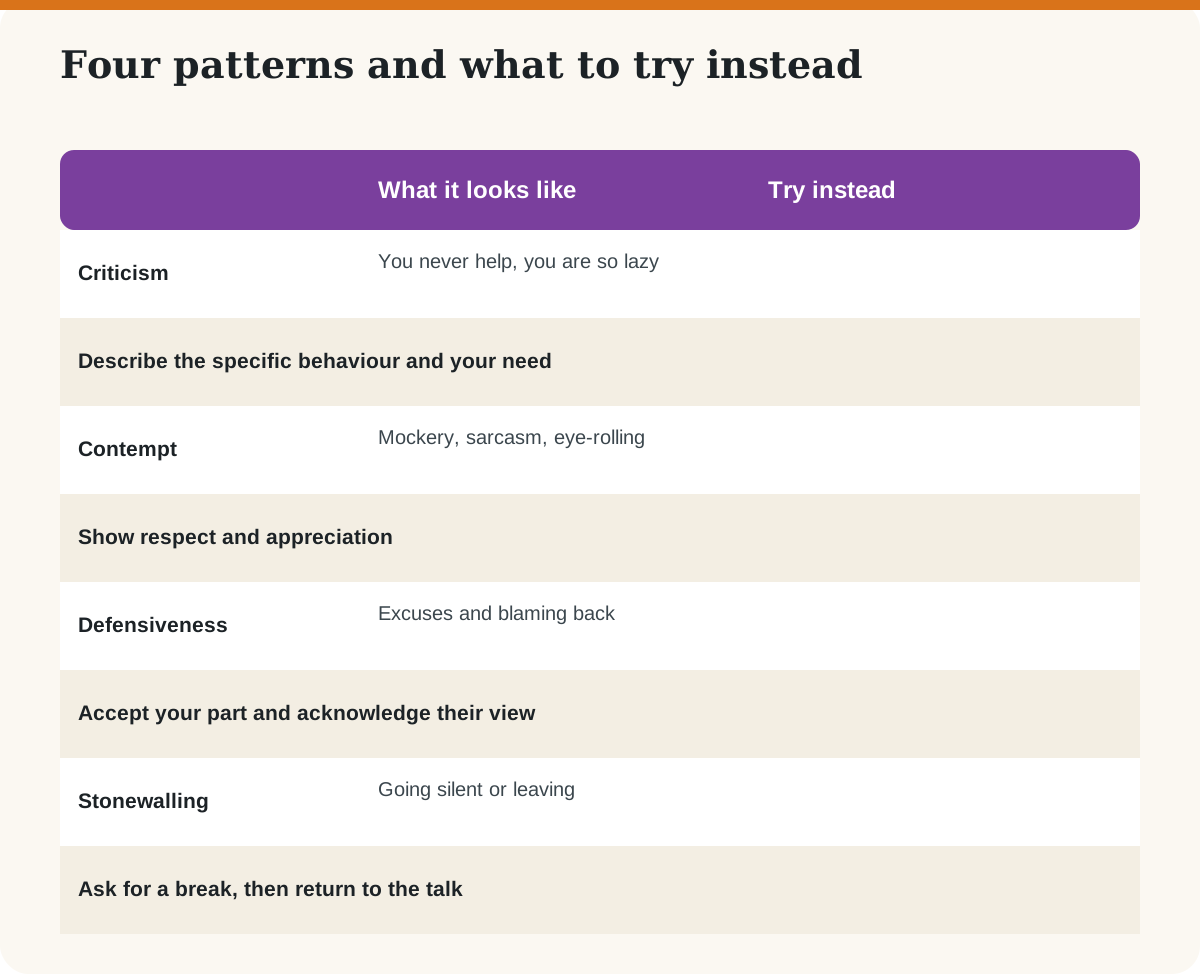
The Gottman Institute describes four negative patterns that predict trouble in relationships: criticism, contempt, defensiveness and stonewalling. Seeing them in your own habits is the first step to changing them.
What are 10 habits for better communication?
- Choose the moment. Avoid raising big issues when one of you is tired, hungry or in a hurry.
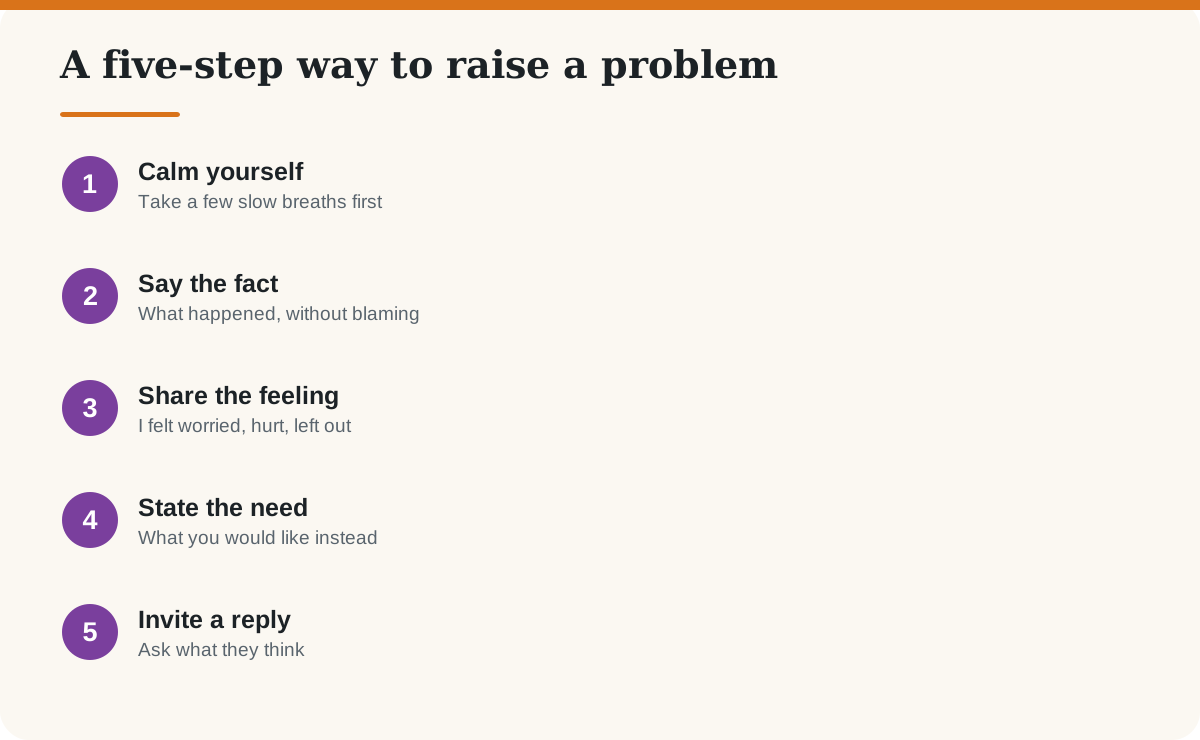
- Start gently. “I felt lonely this week and I would like us to plan time together” works better than “You ignore me”.
- Use “I” statements. Describe your feelings and needs without assigning blame.
- Listen fully. Put the phone down, do not interrupt, and then repeat back what you heard.
- Ask, do not assume. “What did you mean by that?” avoids mind-reading.
- Stay on one topic. Do not bring up every past mistake.
- Take a break when flooded. Say “I need 20 minutes to calm down, and then I will come back.”
- Avoid always and never. They turn a problem into an accusation.
- Appreciate daily. Notice and thank your partner for small things.
- Repair after fights. Apologise sincerely; see how to apologise.
How is communication different in Indian family settings?
Couples in joint families or with strong family involvement may have little privacy and mixed expectations. Agree privately on boundaries, decide which issues are for the couple and which involve family, and avoid criticising each other’s family in anger. Make time for one daily check-in without phones or relatives. For distance and busy schedules, read long-distance relationship tips.
When should you get outside help?
Consider a couples counsellor or therapist when the same fights repeat without progress, when one partner feels constantly criticised or shut out, or when trust has been broken. If a partner’s behaviour makes you afraid, controls what you do or hurts you, that is not a communication problem; see healthy vs unhealthy relationships and call the Women Helpline 181 or the emergency number 112 if you are in danger. For stress and low mood, call Tele-MANAS on 14416.
Frequently asked questions
How can I improve communication with my partner?
Listen without interrupting, use I statements, raise issues about specific behaviour, choose a calm moment, take breaks when upset and show appreciation daily.
What are the Four Horsemen in relationships?
Criticism, contempt, defensiveness and stonewalling: four communication patterns the Gottman Institute links to relationship breakdown.
What should I do when my partner shuts down during arguments?
Avoid pushing. Agree on a break with a time to return, and come back with a softer start. If it is a repeated pattern, a counsellor can help.
How do I stop fighting about the same thing?
Identify the underlying need, such as respect, time or security, and discuss that instead of the surface topic. Agree on one small change each.
Is it normal for couples to argue?
Yes. What matters is how you argue. Respectful disagreement and repair are healthy; contempt and fear are not.
When should we see a couples counsellor?
When fights repeat, trust is damaged or one partner feels unheard or shut out. Do not seek couples counselling as the first step if you feel unsafe; contact a helpline or trusted person.
Sources
Last checked: October 2026. General relationship advice, not a substitute for professional counselling. If you feel unsafe, call 181 (Women Helpline) or 112 (emergency).