
How to Apologise Sincerely: A Step-by-Step Guide (With Examples)

Saying sorry sounds simple, but a weak apology can make things worse. People forgive more easily when they feel understood and when they see real change. This guide breaks a good apology into parts, gives examples for partners, friends and colleagues, and explains what to do when the other person is not ready to forgive.
Key takeaways
- Be specific about what you did. Vague apologies sound insincere.
- Do not make excuses or blame the other person.
- An apology is not a request for instant forgiveness.
- Follow through; changed behaviour is the real apology.
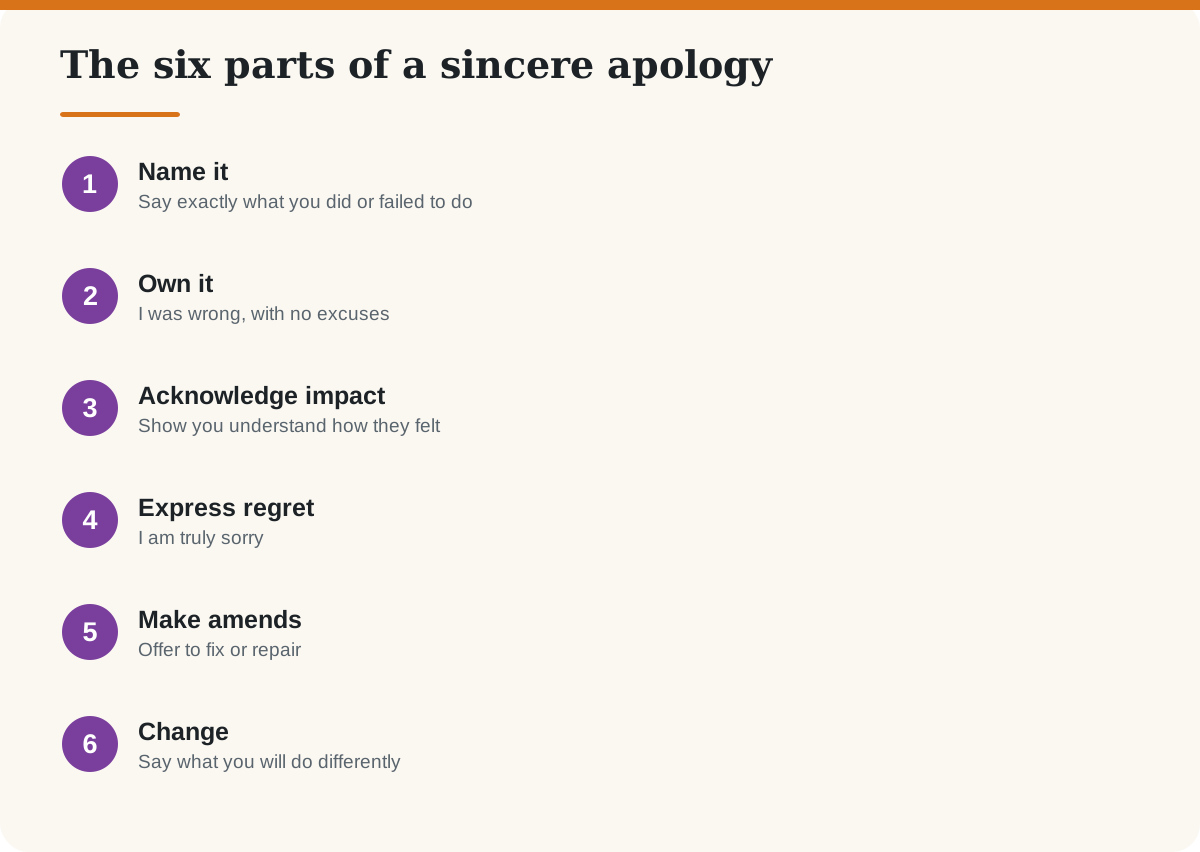
What does a good apology sound like?
“I am sorry I forgot your birthday dinner. I know you had been looking forward to it and I let you down. I should have set a reminder. I would like to take you out this weekend, and I have put reminders on my phone from now on.” This works because it names the action, takes ownership, recognises the feeling, offers a repair and states a change.
How do you apologise in different situations?
| Situation | What to emphasise |
|---|---|
| Partner | Emotional impact and a promise of change. A hug or time together can help once they are ready. |
| Friend | Honesty and valuing the friendship; offer to meet. |
| Colleague or manager | Brief, professional, and a plan to fix the issue. |
| Family elder | Respectful tone and a calm, private conversation. |
| Child | Simple words; owning mistakes teaches them to do the same. |
What if the other person does not forgive you?
You can offer an apology, but you cannot control the response. Give them time, avoid repeating the apology or pressuring them, and show change through your behaviour. If you hurt them badly, trust can take weeks or months to rebuild. If you keep repeating the same harmful behaviour, apologies lose meaning and counselling may help. For better conversations afterwards, read how to communicate better.
What if you are the one waiting for an apology?
Tell the person calmly what hurt and what you need. You do not have to forgive immediately. If someone repeatedly harms or controls you and then apologises, that is a pattern, not a mistake. See healthy vs unhealthy relationship signs and call the Women Helpline 181 or the emergency number 112 if you are afraid for your safety. Small gestures, such as an anniversary gift, never replace real repair.
Frequently asked questions
How do I apologise sincerely?
Name what you did, take responsibility without excuses, acknowledge how the other person felt, say what you will do differently and offer to make it right.
What should I not say in an apology?
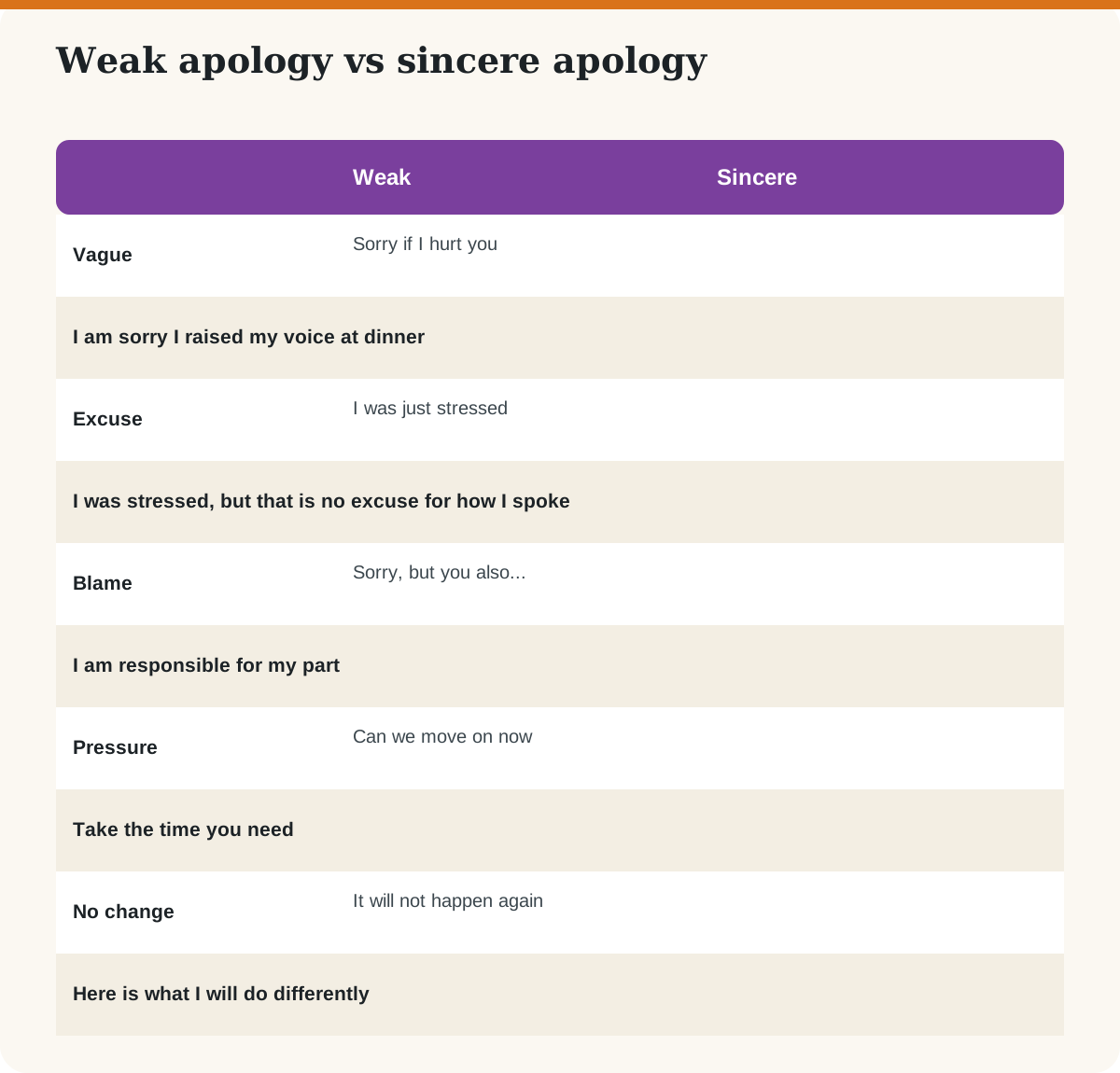
Avoid sorry if you were hurt, but, and phrases that blame the other person or demand forgiveness.
Should I apologise in person, by message or in writing?
In person is usually best for serious matters. A message or letter can work if you cannot meet, or if the person needs time. Keep it sincere and specific.
How long should I wait before apologising?
Apologise once you have calmed down and can take responsibility, but do not delay for days. If the person needs space, say you are ready to talk when they are.
What if I do not think I did anything wrong?
You can still express regret for the impact without false guilt, for example, I am sorry that hurt you, let us talk about it. Do not apologise insincerely.
How do I rebuild trust after hurting someone?
Be consistent, honest and patient. Keep promises, be open about your actions and accept that trust returns slowly.
Last checked: October 2026. General advice, not a substitute for counselling. If you feel unsafe in a relationship, call 181 (Women Helpline) or 112 (emergency).