How to make Idli Dosa Batter (with Tips) | Perfect Idli Dosa Batter Recipe
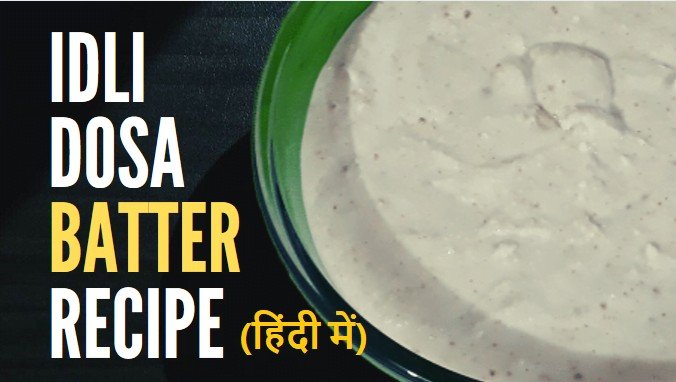
Want to make fluffy idlis and crispy dosas at home? This is a simple, reliable idli dosa batter recipe. The same batter works for idli, dosa, uttapam and appe, so one batch can feed several breakfasts.
Ingredients for Idli Dosa Batter
- 3 bowls rice (idli rice or ukada rice)
- 1 bowl urad dal (white lentils)
- 2 tablespoons fenugreek seeds (methi dana)
- Salt, to taste
Tip: use the same-sized bowl for measuring the rice and the dal so the proportions stay accurate.
Step-by-Step Preparation
Soaking
- Rinse the rice 5-7 times until the water runs clear. Rub the grains with your palm while washing.
- Soak the rice in water for 5-6 hours in a large pot.
- After 2 hours, wash the urad dal and fenugreek seeds 5-6 times, scrubbing gently. Soak them for 4 hours, separately from the rice.
Grinding the batter
- Drain the soaked ingredients. Grind the rice in batches to a slightly coarse texture, adding minimal water as needed.
- Similarly, grind the urad dal and fenugreek mixture to a smooth consistency.
Mixing and fermentation
- Combine the ground dal and rice, add salt to taste, mix well, and let it rest for 30 minutes so air is incorporated.
- Cover the batter and wrap the pot with a warm cloth. Keep it in a warm place for fermentation.
- Ferment for 7-8 hours in warm weather, or 14-15 hours in cold weather.
Your perfect idli dosa batter is ready! Use it to make soft idlis, crispy dosas or uttapams for a homemade South Indian breakfast.
Tips and Troubleshooting
- Use a large container. The batter rises as it ferments, so leave plenty of room.
- Grind with minimal water. A thick batter ferments better, and you can thin it later for dosa.
- Check fermentation by sight. Well-fermented batter looks light, airy and slightly risen, with tiny bubbles.
- If it is not fermenting, move it to a warmer place, or keep it in an oven with only the light on.
- If it is too watery, stir in a little rice flour or semolina (rava) to thicken it.
- Idli versus dosa. The same batter works for both, but thin it slightly for crispy dosa.
- If idlis turn hard, the batter may be under-fermented or too thick. Give it more time in a warm place, thin it with a little water, and avoid over-steaming.
- If dosa sticks, make sure the tawa is properly hot and lightly greased before you spread the batter.
- Storing. Keep the batter in the refrigerator for 3-4 days. Bring it back towards room temperature before using, and fold it gently so you do not knock out the air.
Watch the Idli Dosa Batter Recipe Video
What to Make with Your Batter
Idli Dosa Batter: Frequently Asked Questions
-
How long can I store Idli Dosa Batter?
You can store it in the refrigerator for 3-4 days.
Why is my batter not fermenting properly?
Keep it in a warm place, or place the batter in an oven with the light on to aid fermentation.
Can I make dosa from the same batter used for idlis?
Yes, but for dosa, the batter should be slightly thinner for a crispy texture.
What if my batter is too watery?
Add a little rice flour or semolina (rava) to thicken it.
Can I skip fenugreek seeds in the batter?
Yes, but fenugreek helps in fermentation and gives a better texture.
Why is my dosa sticking to the pan?
Ensure the tawa is properly heated and lightly greased before spreading the batter.
How do I know if the batter is well-fermented?
The batter will look light, airy, and slightly risen with tiny bubbles.
Can I use a blender instead of a wet grinder?
Yes, but a wet grinder gives a smoother batter, which results in softer idlis.
Why do my idlis turn out hard?
The batter may be under-fermented (give it more time in a warm place) or too thick (thin it with a little water). Also avoid over-steaming.
What else can I make with this batter?
You can make uttapam, appe (paniyaram), and even soft dosa pancakes.