
30-Day Content Marketing Plan for Small Businesses (with Calendar)

Most small businesses do not fail at content marketing because of bad ideas. They fail because they publish in bursts and then stop. A calendar fixes that. This plan is built for a team of one to three people with no big budget. Change the topics to suit your business and keep the structure.
What to Decide Before Day 1
- One goal. Pick a single outcome for the month, such as “20 enquiries from the website” or “10 new Google reviews”. A goal you can count keeps you honest.
- One audience. Describe the person you want to help in a sentence: who they are, what they are trying to do, and what is stopping them.
- Three pillars. Choose three themes you can talk about with real expertise. A dentist might choose “children’s dental care”, “treatment costs explained” and “what to expect at a first visit”.
- Two or three channels. Your website blog, your Google Business Profile and one social platform where your customers already are is plenty. Our guide to building a solid digital marketing strategy helps you choose.
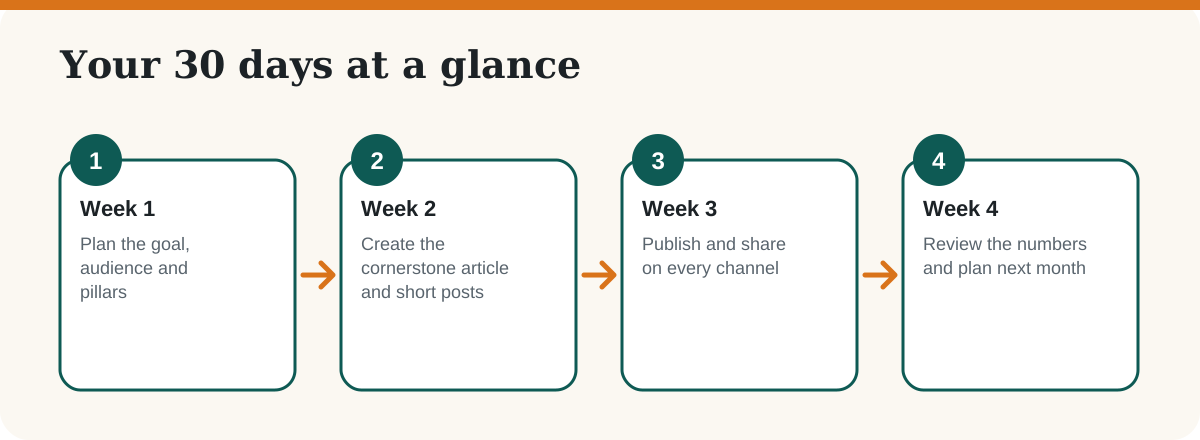
The 30-Day Plan, Week by Week
| Week | Focus | What to do | What you finish with |
|---|---|---|---|
| 1 (Days 1-7) | Plan | Set the goal, write the audience sentence, choose three pillars, list 12 topic ideas from real customer questions, check which pages already exist | A one-page plan and a topic list |
| 2 (Days 8-14) | Create | Write one cornerstone article of 1,200+ words on your best topic, take photos, prepare 6 to 8 short posts taken from it | One finished article and a stack of short posts |
| 3 (Days 15-21) | Publish and share | Publish the article, post short pieces on your chosen channels, add a Google Business Profile update, send it to your email or WhatsApp list | Everything live, with links back to the article |
| 4 (Days 22-30) | Review and repeat | Check results, update the article using questions you received, write a second article on the next topic, plan next month | A short report and a plan for month two |
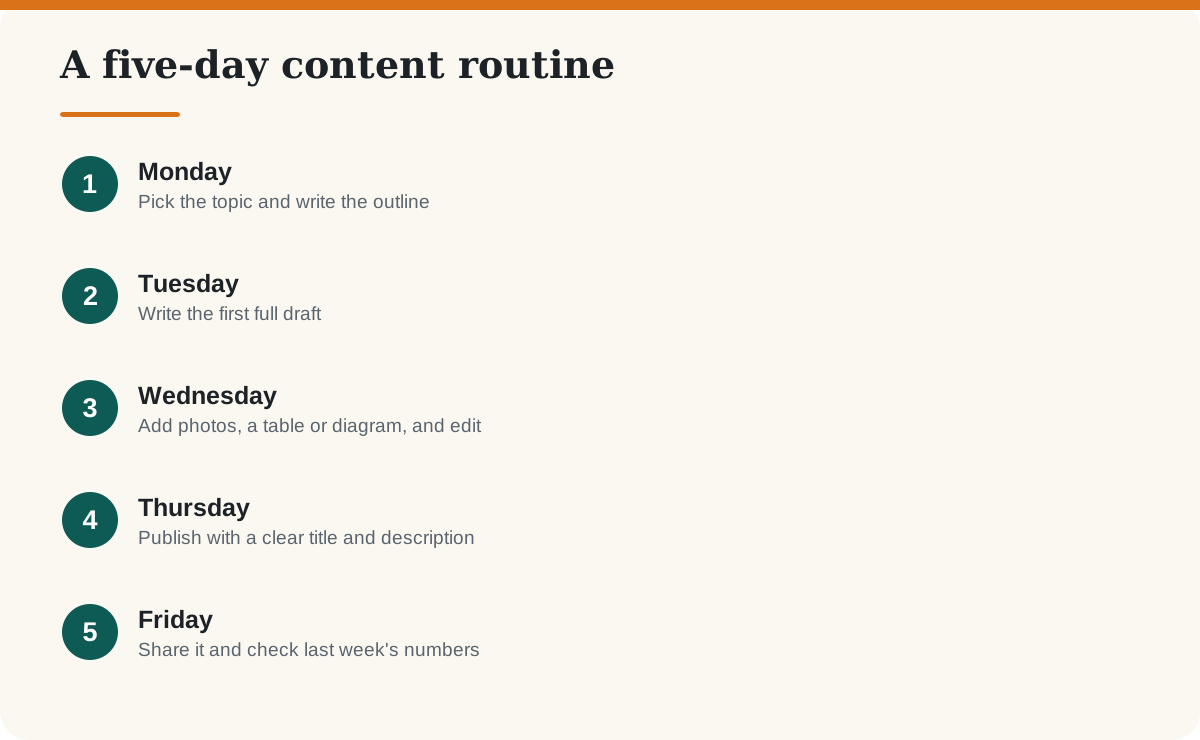
A Weekly Routine You Can Keep
Consistency beats volume. Once the first month is done, use a simple five-day rhythm that takes a few hours a week.
Where to Find Topic Ideas
- Questions customers ask you. Every call, WhatsApp message and review is a topic. Write down the exact words people use.
- Google’s own suggestions. Type your topic into Google and note the “People also ask” questions and the suggestions at the bottom of the page.
- Search Console. If your site is connected, the Performance report shows the searches that already bring people to you. Pages that rank on page two are worth improving first.
- Your own proof. Before-and-after results, simple how-to guides from your daily work and honest comparisons are the content only you can produce.
For help with the search side, see our guides on learning SEO in simple steps and ways to increase website traffic.
How to Turn One Article Into Many Posts
One strong article can feed a whole month. Pull out the one-sentence answer for a short post, turn each section heading into a question for a social post, make a simple checklist graphic from the steps, and record a 60-second video that answers the main question. Link every piece back to the article so that the full answer lives on your own website.
If you use an AI assistant to help with outlines or editing, check every fact and add your own experience before publishing. Our guide to using ChatGPT for marketing explains where it helps and where it does not.
What to Measure at the End of 30 Days
- Enquiries or leads that came from the content: calls, forms, WhatsApp messages and bookings.
- Search Console clicks and impressions for the new pages. Search takes time, so expect early movement in impressions before clicks.
- Engagement on your website, such as how many people read to the end or click to another page.
- Questions you received in response, which become your next topics.
Frequently Asked Questions
-
How often should a small business publish content?
Publish at a pace you can keep for a year. For many small businesses that is one or two quality articles a month plus a few short posts a week. Quality and consistency matter more than volume.
How long before content marketing shows results?
Search results usually take months, not days. You may see impressions grow within weeks, while enquiries from search often build over three to six months or more. Social and WhatsApp sharing can bring faster, smaller results.
Do I need a big budget?
No. Your time, a phone camera, a free analytics set-up and your knowledge of your customers are enough to start. Paid tools can come later.
Which channels should I start with?
Start with your own website, your Google Business Profile if you serve a local area, and one social channel where your customers already spend time.
Can I use AI to write my content?
AI can help with outlines, editing and ideas, but you should check every fact and add your own experience, examples and photos before publishing. Copying unedited AI text rarely helps readers.
What if I miss a week?
Pick up where you left off. A calendar is a guide, not a test. Shorten the next week’s plan if you need to, and keep the routine going.